
 English
 Español
 Français
 Deutsch
 Polski
 Türkçe
 Русский
 简体中文
简体中文


NEXTAS FMS System — Flexible Manufacturing Management Platform
A centralized production management platform for multi-machine coordination, intelligent scheduling, full-process traceability and data visualization — the digital hub from standalone cells to full-line integration
Manage multi-machine production schedules, monitor real-time equipment status, optimize tool life, and deliver complete production traceability—without requiring separate MES, scheduling and automation control systems.
Core capabilities this system delivers
- Real-time production visibility: centralized dashboards show machine status, production progress, equipment health and order tracking.
- Intelligent scheduling and coordination: APS-style scheduling balances load across machines, optimizes tool usage and minimizes idle time.
- Precision-driven operations: tool life management, fixture configuration, and positioning data ensure quality consistency and repeatability.
- AI-powered quality inspection: 2D vision with machine learning for defect detection and post-machining validation.
Jump in by task
Start with architecture overview, then explore functional modules
Use these shortcuts when planning a new FMS implementation, evaluating module capabilities, or determining which features your operation needs first.
Architecture focus
Understand the four-layer system design: display, decision, execution, and industrial communication layers.
Module focus
Explore the 7 core modules and how each handles production planning, machine control, tool and fixture management.
Phasing focus
Many projects start with dashboard and basic monitoring, then add scheduling, tool management and AI vision over time.
Fast engineering handoff
Send machine list and coordination scope first
- Machine count, models, and whether multiple machines share one automation cell or run independently.
- Scheduling complexity: simple batch sequencing or full APS-style load balancing and exception handling.
- Tool and fixture requirements: whether you need proactive life tracking or basic status monitoring.
- Data integration scope: ERP/MES linkage, RFID tracking, or quality data collection from CNC machines.
Scalable system design for production control
The FMS System is built in layers that keep display, decision-making, hardware control and communication protocols independent, so you can scale from single-cell dashboards to multi-line coordination without rework.
Display Layer
Smart dashboards, remote terminals, real-time status monitoring and production visualization for operators and planners.
Decision Layer
APS scheduling, load balancing, path optimization, and exception dispatch — determines what equipment does next and when.
Execution Layer
Equipment integration: overhead crane, AGV, machine tools, storage systems. Receives and executes scheduling commands.
Industrial Communication Layer
OPC UA, Profinet, EtherCAT, Modbus support for equipment connectivity and data exchange with legacy and modern systems.
7 Functional Modules
Each module handles a critical part of production management, from planning through execution, with full integration across the system.
System Dashboard
Centralized view of production progress, process flows, order tracking, and equipment status at a glance.
Production Planning
Auto-receives ERP/MES orders, generates executable schedules per priority rules, and manages queue optimization.
Production Management
Full lifecycle order tracking — completed, in-process, queued, and exception orders with status visibility and history logs.
Machine Management
Real-time machine status, fixture/tool tracking with life warnings, and remote process version control.
Tool Management
Tool life status bound to tool positions, real-time cutting life monitoring, and proactive change scheduling.
Fixture Management
Fixture-to-pallet/datum configuration, positioning and clamping confirmation, repeatability logging (3000+ cycles).
AI Vision Inspection
AI + 2D high-precision cameras with machine learning for post-machining positioning and defect detection.
Equipment OEE Display
Uptime, downtime, load trends and efficiency metrics with time/machine/line drill-down for detailed analysis.
Full-Process Digital Management
End-to-end digital production flow from product setup through MES integration to FMS execution, ensuring data consistency and traceability at every step.
Product setup to execution pipeline
Product Configuration
Machine program, tool list, fixture type, cycle time and quality checkpoints are defined in the system.
ERP/MES Link
Production orders automatically flow from ERP/MES with material, quantity, due date and priority data.
Schedule Generation
FMS automatically generates optimized schedules balancing machine load, tool availability and order priority.
Real-time Execution
Equipment receives dispatch commands with fixture, tool and part data; executes with full status tracking.
Quality & Traceability
AI vision inspection validates parts; results logged with machine, operator, fixture and tool data.
Data Close
Production results, tool consumption and quality data feed back to ERP for reporting and continuous improvement.
FMS Planning Checklist
What to prepare before implementing FMS. Most projects succeed when machine integration, scheduling logic and data scope are clarified upfront.
What to confirm before project start
- Machine integration scope: which machines will be controlled, how many are in the line, and what control protocols they support.
- Data integration paths: ERP/MES connectivity, RFID requirements, tool/fixture data sources and quality data collection.
- Scheduling requirements: simple batch priority or complex load balancing, exception handling rules and re-scheduling frequency.
- Communication protocols: OPC UA, Profinet, EtherCAT, Modbus or other industrial protocols required for equipment connection.
Typical phased implementation approach
Many organizations start small and expand over time:
Phase 1: Visibility
Dashboard and basic machine monitoring, no scheduling.
Phase 2: Scheduling
Add production planning and order sequencing across machines.
Phase 3: Precision
Tool and fixture management with proactive life tracking.
Phase 4: Quality
AI vision inspection and full production traceability.
Frequently Asked Questions
What is the difference between the FMS System and the Automation Series?
Does the FMS System require all automation hardware to be from Nextas?
When should a factory consider FMS instead of standalone automation?
Can the FMS System be phased in?
Related Products
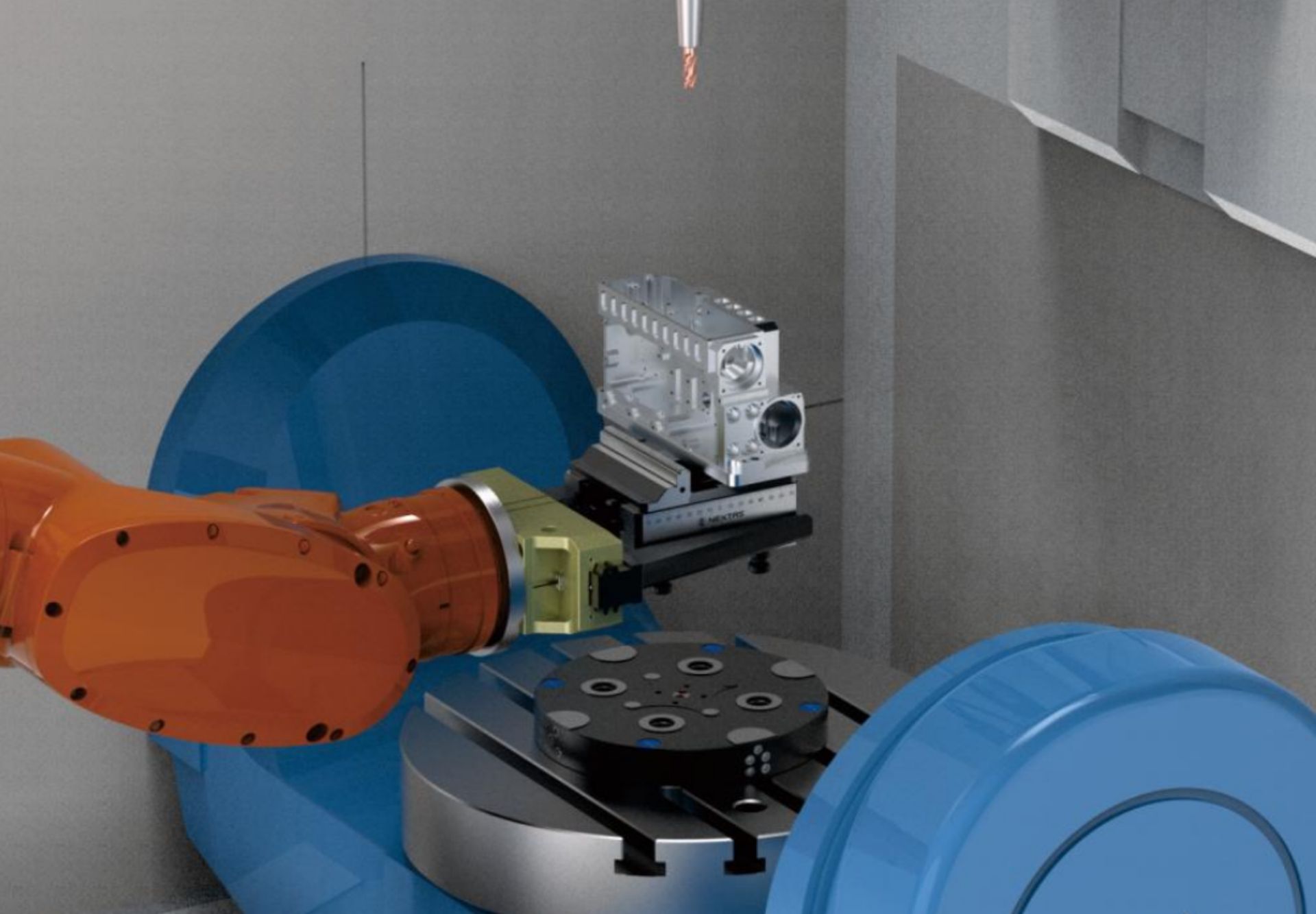
Automation Series
Physical hardware for CNC automation: vault cells, rotary storage, and truss units that work with FMS System control.
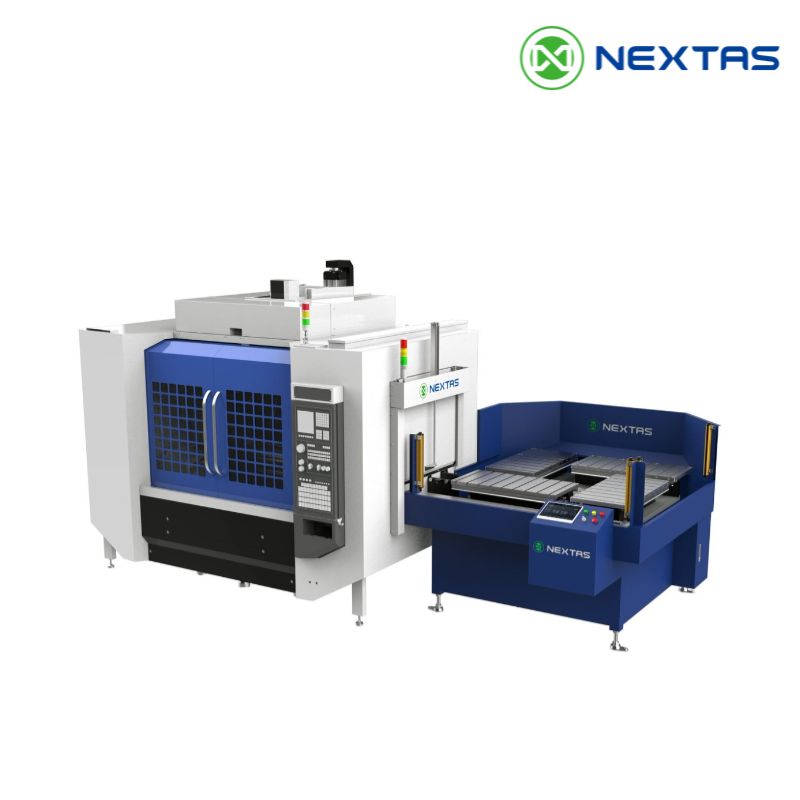
Automatic Pallet Changer
Fast pallet exchange for higher spindle utilization, integrates with FMS System for full production tracking.

Zero-Point Systems
Standardized datum interface that enables offline prep and precise workpiece positioning tracked by FMS.
Plan your FMS implementation with Nextas
Send your machine list, integration scope and scheduling requirements. Our team will help you develop a roadmap for phased FMS deployment that matches your production complexity and budget.