
 English
 Español
 Français
 Deutsch
 Polski
 Türkçe
 Русский
 简体中文
简体中文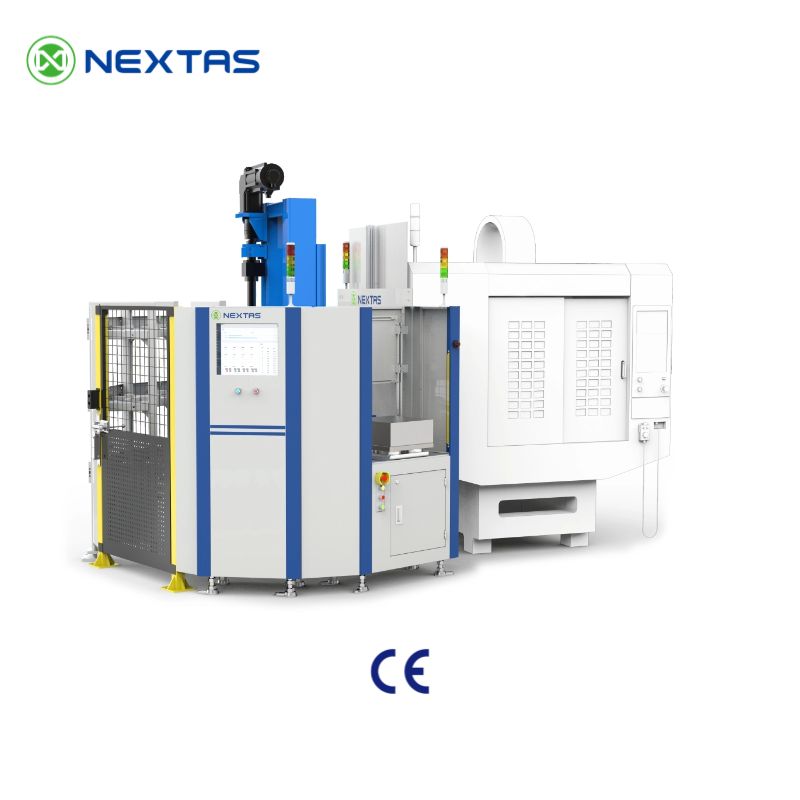
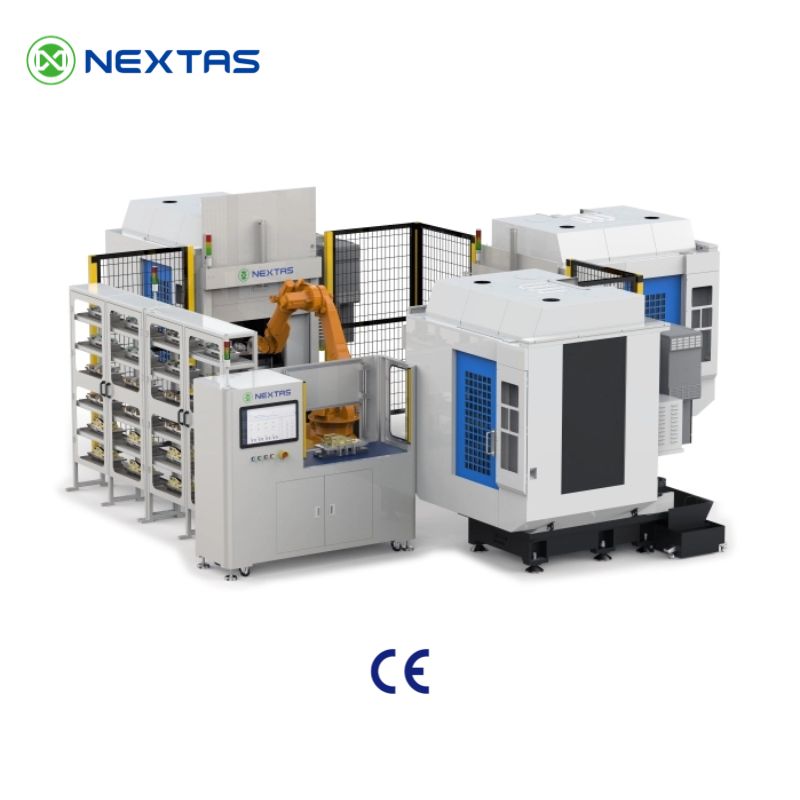
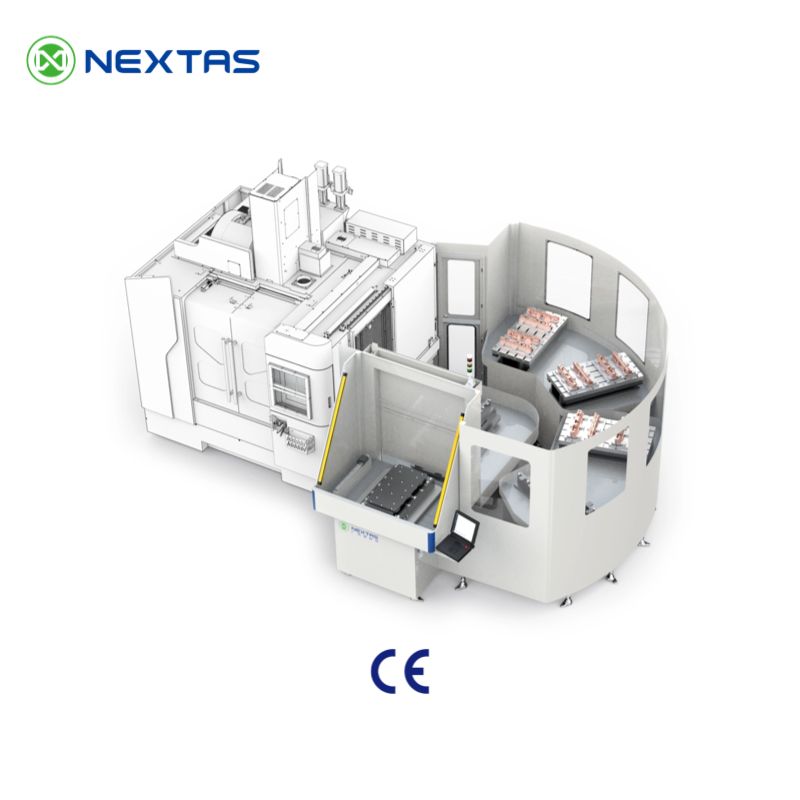
CNC Automation Systems for Pallet Loading, Rotary Storage & FMS Cells
Vault, rotary warehouse, truss and FMS-ready layouts for factories moving from manual loading to scalable pallet automation
Plan pallet loading, storage and FMS expansion around your actual machine mix, floor space, pallet logic and unattended-hours target—from a compact first cell to broader factory coordination.
Core challenges this series addresses
- Reduce waiting between jobs: move preparation, buffering and part handling away from the spindle.
- Standardize mixed production: unify pallet, fixture and data flow for frequent model changes.
- Create an upgrade path: start with a compact automation unit, then extend to AGV, warehouse or FMS logic.
Jump in by task
Start with layout fit, then confirm pallet and software scope
Use these shortcuts when the current discussion is about the first automation phase, the best storage format, or what production data needs to be standardized before expansion.
Layout focus
Choose vault, rotary, truss, or FMS planning based on machine count, available floor space, and how dense the pallet buffer must be.
Datum focus
Confirm whether BDS, zero-point, or a mixed pallet standard will keep manual and automated stations aligned as the cell grows.
Data focus
Clarify if phase one needs stand-alone control, dashboards, or a broader MES / APS / WMS link before you commit to the layout.
Fast engineering handoff
Send machine mix and unattended-hours target first
- Machine models, door limits, and whether one loader serves multiple machines.
- Pallet size, weight range, and expected buffer quantity.
- Preferred storage route: vault, rotary, truss, AGV, or broader FMS planning.
- Need for dashboard visibility only, or deeper MES / APS / WMS linkage.
Which automation route fits your factory first?
Compare the practical starting points below to decide whether phase one should be a compact loading cell, a dense pallet buffer, a wider transfer span, or a broader FMS planning discussion.
Choose vault automation when
You want a compact first step, one or two machines, offline pallet preparation, and a cleaner path away from manual loading.
Choose rotary warehouse when
You need more pallet positions in limited floor space and want dense buffering for mixed jobs without a large line layout.
Choose truss automation when
You need a longer transfer span, top access, or a cleaner way to coordinate loading across multiple machines in one area.
Start FMS planning when
Machine count, scheduling pressure, pallet tracking, and MES / WMS coordination are already becoming the bottleneck instead of pure loading speed.
What to send before we recommend an automation layout
Machine model, quantity, spindle type, and whether the first target is one machine, one-to-two, or one-to-three coordination.
Typical workpiece size, pallet size, weight, changeover frequency, and whether fixtures are already standardized.
Lights-out duration, operator reduction goal, buffer quantity, and whether robot handling, storage, or AGV connection is expected.
Tell us whether MES, APS, WMS, RFID, traceability, or dashboard reporting should be included from phase one.
Catalogue automation formats
These catalogue formats cover first-cell automation through line-level coordination, helping you shortlist the right architecture before robot brand, storage density and software scope are finalized.
Vault Automation Unit
Compact robot arm for first-cell automation: fits tight shops where manual loading is the bottleneck.
- Fits where space is tight: compact arms replace manual loading with less footprint
- Works best when pallet and datum are already standardized across machines
- Typical first step before adding storage or expanding to multiple machines
Rotary Warehouse Automation Unit
Rotary pallet storage: 180 positions fit mixed batches where floor space is limited.
- Infrared / RFID sensors prevent collisions between loader and rotary during pickup cycles
- Handles mixed part families: up to 180 different part setups wait on pallets without manual restaging
- Right when pallet positions are the constraint, not robot speed alone
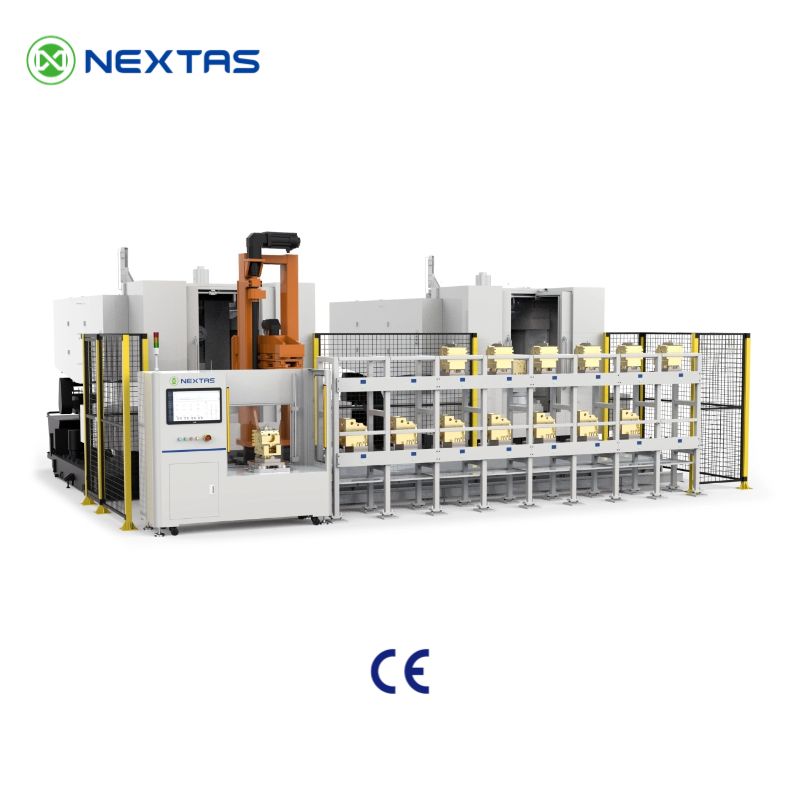
Truss Automation Unit
Overhead gantry for longer spans or machine rows: keeps loading movement clear of spindle areas.
- Handles longer transfer distances: 24-hour rotary feeder + servo drive runs continuously
- Overhead clearance: loader doesn't interfere with machine access for setup or maintenance
- Scales from one machine to line-level coordination when scheduling rules are standardized
Cellular Automation
Multi-variant cell with common tooling: one robot arm handles several part families without changeover if datum is standardized.
- Fits small batches: mechanical loading cuts spindle idle between job changeovers
- Low setup complexity: same robot handles different parts if fixtures share a common interface
- Path to expansion: one cell proven, you can add a second arm, add pallet storage, or layer in scheduling later
FMS Flexible Automation Solutions
The catalogue frames FMS as coordinated automation built on execution, scheduling and factory-data layers rather than robot hardware alone.
Robot control, machine modules, warehouse modules and coordinated loading routes.
APS-style planning, exception handling and load balancing across machines and pallets.
MES / ERP / WMS connection for traceability, material flow and real-time production visibility.
| Automation format | Best starting point | What buyers should verify first |
|---|---|---|
| Vault unit | First compact automation cell | Machine model, floor space, pallet / datum standard and unattended target |
| Rotary warehouse unit | Higher storage density with mixed parts | Shelf positions, anti-error logic, part family mix and handling sequence |
| Truss unit | Larger equipment span or machine row | Transfer path, safety envelope, access for maintenance and fixture handoff |
| Cellular automation | Small-batch, multi-variant production | Changeover frequency, offline prep strategy and common fixture interfaces |
| FMS solution | Multi-machine coordination and data visibility | MES / APS / WMS scope, pallet library rules and exception handling logic |
Catalogue hardware reference
These brochure parameters help buyers understand the practical hardware envelope before discussing robot brand, software, or line-level coordination.
| Reference format | Catalogue hardware notes | What buyers should infer |
|---|---|---|
| Vault automation unit | 6-axis manipulator, optional brand, max load 20 kg, working radius 1500 mm, two-position jaws, ±0.02 mm repeatability, workpiece up to 15 kg and <200 mm. | Right for compact carriers and one-to-two machine loading: typical first automation phase without major floor plan changes. |
| Vault shelf logic | Intelligent shelves up to 45 positions with infrared / RFID anti-error devices and magnetic-lock silo doors. | Choose when collision detection and part traceability are needed early, or floor space limits bigger storage units. |
| Rotary warehouse unit | Intelligent shelves up to 180 positions with infrared / RFID anti-error devices and magnetic-lock doors. | Choose when 180 pallet positions fit the job mix better than a single robot arm alone. |
| Truss automation unit | Highlights 24H turntable feeding, servo + precision gearbox drive, and PLC + touchscreen control. | For longer transfer distances or multiple machines in one area: overhead clearance replaces floor clutter and scales to line-level control. |
From standalone cell to FMS-ready coordination
The brochure positions the automation series as more than a loader. It combines presentation dashboards, intelligent scheduling, equipment collaboration and industrial communication planning so that cell data can move into MES, reporting and traceability workflows.
Four planning layers
- Presentation layer: digital twin dashboard, mobile dashboard and report center.
- Decision layer: APS scheduling, load balancing, path optimization and exception handling.
- Execution layer: robot control, AGV dispatch, machining module and warehouse module.
- Industrial layer: OPC UA, Profinet, EtherCAT and Modbus for integration planning.
Capabilities commonly requested in projects
Integrated scheduling: schedules load across machines as job mixes change, keeping machines fed without operator intervention.
Traceability: track parts, fixtures, and tool life against specific warehouse positions and work orders.
Lights-out operation: buffered pallets and coordinated material flow let machines run unattended during off-shifts without manual intervention.
Scalable architecture: start from one machine or one cell, then expand to host computer control, central warehouse or AGV logic.
Deployment path by project stage
The most reliable automation projects define the rollout path and standardize datum, pallets and scheduling rules at the same time, so later expansion does not force a second rebuild.
Single-cell quick win
Best when the first objective is more spindle uptime on one critical machine without rebuilding the whole workshop.
Standardize first: zero-point interface, pallet size and the target unattended hours.
One-to-two loading unit
A practical next step when two machines can share one loading resource and part families are still manageable.
Standardize first: fixture orientation, pickup logic and offline loading sequence.
One-to-three mixed cell
Better when three machines must share pallet logic while keeping different parts, programs and takt assumptions under control.
Standardize first: pallet family rules, scheduling priority and exception handling.
FMS line-level coordination
Choose this route when warehouse control, machine loading, inspection flow and production data all need to run on one coordinated platform.
Standardize first: data ownership, traceability checkpoints and material-flow rules.
What to prepare before discussing an automation project
- Machine model, controller brand and current loading method
- Part size range, single-part weight and pallet / fixture strategy
- Target shift pattern, unattended hours and required takt stability
- MES, ERP, tool management or traceability integration needs
- Available floor space, safety boundary and buffer / warehouse requirements
- Expected ROI direction: labor reduction, uptime gain, capacity increase or traceability
- Preferred first phase: compact cell, pallet flow, robot handling or full FMS roadmap
- Existing datum or zero-point standard already used on the shop floor
Project intake
Send your automation brief directly
For automation projects, the fastest next step is usually a short project brief instead of a generic contact request. Share your machine list, part range and target unattended hours, and we can review whether the best fit is a compact cell, pallet flow, robot loading or a broader FMS plan.
- Machine model / controller brand
- Part size, weight and family mix
- Shift pattern and unattended hours target
- Datum, pallet or fixture standard in use
Request automation planning
This form sends the page context together with your request, so the team can identify the Automation Series inquiry immediately.
Planning checklist before you scale automation
Before a cell goes live, the most valuable work is usually standardization: datum logic, pallet route, machine availability and data scope. That is what turns an automation idea into a project that can actually expand.
What to confirm before project launch
- Machine + payload window: real workpiece weight, pallet size, machine door limits and whether one loader must serve several machines.
- Datum interface: whether to use compact BDS pallets, larger zero-point modules or a mixed standard between manual and automated stations.
- Storage logic: vault, rotary warehouse, truss path or line-side buffers depending on floor space and part-family mix.
- Data scope: dashboard-only visibility, or a broader MES / APS / WMS connection for scheduling, material flow and traceability.
Recommended system combinations
The most reliable upgrades combine the right automation format with the right datum and pallet strategy, not just robot hardware.
Compact automation cell
Vault automation + BDS positioning datum when the target is a compact transfer interface, stable pickup points and faster changeover on smaller carriers.
Machine-group standardization
Automatic pallet changer + zero-point systems when one or more machines need repeatable offline preparation and higher spindle utilization.
FMS preparation path
Shared datum standard + pallet library + APS / MES / WMS logic when the real objective is multi-machine coordination and traceable lights-out production.
Frequently Asked Questions
Is the Automation Series only for large factories?
Does it have to use robots from one specific brand?
What is the best first step if my shop is still manual?
Automation Unit Models
Three core automation unit models cover different production scales — from compact single-cell loading to heavy-duty multi-machine flexible manufacturing.
NTS-V4 Automated Unit
Ideal for high-mix, low-volume production. Compact single-machine or 1-to-2 cell with intelligent storage up to 45 positions.
| Robot Payload | 120 kg (6-axis) |
| Transfer Speed | 2,600 mm/s |
| Repeat Accuracy | ±0.02 mm |
| Storage Positions | Up to 45 (infrared/RFID) |
| Compatible CNC | Mitsubishi, FANUC, Brother, KND |
NTS-V12 Automation Unit
Heavy-duty flexible manufacturing solution. High-payload robot for large workpieces with extended storage capacity.
| Robot Payload | 600 kg (high-load) |
| Transfer Speed | 3,600 mm/s |
| Repeat Accuracy | ≤0.02 mm |
| Pallet Model | MFS-P1200V |
| Compatible CNC | Mitsubishi, FANUC, Brother, KND |
NTS-VS2 Automation Unit
Ultimate batch-customized manufacturing solution with vertical storage and intelligent scheduling for mass customization.
| Robot Payload | 130 kg (6-axis) |
| Transfer Speed | 3,600 mm/s |
| Repeat Accuracy | ≤0.02 mm |
| Pallet Model | MFS-P1200V |
| Compatible CNC | Mitsubishi, FANUC, Brother, KND |
Application Cases
Four real-world configurations covering 1-to-2 through 1-to-12 machine layouts, showing how automation scales with production requirements.
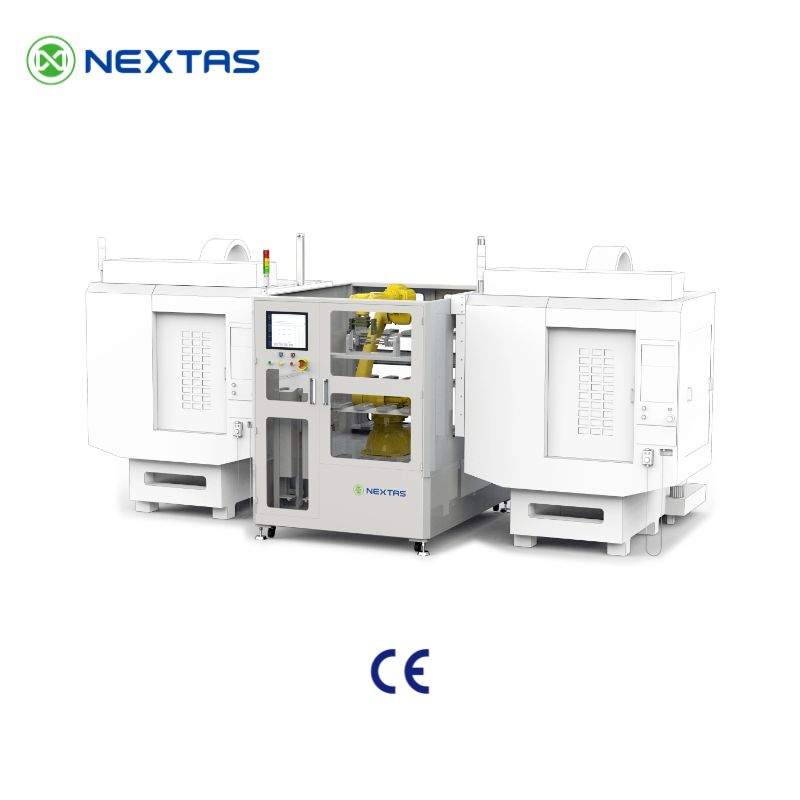
Case 1: 1-to-2 Automated Loading Cell
Two CNC machines sharing one 6-axis robot (≤120 kg) with intelligent storage rack (24-grid door-lock modules). Includes production scheduling, dispatch and inventory software.
Key benefits: Compact island layout, full-process traceability, flexible high-mix scheduling, reduced wait times and improved OEE.
Case 2: 1-to-3 Automated Loading Cell
Three CNC machining centers with robot loading and smart storage. Same 6-axis robot platform scaled to serve more machines with coordinated scheduling.
Key benefits: Optimized layout for shortest transfer path, automated data management, flexible multi-variety production.
Case 3: Flexible Manufacturing Production Line
Multiple machining center types (16–24 machines) connected via high-payload robots (≤1,500 kg), vertical storage and truss transfer systems with MES/APS integration.
Key benefits: Modular island-style configuration, intelligent human-machine collaboration, fully flexible automated production, significant capacity increase.
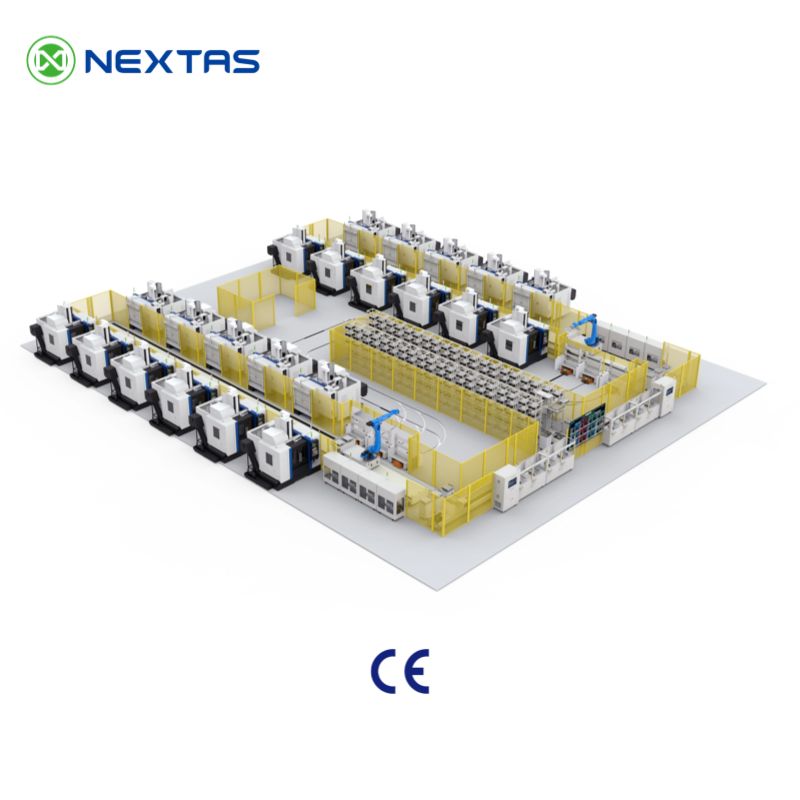
Case 4: 1-to-7 / 1-to-12 Intelligent Flexible Line
Large-scale multi-machine line with truss rail transfer, AGV logistics, material loop conveyors, central tool magazines and FMS control system for 24/7 unattended production.
Key benefits: Full FMS integration, intelligent scheduling with auto-rescheduling, flexible automation, 7×24 unattended operation.
Related Products
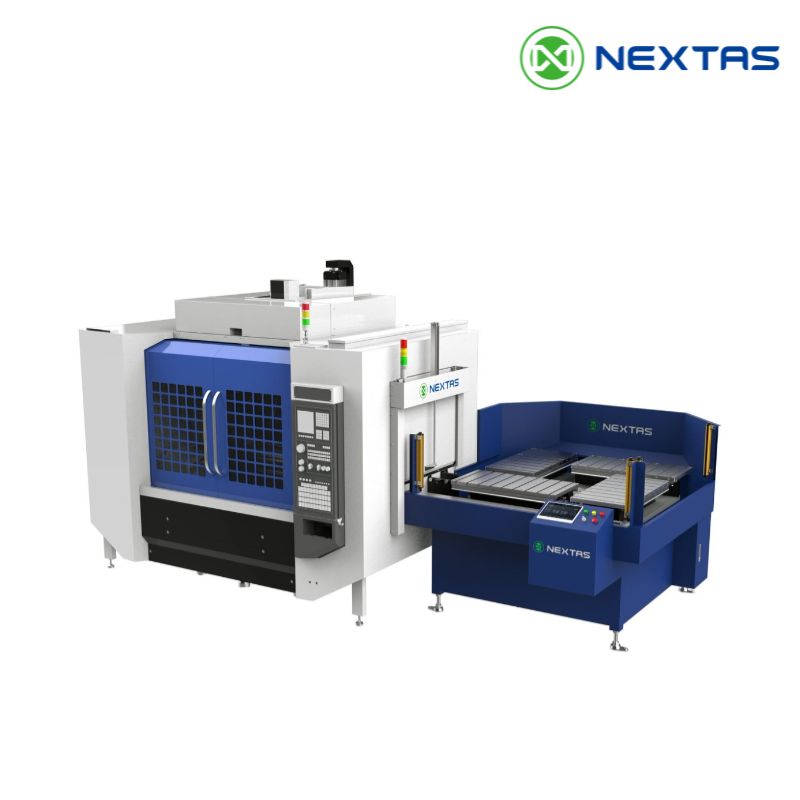
Automatic Pallet Changer
Use it when the first automation target is faster pallet exchange and more spindle uptime.

Zero-Point Systems
A strong foundation for standardized datum transfer between manual and automated stations.
BDS Positioning Datum
A compact datum interface for automated pallets, fixture carriers and quick transfer-ready setups.
NEXTAS FMS System
Comprehensive flexible manufacturing system for coordinating multiple machine centers, storage and material handling.
Plan your automation layout with Nextas
Send your machine list, current setup method and target output. We can help you evaluate whether the best first step is a compact automation unit, a pallet concept or a broader FMS roadmap.