
 English
 Español
 Français
 Deutsch
 Polski
 Türkçe
 Русский
 简体中文
简体中文Start here
Compare by setup goal
Use the filters below to jump straight into zero-point systems, workholding, or automation topics.
Practical guides, case studies, and machining notes for engineers comparing workholding, changeover strategy, and automation options.
Start here
Use the filters below to jump straight into zero-point systems, workholding, or automation topics.
Most practical
These pages are built to help engineers shortlist a workable path, not just browse product news.
Need a faster answer?
When you already know the machine, part, and bottleneck, go straight to contact and share the project details.
Start with these
These articles answer the questions buyers and engineers usually ask first when they are still choosing a workholding direction.
Workholding selection
A practical comparison for shops deciding how to balance access, rigidity, and changeover speed.
Open guide →Zero-point planning
A focused read for teams standardizing the machine table without locking themselves into one vise size.
Open guide →Automation route
Useful for factories comparing a single quick win against a broader multi-machine automation roadmap.
Open guide →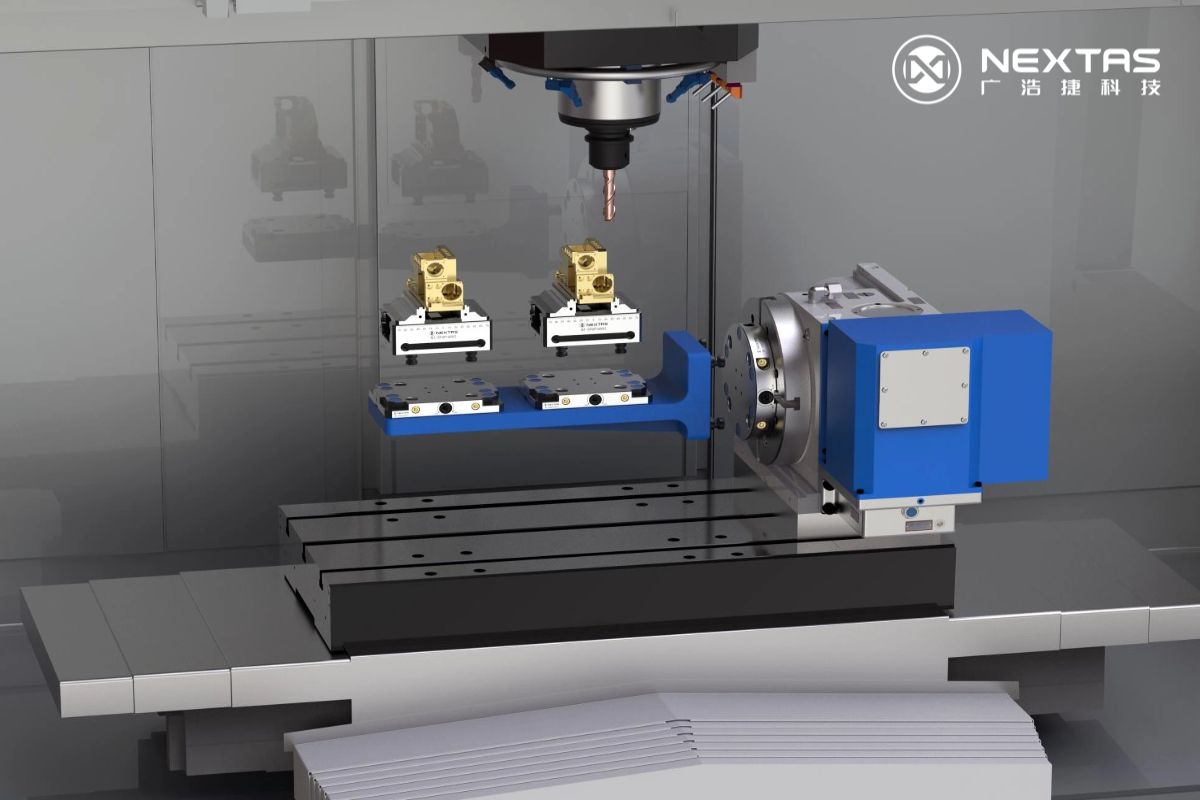
Compare manual, pneumatic, and hydraulic fixtures for CNC machining. Learn clamping force, automation readiness, cost, and which fixture type fits your shop.
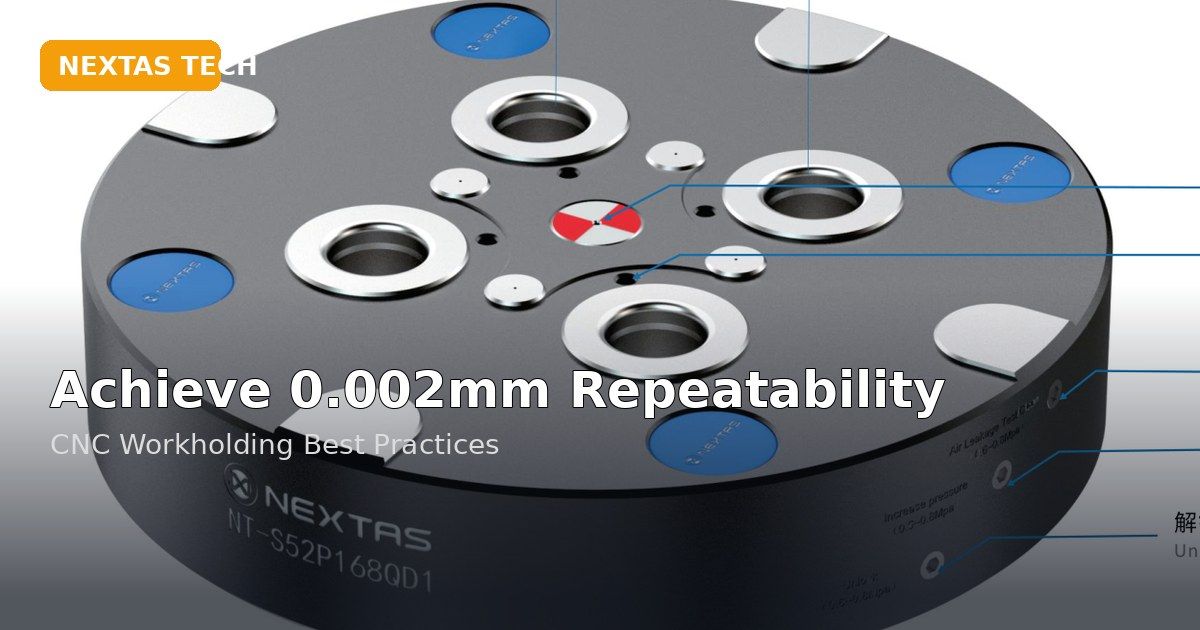
A practical guide to reaching sub-5-micron workholding repeatability through datum design, surface preparation, thermal discipline, clamping strategy, and CMM verification.

Complete guide to extending self-centering vise lifespan through backlash adjustment, thrust bearing maintenance, centerline calibration, and intelligent lubrication for CNC precision.
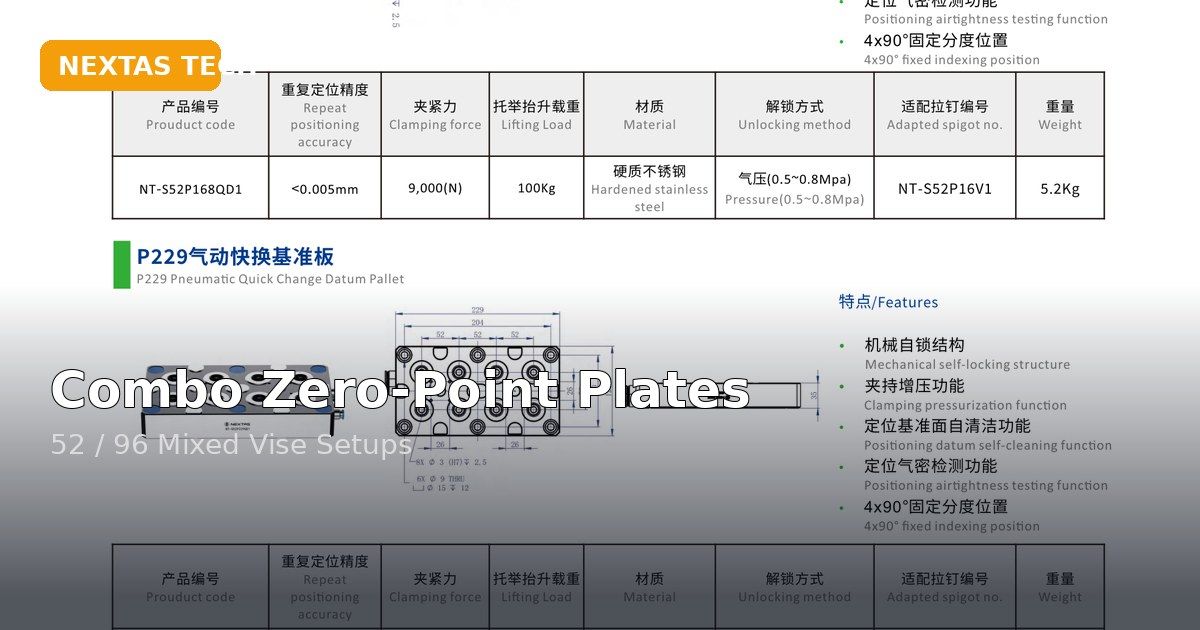
A practical guide to 52 mm + 96 mm combo zero-point plates for shops running mixed vise sizes and flexible CNC changeovers.

A practical comparison guide for choosing a dovetail fixture, self-centering vise, or zero-point system based on part geometry, setup frequency, and automation needs.

The umbrella selection guide for comparing repeatability, pull-down force, chip protection, and verification steps before choosing a zero-point system.
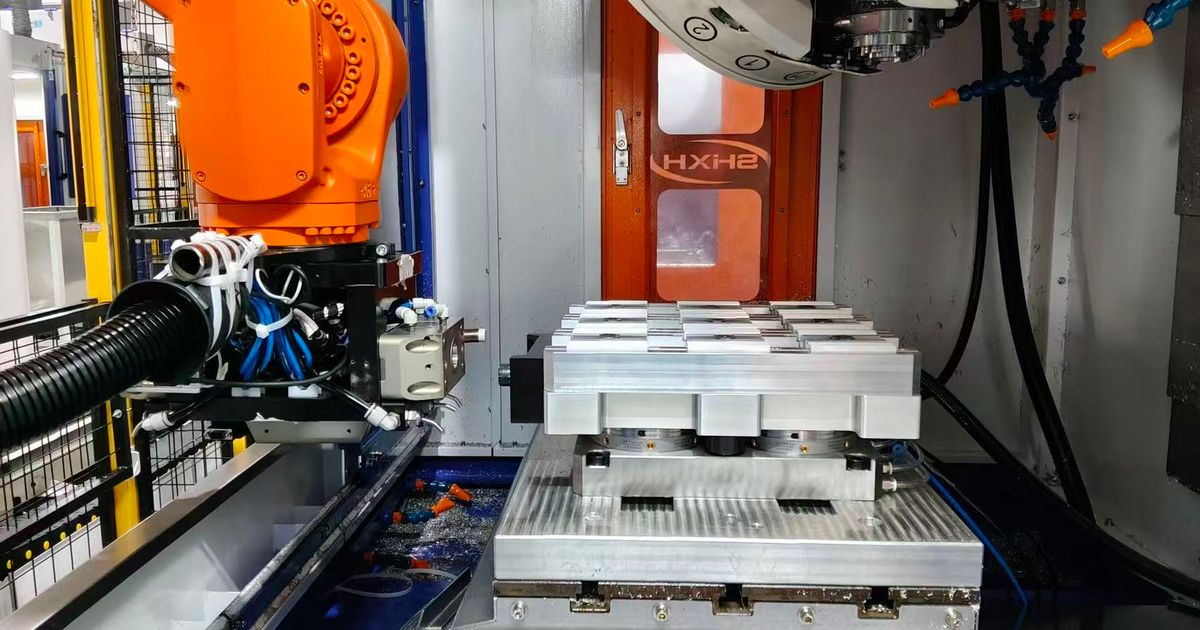
A real-world semiconductor communication case study: 30-second changeovers, ≤0.003mm repeatability, fail-safe self-locking, and FMS-ready automation.
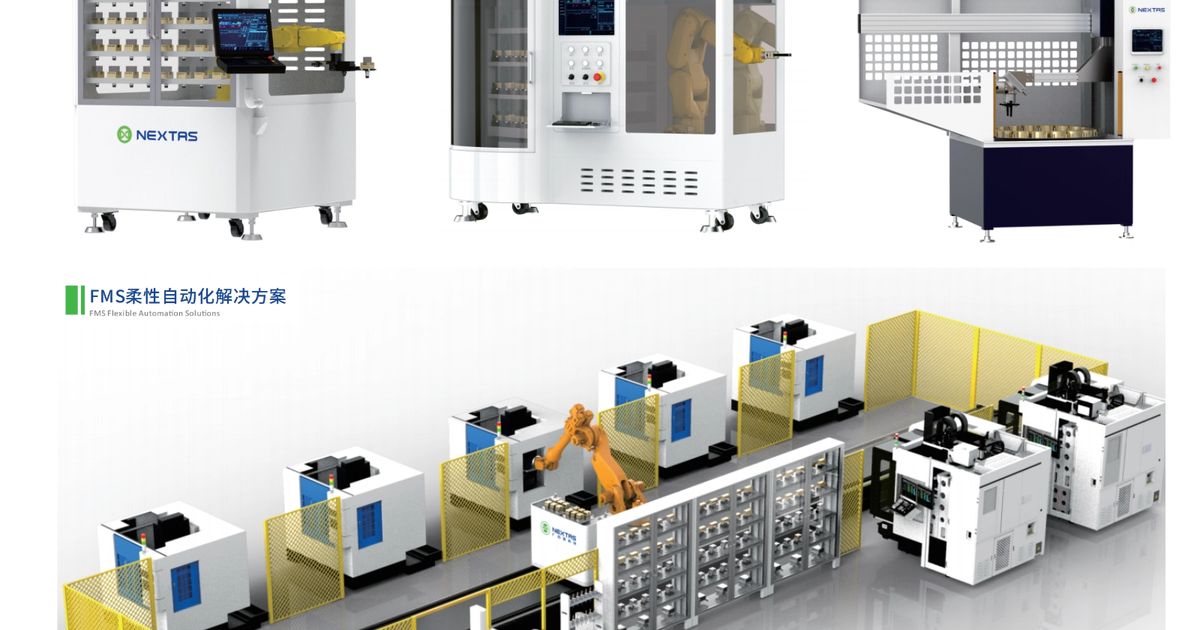
A modular automation system (gantry/rotary library/truss) built for precision, compatibility, and true 24/7 lights-out machining.
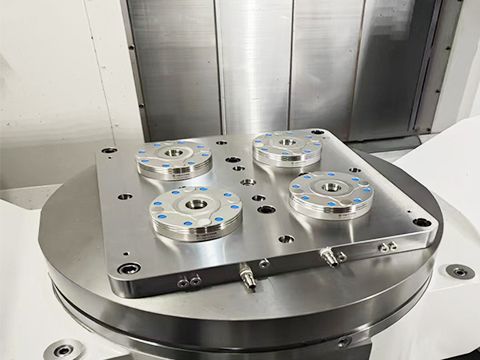
How a four-position zero-point plate reduces idle time, supports modular fixture transfer, and speeds multi-part CNC changeovers.

A practical guide to pneumatic vise setup, pressure control, jaw strategy, automation integration, and maintenance for stable machining output.
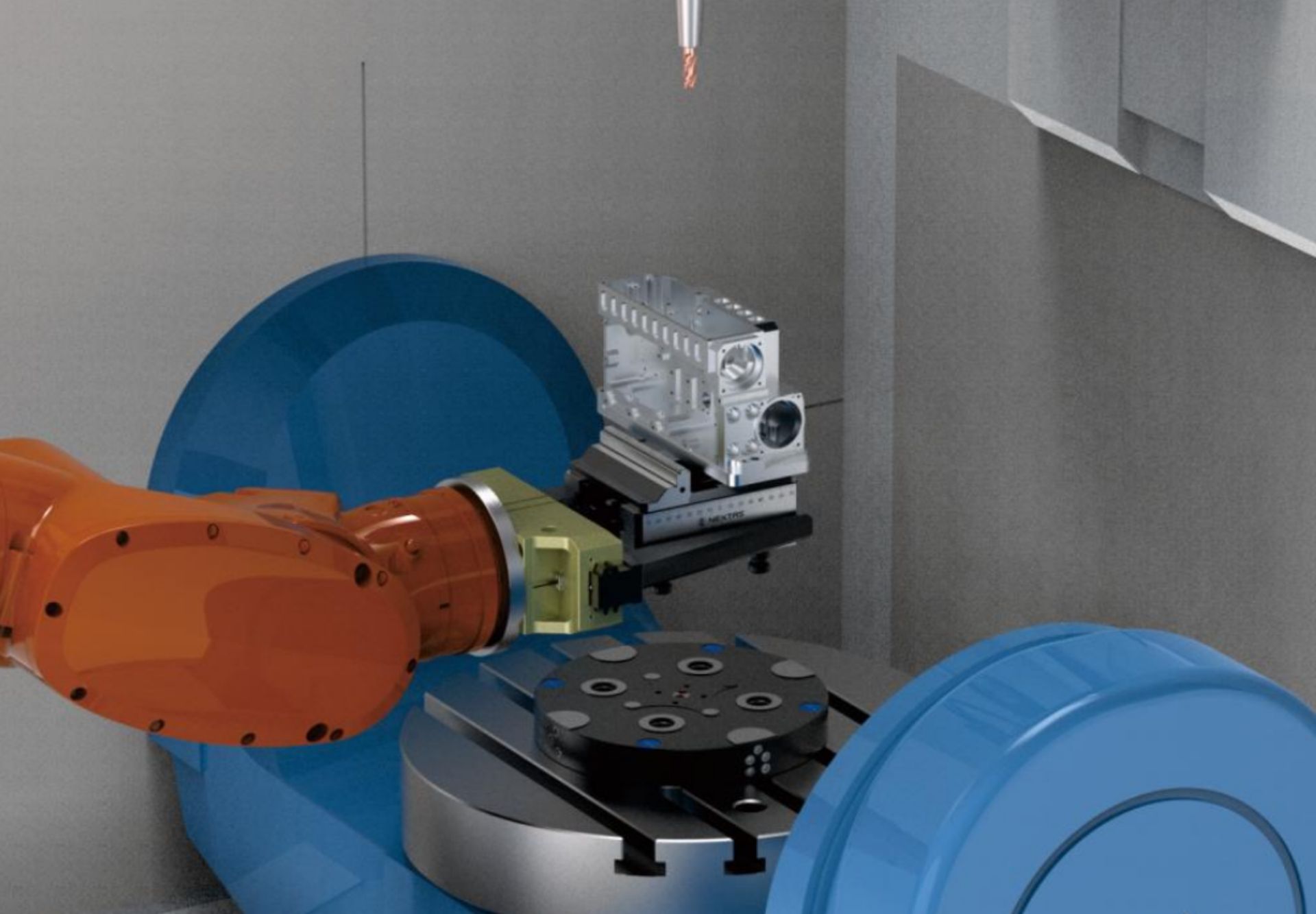
Discover Nextas FMS, a fully integrated Flexible Manufacturing System. Learn how our proprietary software, zero-point clamping, and turnkey implementation reduce downtime and boost productivity.

Nextas Custom-Made Pneumatic Fixtures are engineered for your specific workpiece. Featuring 25,000N clamping force, ± 0.002 mm accuracy, and automation compatibility.
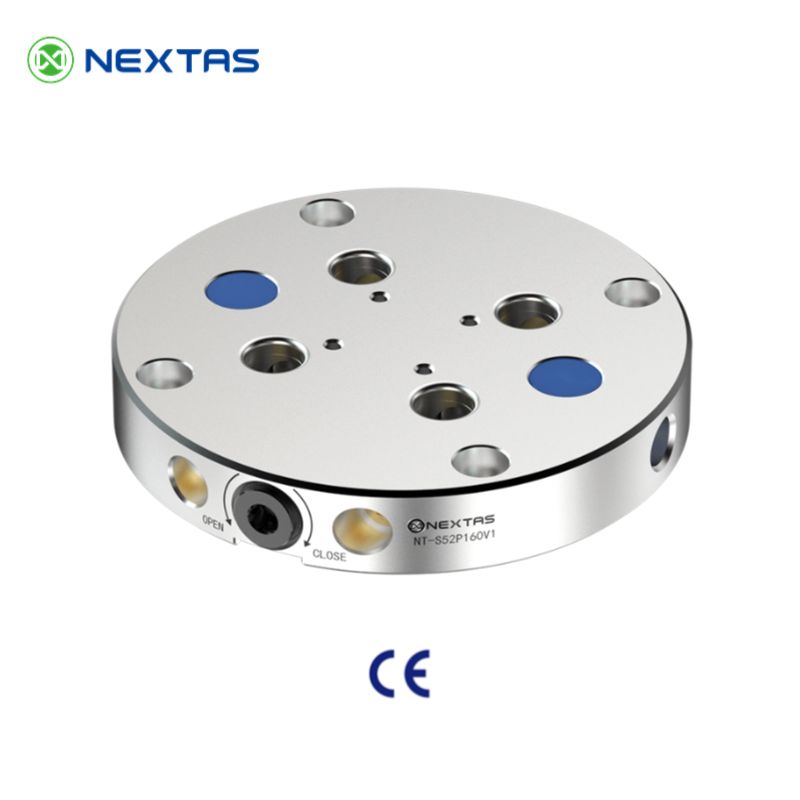
How one standardized zero-point plate helps job shops reuse vises, pallets, and custom fixtures across mixed CNC work with faster setup and cleaner fixture management.
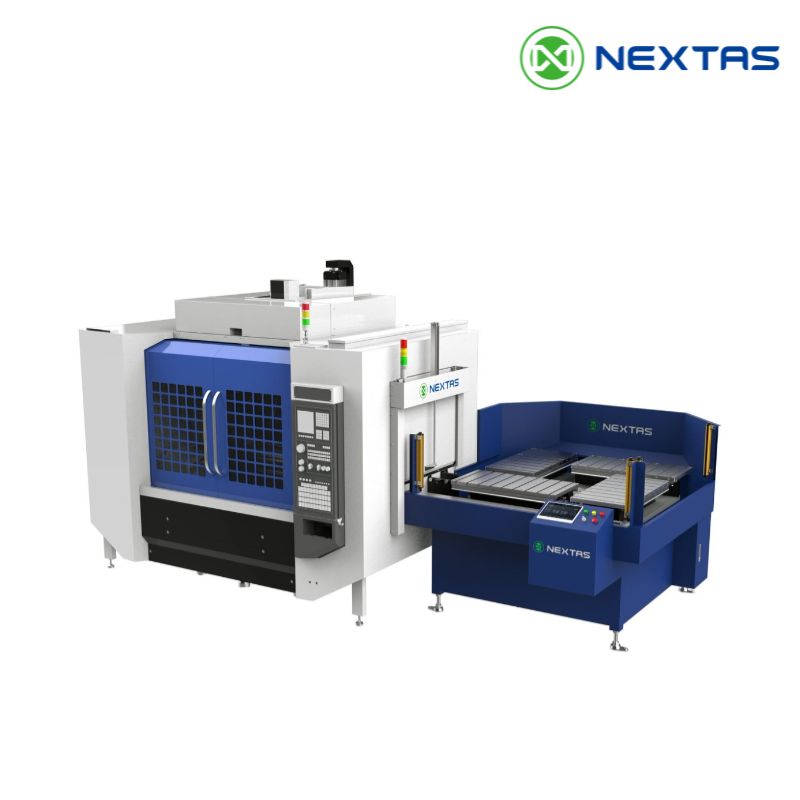
How Nextas' affordable, scalable FMS solutions, featuring proprietary high-precision fixtures (±0.005mm), empower Small-to-Medium Manufacturers (SMMs) to boost productivity, reduce scrap rates, and scale production.

See how a manual pallet changer helps reduce spindle idle time, standardize setup flow, and improve flexibility for small-batch CNC production.
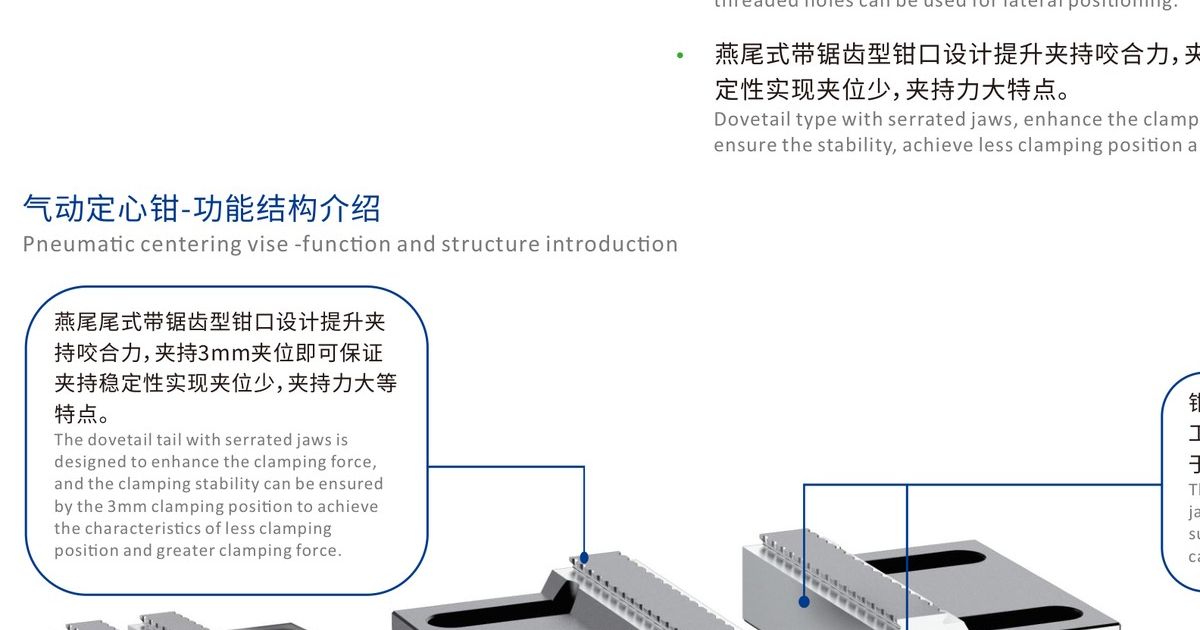
How a ≤ 0.01 mm repeatability pneumatic vise improves CNC machining precision, reduces scrap, and supports automation.
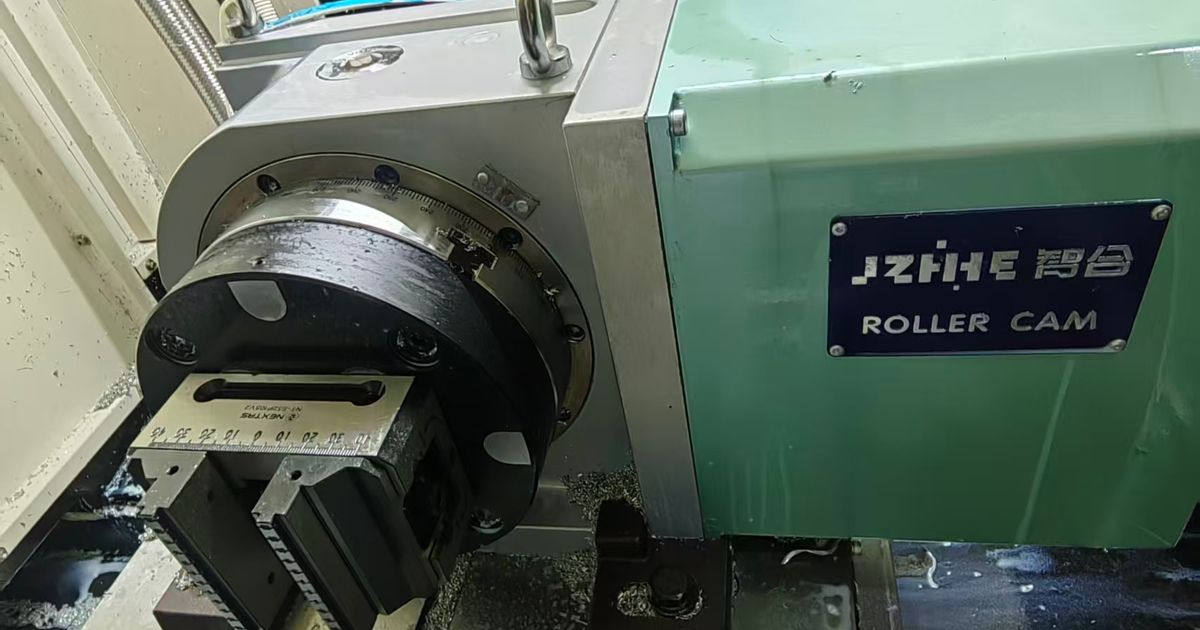
A use-case guide for shops standardizing jaw swaps, offsets, and inspection flow across complex part families.

Compare faster jaw swaps versus denser part loading based on batch size, spindle utilization, and operator workflow.
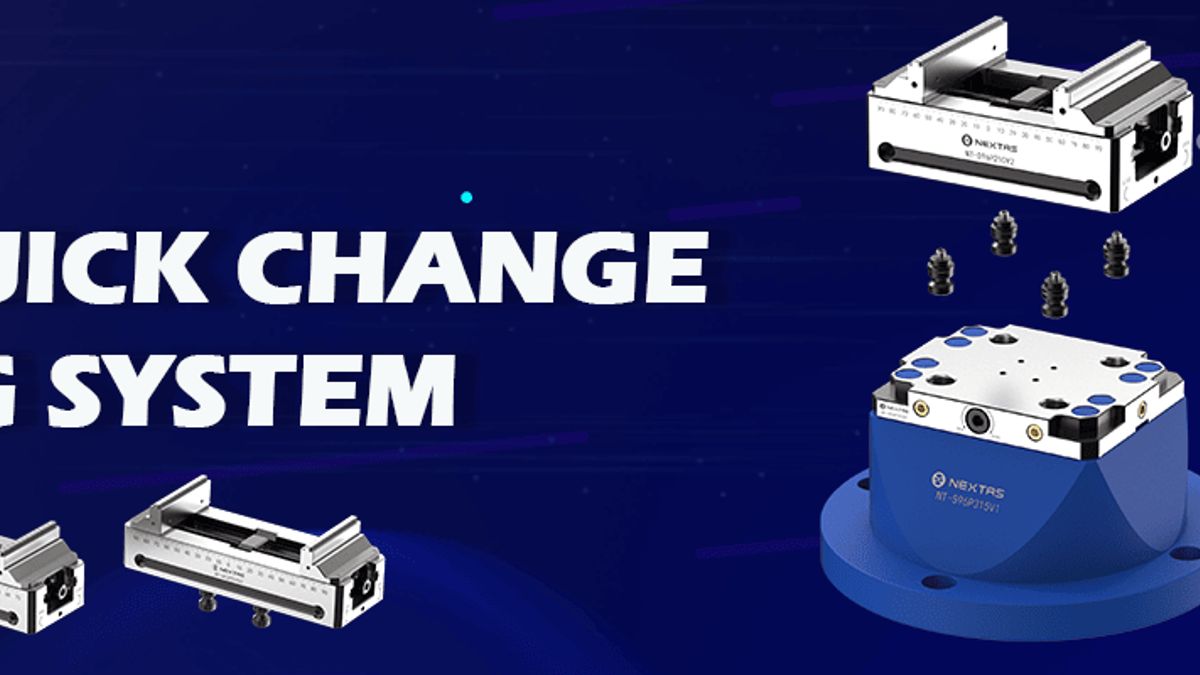
How the Nextas automated integration solution helped Lang'an Precision increase production efficiency by over 30%, setting a new benchmark for unmanned workshop transformations.

Check out when a side-inlet zero-point clamping system improves machine layout, airflow routing, and reliable quick-change positioning.

Why modern automotive plants choose hydraulic fixture systems: higher clamping force, micron-level accuracy, faster changeovers, and measurable ROI.
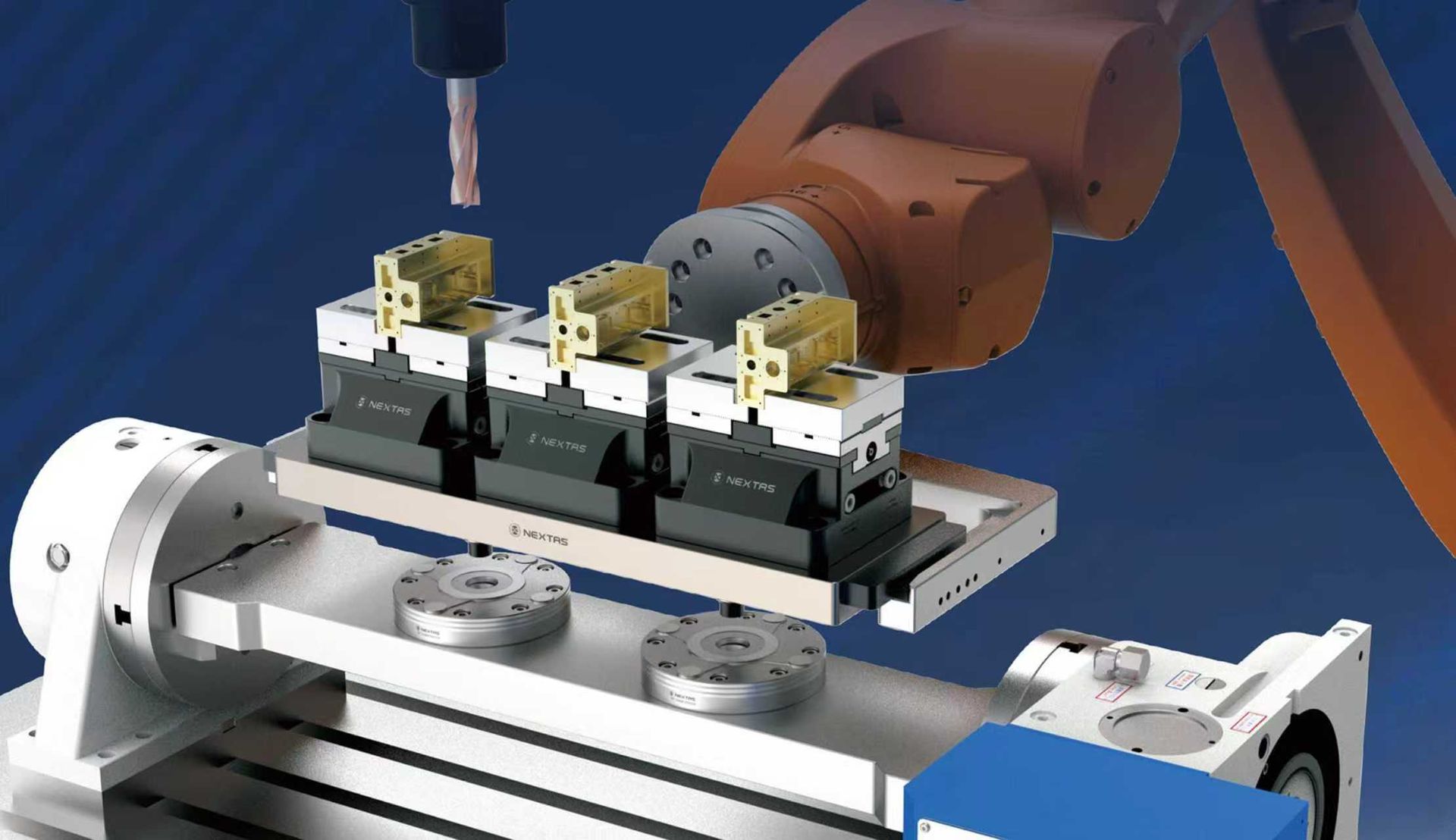
How Nextas high-precision pneumatic vises deliver stable clamping, CNC-controlled actuation, and robot compatibility for lights-out manufacturing.

See how zero-point compatibility, stable centering, and automation-ready design reduce setup time for mold, aerospace, and medical machining.
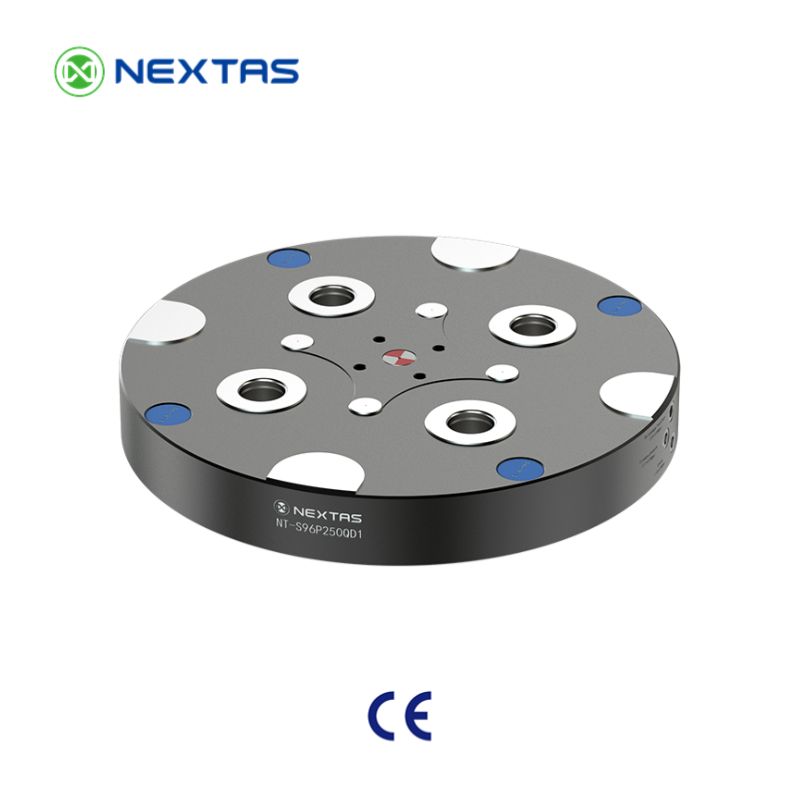
A practical retrofit guide covering air prep, clamp-confirm signals, repeatability checks, and recovery logic for unattended CNC cells.
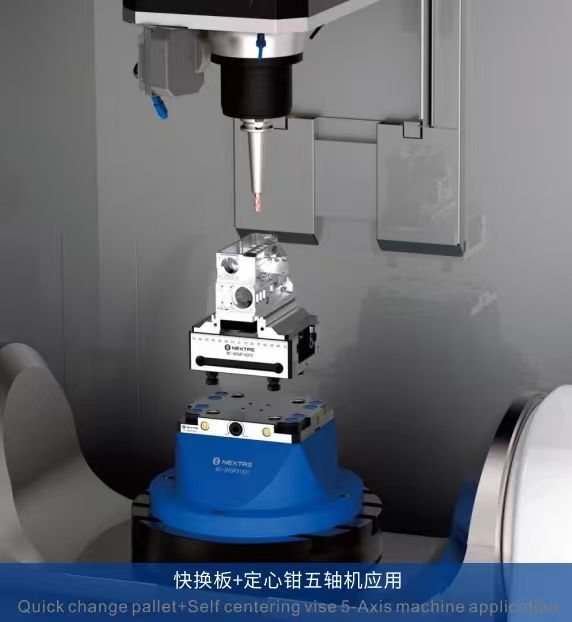
Selection advice for clearance, jaw style, support strategy, distortion control, and zero-point compatibility.
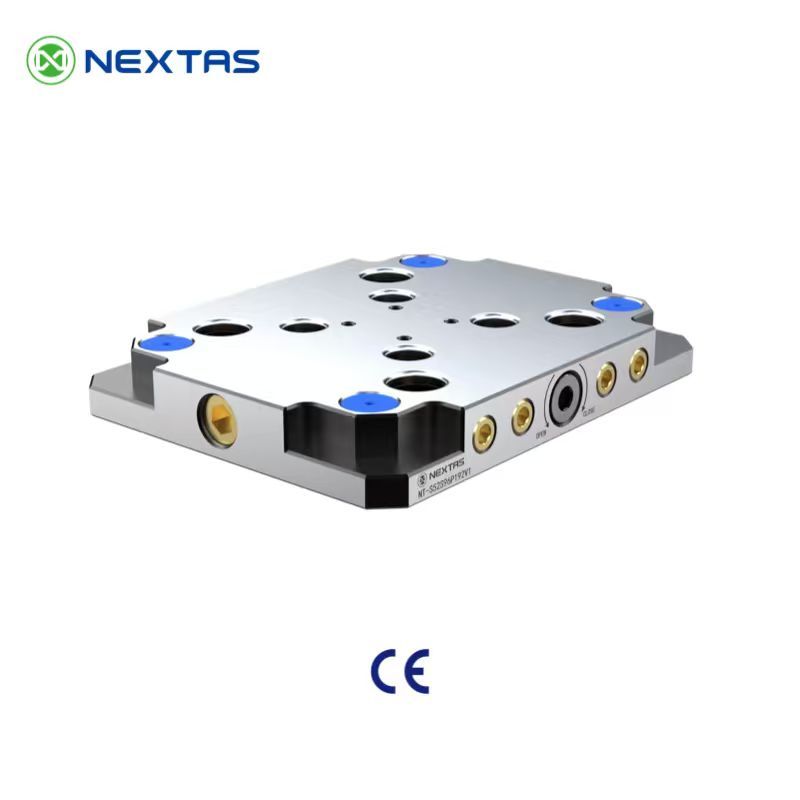
A buyer-focused comparison for larger fixtures and harder cuts: 52/96 mm compatibility, support count, clamping force, and base rigidity.
Learn how hardness strategy, wear control, and interface maintenance affect the long-term service life of zero-point clamping plates.
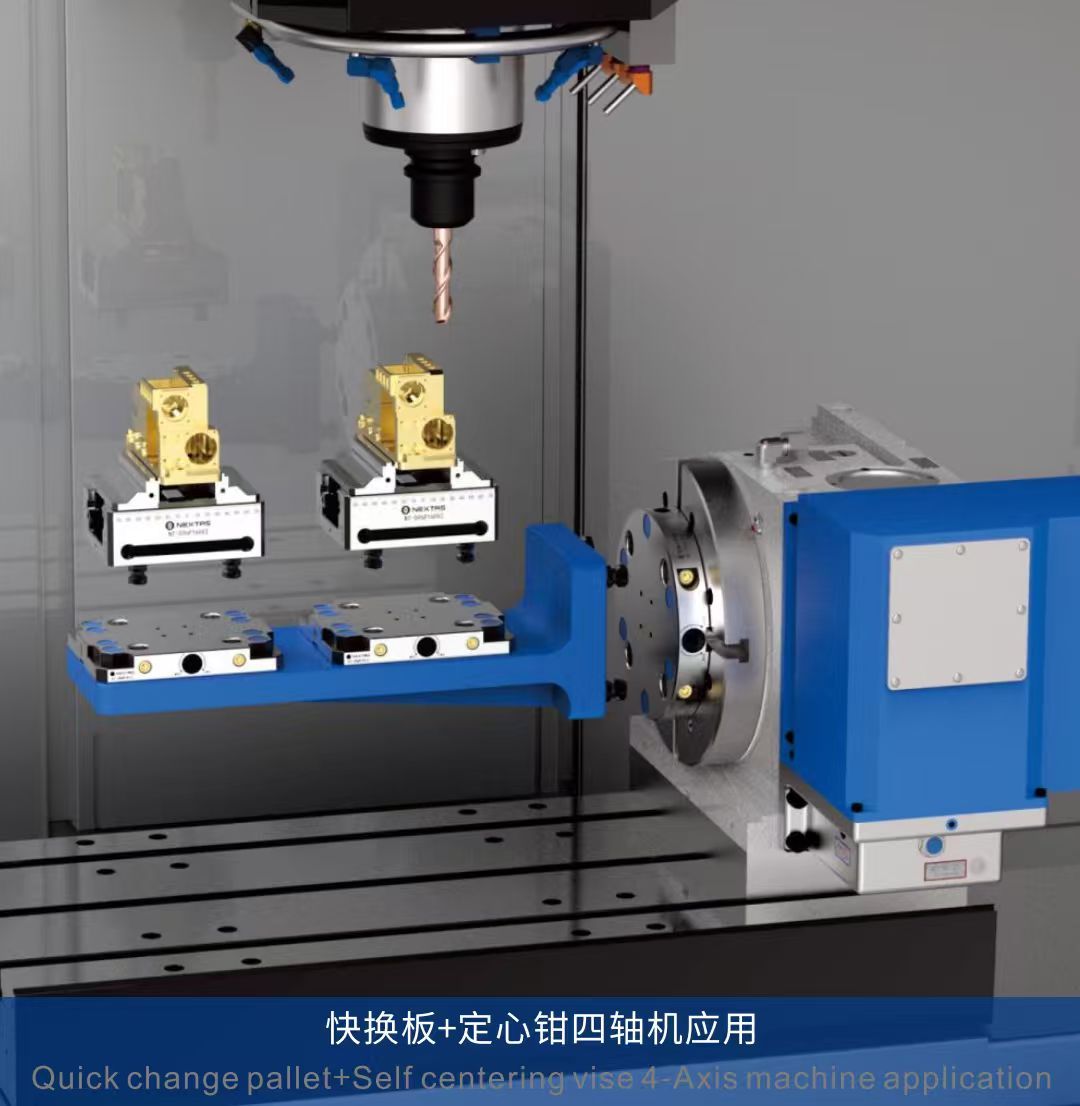
A practical ROI guide for CNC shops comparing setup labor, changeover frequency, zero-point pairing, and repeatable self-centering workflows.

Diagnose tolerance drift faster with a practical guide to jaw support, datum control, repeatability, and when self-centering workholding fixes the real problem.
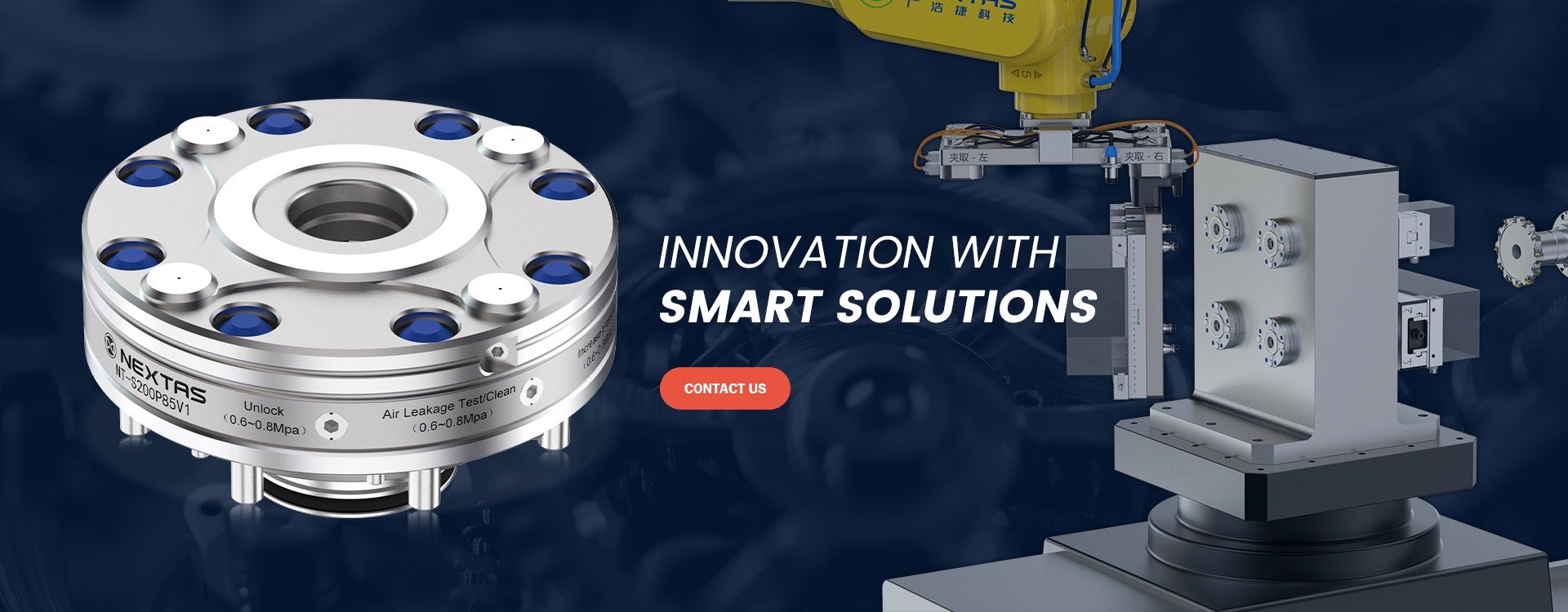
Since 2009, Nextas has been a leading workholding fixtures manufacturer. Discover our advanced manufacturing, R&D, and complete solutions.
We strive to publish new, in-depth articles, case studies, and technical guides every 1-2 weeks. Our goal is to provide timely and relevant insights to help you stay ahead in the manufacturing industry.
Absolutely! We love hearing from our readers. If you have a specific challenge, question, or topic you'd like us to cover, please send your suggestion to our team via the contact page.
Our workholding solutions are built for broad compatibility with major CNC machine brands. For specific integration questions about your machine model, pallet interface, or control method, use the article as a starting point and then send our engineering team your project details for a more precise recommendation.
The best way is to bookmark our blog and check back regularly. You can also follow our company page on LinkedIn, where we share all our new content, updates, and industry news.