
 English
 Español
 Français
 Deutsch
 Polski
 Türkçe
 Русский
 简体中文
简体中文Surface protection
Hold small precision parts without adding avoidable clamp marks or instability.
Hold small medical parts without marking them. Maintain precise datums through multi-operation runs while protecting delicate geometry.
Project priorities at a glance
Surface protection
Hold small precision parts without adding avoidable clamp marks or instability.
Traceable repeatability
Build a datum scheme that stays predictable through validation and inspection.
Compact access
Maintain clearance for tiny tools, deep features, and multi-op machining.
Small precision parts demand gentle support and tight datum control. Clamp marks and deformation can mean scrap or rework.
Position clamps away from functional or cosmetic faces. Distribute load to prevent marring and geometry shift.
Small precision parts often need multiple touches. One stable reference across all operations keeps tolerance stack flat.
Compact fixtures and low clamp profiles leave room for deep holes, small bores, and intricate features.
Share your part size, critical surfaces, and tolerance stack. These details drive the fixture and datum choice.
| Typical parts | Precision housings, small structural parts, tooling, fixture components, and thin-wall machined parts. |
|---|---|
| Typical risks | Part pull, vibration, over-clamping, datum loss, and weak batch repeatability. |
| Typical goals | Secure but controlled clamping with lower risk of part damage or scrap. |

Shopfloor preview
Visualize the part mounted, clamp positions avoiding work surfaces, and the datum chain through all operations.

Clamp position away from precision surfaces. Use soft jaws or protective liners to prevent marks on cosmetic faces.
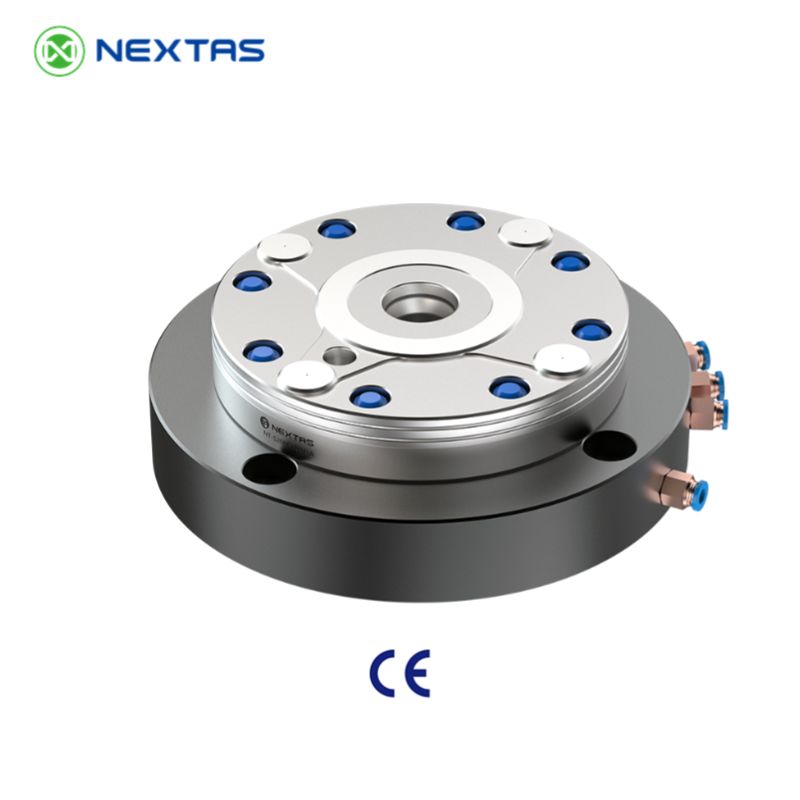
Keep the same datum orientation through rough, finish, and CMM inspection. Minimize part handling between operations.
Choose soft clamping, compact fixtures, and repeatable datums suited to small precision work.

Balanced clamping for small parts with side clamp positions that don't intrude on precision faces.
View product →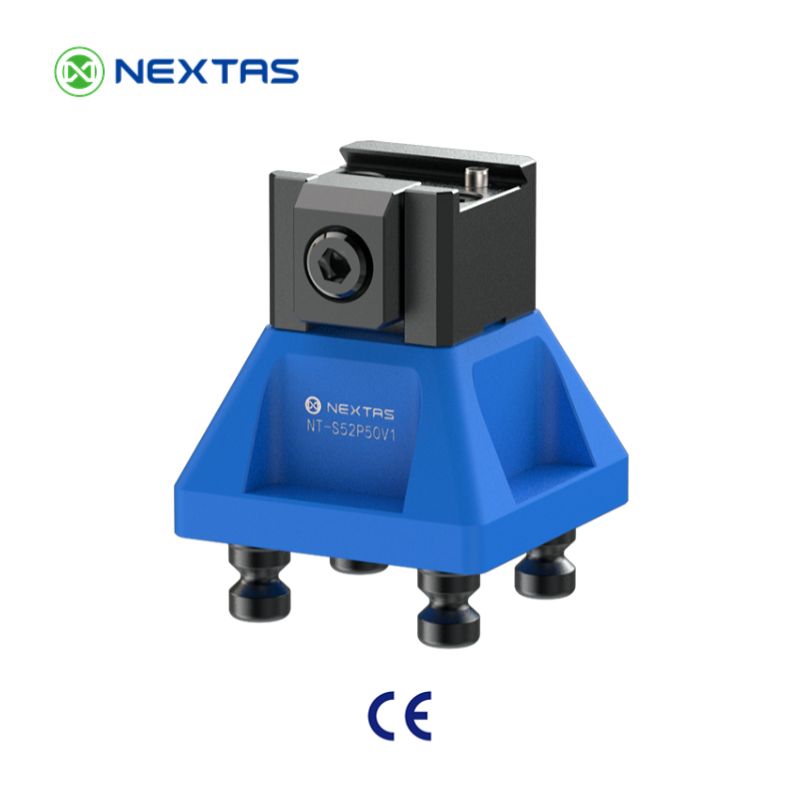
Low-profile interface keeps clamps clear of work surface while protecting cosmetic edges.
View product →
Lock a single reference datum through rough, finish, and measurement without re-clamping variation.
View product →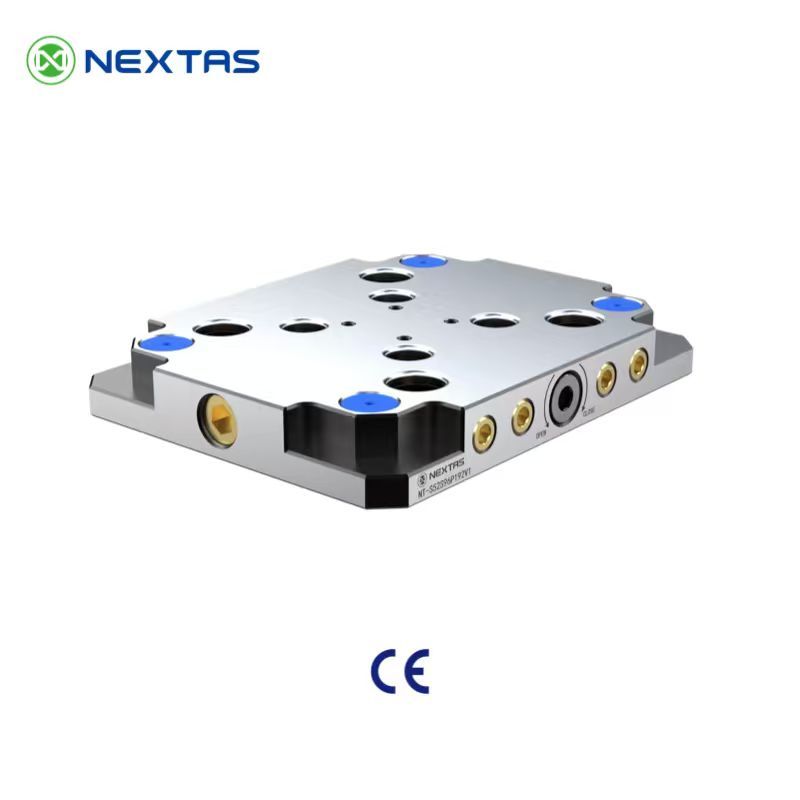
Modular base for stacking soft clamps or precision locating pockets with minimal footprint.
View product →Protect surfaces and maintain tight datums while proving the fixture with real parts.
Step 1
Review which surfaces can safely be used for locating and clamping.
Step 2
Test clamp balance and support points on the most deformation-sensitive geometry first.
Step 3
Document the loading sequence so repeatability does not depend on one experienced operator.
Yes. The goal is controlled support and clamping balance, not simply reducing force everywhere.
Over-clamping, poor support strategy, and inconsistent re-clamp steps are common causes.
Often yes, especially when the base interface is standardized and the top tooling is adapted per family.
Share your part envelope, critical surfaces, and tolerance spec. We'll recommend a soft clamping method and datum strategy to protect quality.