
 English
 Español
 Français
 Deutsch
 Polski
 Türkçe
 Русский
 简体中文
简体中文Rigidity first
Support heavy roughing and accurate restarts on electrodes, cores, and inserts.
Hold heavy steel tooling steady through multi-step roughing and finishing. Move from spotting to EDM to final inspect without losing datum.
Project priorities at a glance
Rigidity first
Support heavy roughing and accurate restarts on electrodes, cores, and inserts.
Re-clamp confidence
Keep datum carryover stable between spotting, roughing, and finish work.
Flexible fixture stack
Reuse plates, vises, and chuck interfaces across one-off and repeat jobs.
Mold work moves between machines: CNC finishing, EDM, spotting, polishing, inspection. Every transition must preserve the datum.
Rigid chuck or vise interface that doesn't slip during heavy roughing, then stays solid through finish work and electrode alignment.
Quick-change datum plates and standardized chuck pockets let you return molds to the machine without hunting for true.
Modular interfaces let one chuck or plate work with many fixtures and specialties across routine and one-off builds.
Describe your mold/die size, the machine sequence (milling to EDM to spotting), and the re-clamp windows. These drive the fixture strategy.
| Typical parts | Electrodes, mold inserts, cavity parts, die components, repair parts, and precision tooling modules. |
|---|---|
| Typical risks | Repeated indicating, datum inconsistency after transfer, and slow repair cycles. |
| Typical goals | Stable datum transfer, faster re-clamp cycles, and cleaner EDM-to-machining handoff. |
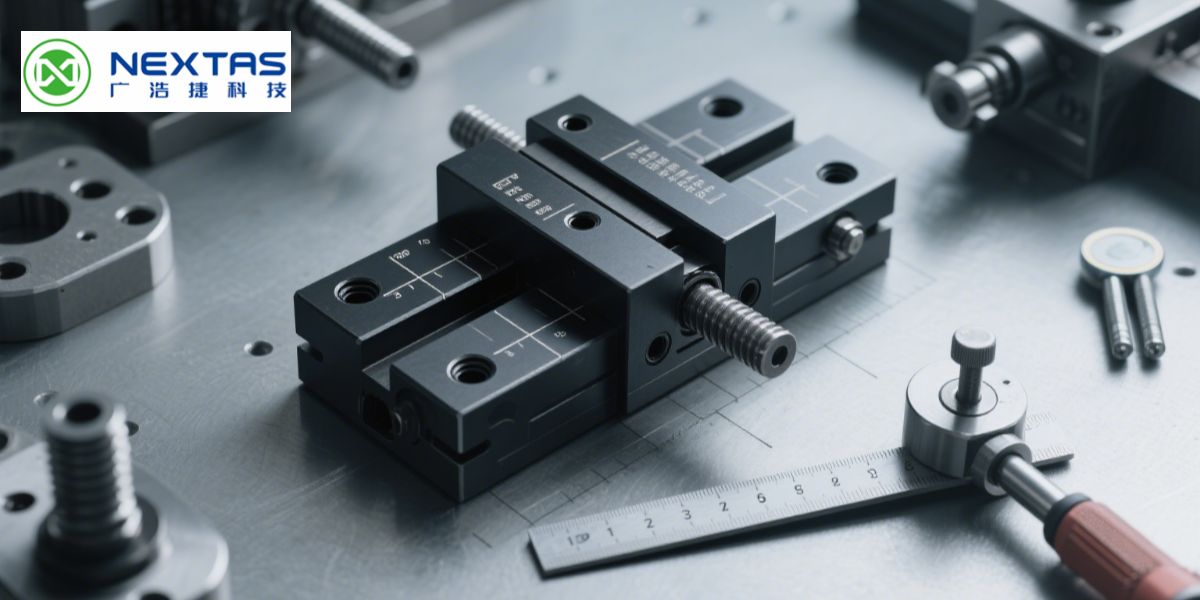
Shopfloor preview
See the mold mounted on the chuck, the datum reference plane, and how it moves from spotting to roughing to finishing machine.
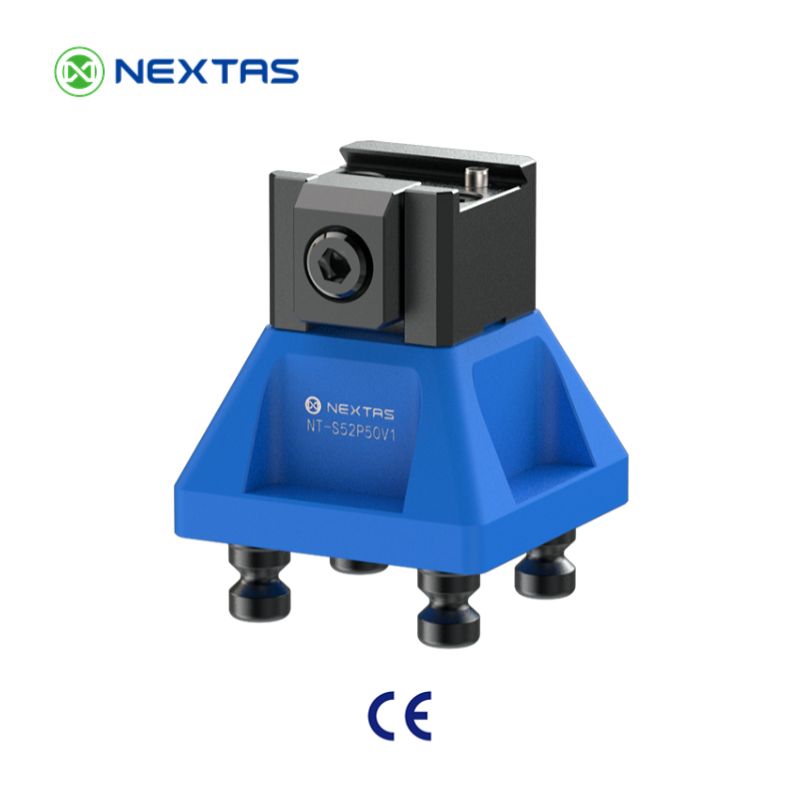
Clamping chuck or vise with repeatable locating pockets. Quick-change base lets you remove and return the mold without re-indicating.
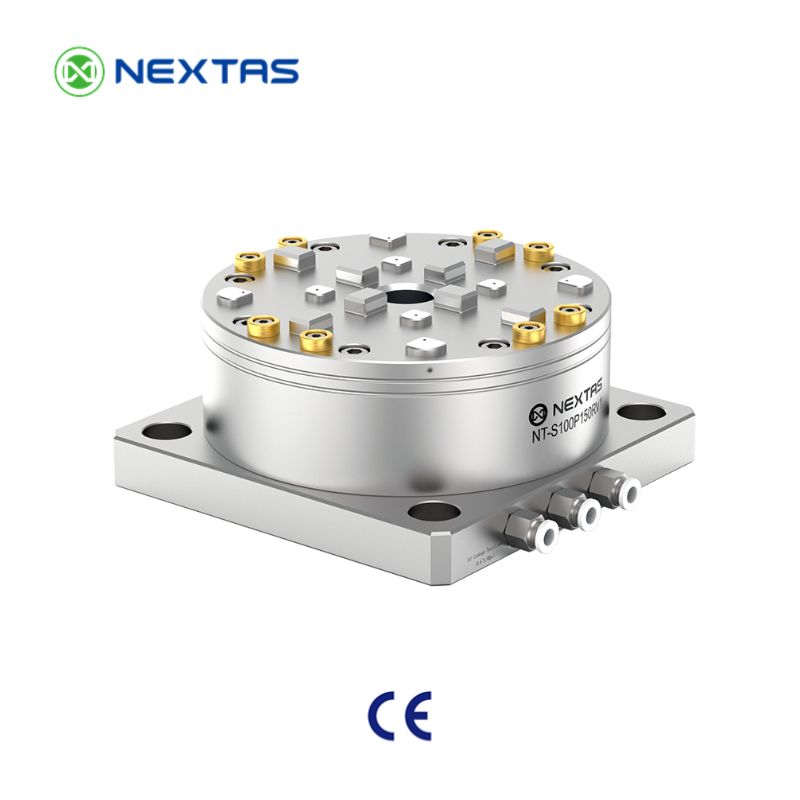
The mold travels to spotting, EDM, or secondary finishing, then returns to the main machine. Same datum interface every time.
Choose a chuck interface and quick-change base designed for heavy tooling and frequent part removals.

Standardized pockets for controlled datum transfer across spotting and EDM operations.
View product →
Rigid quick-exchange interface for molds that move between roughing and finishing machines without re-indicating.
View product →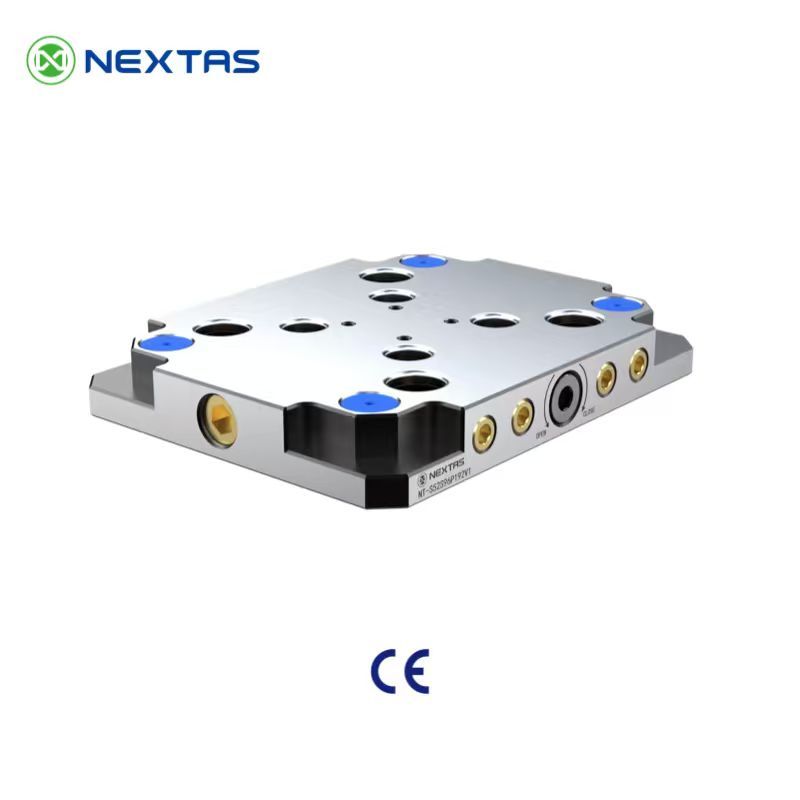
Modular base for building standardized fixture stacks across one-off and repeat mold builds.
View product →
Faster setup rotation when managing multiple heavy molds or electrodes in parallel.
View product →A practical sequence for reducing risk before the solution is expanded to more parts, more pallets, or more machines.
Step 1
Decide which datum should stay common across milling, EDM, and inspection-related steps.
Step 2
Standardize electrode or mold base interfaces before adding more fixture variants.
Step 3
Use one pilot cell or repair workflow to prove the time savings before expanding further.
These programs often move between multiple machines and repeated adjustment cycles, so re-indicating time adds up quickly.
Yes. Quick, repeatable re-clamping is especially useful when a mold or insert must be removed, checked, and returned.
Yes. Datum consistency is a major advantage when electrodes need structured handling and repeatability.
Share your mold size, machine types, and the operation sequence (roughing, EDM, spotting). We'll build a datum strategy that travels with the mold.