Blog

A Must for Unmanned Workshops: Automated Integration Solution of NextasTech Self-Centering Vise + Robotic Arm + Zero-Point System

Learn how the NextasTech integrated solution of self-centering vise, robotic arm, and zero-point system helped Lang'an Precision increase production efficiency by over 30% and achieve an unmanned workshop transformation.

Published on September 09, 20253 min read
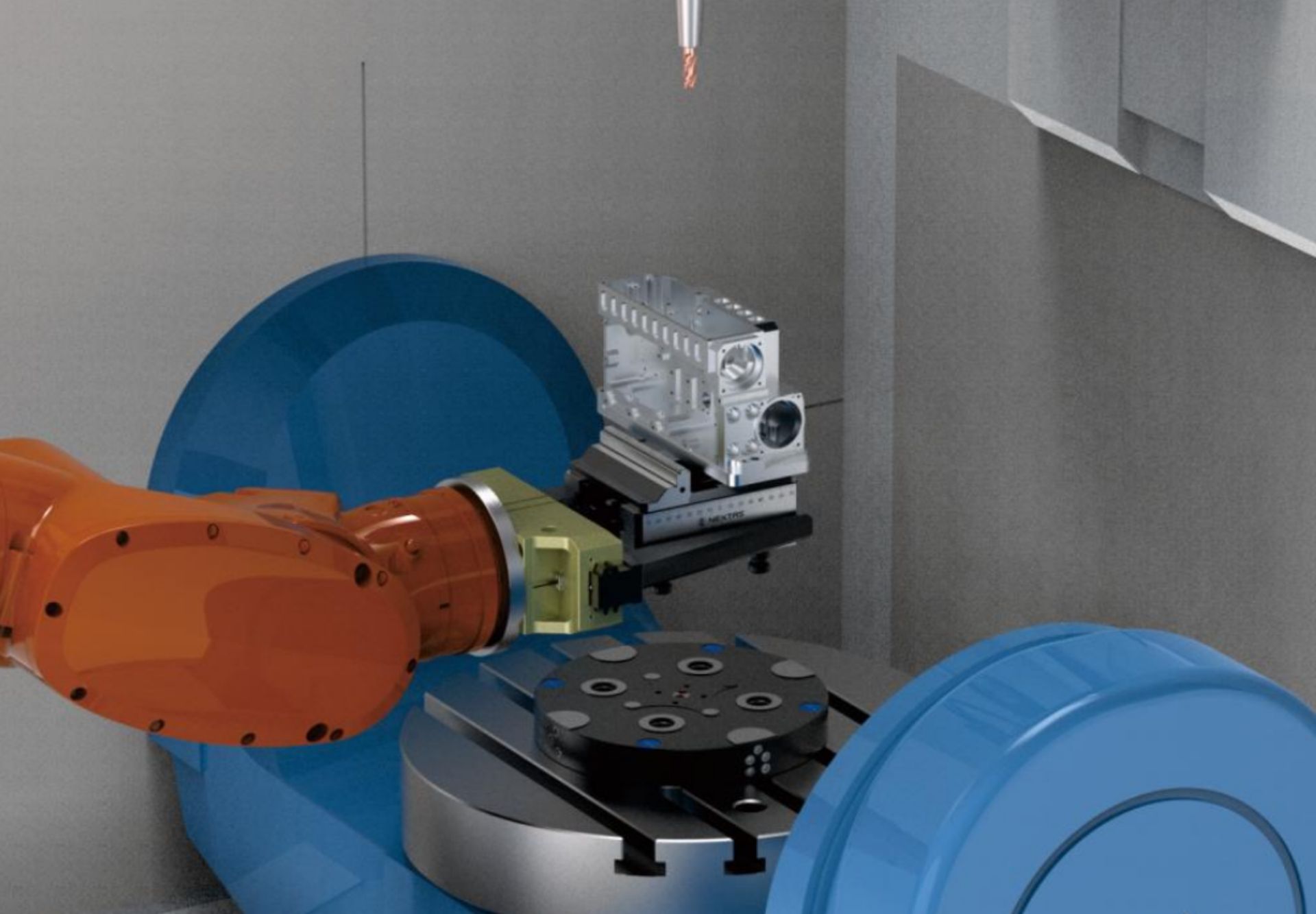
An image showcasing the NextasTech automation solution, featuring a robotic arm, a self-centering vise, and a zero-point system.
The NextasTech automation solution, integrating a robotic arm, self-centering vise, and zero-point system.

The Pain Points of Lang'an Precision Before Transformation

Lang'an Precision specializes in producing high-precision components for automotive engines and aerospace applications. Prior to partnering with NextasTech, its automation efforts were hindered by outdated workholding tools, leading to three critical challenges:

  • Manual Loading/Unloading Bottlenecks: The factory relied on manual operation of traditional vises for workpiece clamping. Each workpiece required 3? minutes of manual alignment, clamping, and tool setting, and a single operator could only manage 2? machining centers. This made 24/7 unmanned production impossible.
  • Long Setup Downtime: Switching between different workpiece types required disassembling the old vise, recalibrating the machine’s coordinate system, and reinstalling a new clamping tool. This process took 1? hours per changeover, resulting in machining center utilization rates as low as 60%.
  • Unstable Clamping Precision: Traditional vises had a repeat clamping accuracy of only ±0.05mm, failing to meet the ±0.02mm precision requirement for high-end automotive and aerospace parts. This inconsistency led to a product qualification rate of just 92%.

Why the NextasTech Self-Centering Vise Is the Core of Automation

The NextasTech High-Precision 5-Axis Self-Centering Vise is engineered specifically for automated workflows, serving as the critical link between robotic arms and zero-point systems. Its key advantages include:

  • Seamless Automation Compatibility: The vise features standardized side clamping grooves designed to match robotic arm grippers. An M5 threaded hole allows for RFID chip installation, enabling the system to automatically identify workpiece types and vise models.
  • Superior Repeatability: Driven by a sealed high-precision lead screw, the vise delivers a repeat clamping accuracy of ≤?.02mm—exactly meeting the precision demands of high-end parts manufacturing.
  • Zero-Point System Compatibility: The vise’s base is equipped with locating pull studs that align with standard zero-point clamping systems, reducing installation time from hours to just 1? minutes.
A close-up of the NextasTech Self-Centering Vise showing the side clamping grooves and the RFID chip installation hole.
Design details of the NextasTech Self-Centering Vise for automation compatibility.

How Lang'an Precision Achieved a 30%+ Efficiency Leap with the NextasTech Solution

After integrating the NextasTech Self-Centering Vise with a robotic arm and NextasTech zero-point plate, Lang'an Precision’s production line underwent a transformative upgrade:

  • 24/7 Unmanned Operation: The automated workflow runs continuously without manual intervention. Single-machine daily output increased from 48 to 60 pieces (a 25% rise), and the factory reduced labor on the line from 6 workers to 2 (a 67% labor cost cut).
  • Setup Time Reduced to 8 Minutes: With offline pre-setup, setup time dropped from 1.5 hours to 8 minutes, boosting machining center utilization from 60% to 85%. Monthly output rose from 12,000 to 16,000 pieces.
  • Qualification Rate Reaches 99.2%: The vise’s ±0.02mm accuracy eliminated workpiece displacement. For automotive engine crankshafts, the qualification rate jumped from 92% to 99.2%, translating to monthly savings of $43,200 on crankshaft production alone.

In total, Lang'an Precision’s production efficiency increased by 32%, exceeding initial expectations. The factory has since expanded the solution to 12 machining centers and integrated it with its MES system for intelligent production scheduling.

Conclusion

For manufacturers aiming to build unmanned workshops, the NextasTech integration solution is more than a tool upgrade—it’s a shortcut to enhanced efficiency and precision. To customize your automated workholding plan or access CAD files for the NextasTech Self-Centering Vise, contact the NextasTech team today.

Comparison, Selection & Cost Guide (Quick Tables)

Use the quick tables below to choose the right workholding setup for jobs like “A Must for Unmanned Workshops: Automated Integration Solution of NextasTech Self-Centering Vise + Robotic Arm + Zero-Point System”. We focus on changeover time, repeatability, automation readiness, and total cost—so you can make a confident choice fast.

Quick comparison: common workholding options

OptionBest forStrengthsWatch-outsTypical changeover
Zero-point system / zero-point clamping plateFrequent part changes, multi-part families, modular setupsFast repeatable locating, scalable, automation-readyNeeds clean interfaces; plan for chip control30–120 sec
Pneumatic viseHigh mix + unattended runs where cycle time mattersStable clamping force, easy automation, consistent loadingAir quality + pressure stability; safety interlocks1–3 min
Self-centering viseSymmetric parts, 5-axis access, quick centeringCenters fast, reduces setup errors, good for 5-axisJaw travel limits; verify part envelope1–5 min
Hydraulic fixtureHigh-volume or high-clamp-force machiningStrong & stable, great for tight tolerancesHigher upfront cost; maintenance & leak checks5–20 min
Custom dedicated fixture / jigOne part, very stable process, repeat productionMax stability, lowest unit cost at scaleSlow to change; redesign needed for new parts10–60 min
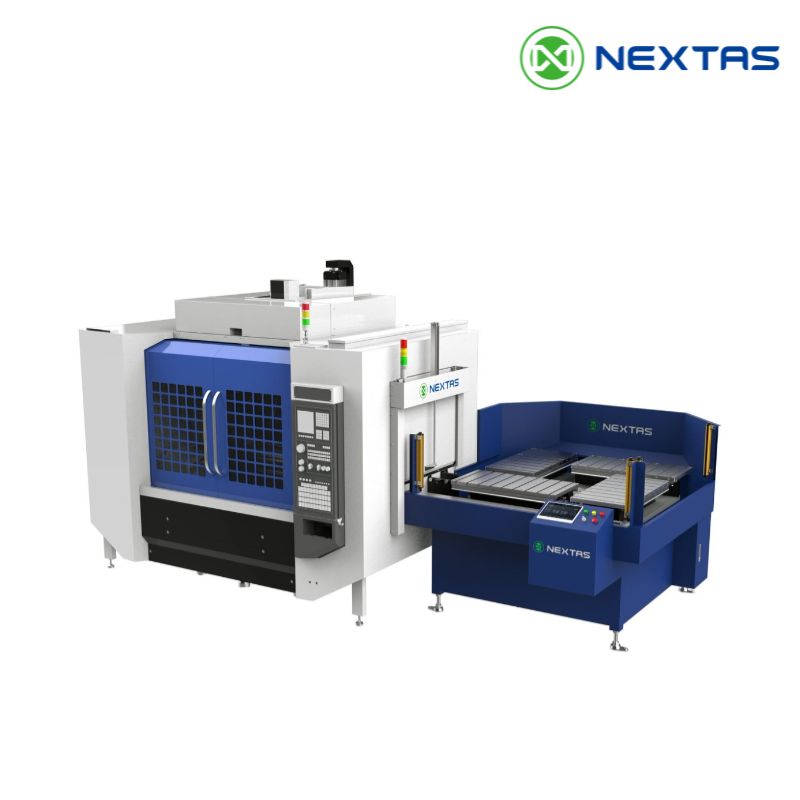
Pallet changerParallel setup + spindle utilization gainsSetup off-machine, better OEE, easier lights-outNeeds process discipline + pallet standardsVaries (2–10 min off-machine)
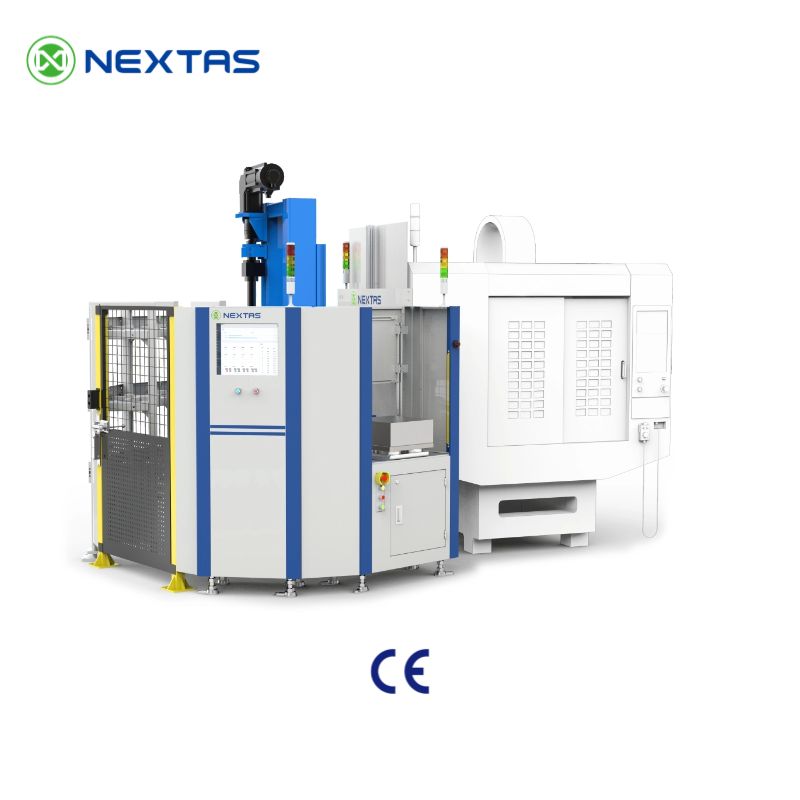
Automatic Pallet Changer + Zero Point Clamping SystemParallel setup + long unattended windowsHigher OEE, standardized setups, easier lights‑outNeeds pallet standards + recovery planOff‑machine 2–10 min
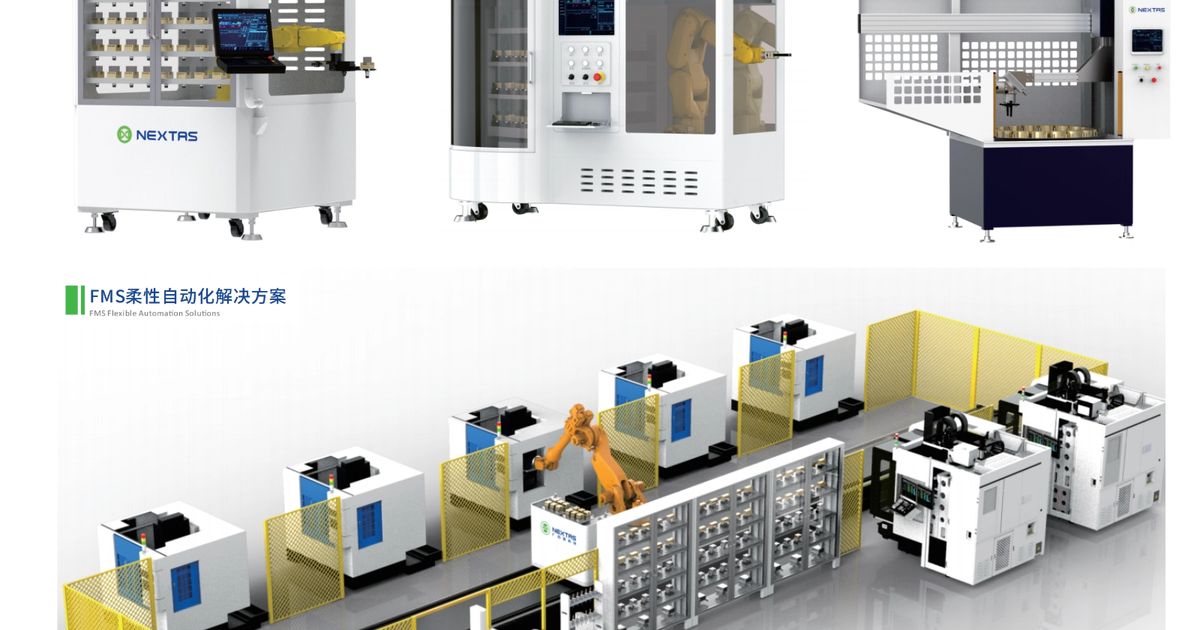
FMS / pallet pool (automation)Many SKUs + long unattended windowsBest throughput + scheduling flexibilityHighest system complexity; needs planningN/A (system-level)

Fast selection: match your scenario

Your scenarioRecommended setupNotes
Target 6–24h unattended machiningAutomatic Pallet Changer + zero‑point palletsAdd tool‑life monitoring + “recover from stop” SOP.
1–10 pcs, frequent changeovers, < 0.02 mm targetsZero-point system + modular baseBuild a “standardized base” and swap top tooling.
10–200 pcs, operator present, mixed geometriesSelf-centering vise or pneumatic vise + soft jawsAdd quick jaw change + pre-set stops.
200+ pcs, high clamp force, stable part familyHydraulic fixture or dedicated fixtureOptimize for cycle time + tool access.
Lights-out / unmanned shift (2–8+ hours)Pneumatic vise + pallet changer or FMSPrioritize sensing, chip evacuation, and fail-safe clamping.

What affects price (and how to control it)

Cost driverWhy it changes priceHow to reduce cost
Integration + safetySensors, interlocks, and commissioning drive total costStart small (2–4 pallets); expand after stable run.
Repeatability requirement (e.g., ≤0.01 mm)Tighter repeatability needs higher precision interfaces and QCStandardize datums; use proven modules; avoid over-spec.
Changeover frequencyMore swaps reward quick-change systems (ROI grows fast)Measure setup time; prioritize the biggest bottleneck.
Automation level (sensors, interlocks, palletization)Adds hardware + integration timeStart with one cell; reuse components across machines.
Workpiece size & materialLarge/heavy parts need stronger clamping + bigger basesUse modular plates; right-size the fixture footprint.
Engineering time (custom vs modular)Custom design drives NRE costPrefer modular stacks; keep custom parts minimal.

Common mistakes (and quick fixes)

MistakeSymptomFix
No recovery strategyCell stops at night; lost hoursDefine alarm flow, spare tools, and restart steps.
Inconsistent pallet standardsSetup errors and crash riskLock one datum/pattern; label and audit pallets.
Skipping chip control on locating surfacesRepeatability drifts; “mystery” setup errorsAdd air blast, covers, and a cleaning routine.
Over-clamping thin partsWarping, chatter, tolerance issuesUse proper jaw support + controlled clamping force.
No standard datum / pallet standardEvery setup becomes a one-offDefine a shop standard (datums, pallet, bolt pattern).
Choosing by lowest price onlyHigher labor cost + downtimeEvaluate total cost: labor, scrap, changeover time.

Want a recommendation for your parts? Send us your machine model, material, and tolerance target — we’ll suggest a practical setup.

Automation Solution FAQs

Expert answers to your automation integration questions.

What is the typical ROI for this automated integration solution?

While ROI varies by application, clients like Lang'an Precision experience significant returns. Key factors include: 1) A 60%+ reduction in labor costs per line, 2) A 25-30% increase in machine utilization by slashing setup times, and 3) A sharp decrease in scrap rates due to guaranteed ±0.02mm repeatability. Most clients see a full payback in 12-18 months.

How does the zero-point system communicate with the CNC controller and robot?

Our pneumatic zero-point systems integrate via simple M-code commands from the CNC controller to actuate clamping and unclamping. They also feature integrated sensor ports (pneumatic or electric) that provide "clamped" and "unclamped" feedback signals. This confirmation signal is sent to the robot's PLC, ensuring the robot only moves when the fixture is safely unclamped, and the machine only starts when it's safely clamped.

Can the self-centering vise handle different part sizes in an automated cell?

Yes. The NextasTech 5-Axis Self-Centering Vise is ideal for high-mix, low-volume automation. The robotic arm can be programmed to automatically exchange the entire vise (mounted on a zero-point pallet) for a different size or model. Alternatively, for parts with similar dimensions, the vise's wide clamping range (e.g., 0-160mm) can accommodate various sizes without any manual adjustment, relying on its precise centering capability.

What maintenance is required for this system in a 24/7 unmanned workshop?

Our systems are designed for high-endurance, low-maintenance operation. The self-centering vise features a fully sealed leadscrew, preventing chip and coolant ingress. We recommend a simple daily check of the air-blast function on the zero-point system to ensure it's clear. A quarterly preventive maintenance check involves cleaning and re-greasing the vise's leadscrew and checking the zero-point system's seals, a process that takes about 15 minutes per station.

How is alignment guaranteed between the robot gripper, vise, and zero-point plate?

Precision is built into the system. The zero-point system provides the absolute reference (±0.002mm repeatability) for the entire cell, fixed to the machine table. The self-centering vise, equipped with our locating pull studs, locks into this system with the same repeatability. The vise itself has standardized side grooves (as mentioned in the article) that act as a precise interface for the robot's gripper. We provide the CAD models for these grooves, allowing for perfect gripper design and ensuring the robot, vise, and zero-point system are all locked into a single, highly accurate reference frame.

Enhance Your Machining Efficiency with NextasTech

Ready to boost your productivity? At NextasTech, we combine decades of expertise, advanced manufacturing, and a customer-first approach to deliver fixtures that drive success. Join hundreds of satisfied clients worldwide and experience the difference high-precision, quick-change, and cost-saving fixtures can make.

Contact Our Experts Today —
Request a Technical Consultation →