Blog

Nextas: Your Trusted Workholding Fixtures Manufacturer Since 2009

Since 2009, Nextas has been a leading workholding fixtures manufacturer. Discover our advanced manufacturing, R&D, and full solutions including zero-point systems and self-centering vises for CNC machining.

Published on July 10, 20256 min read
Nextas: Your Trusted Workholding Fixtures Manufacturer Since 2009
Since 2009, Nextas has been a leading workholding fixtures manufacturer. Discover our advanced manufacturing, R&D, and full solutions including zero-point systems and self-centering vises for CNC machining.

Nextas has been building workholding and automation solutions since 2009, but for most buyers the more practical question is not company age alone. The real question is whether a supplier can combine repeatable products, application engineering, and custom fixture support into one workflow that fits your machines, tolerances, and production goals.

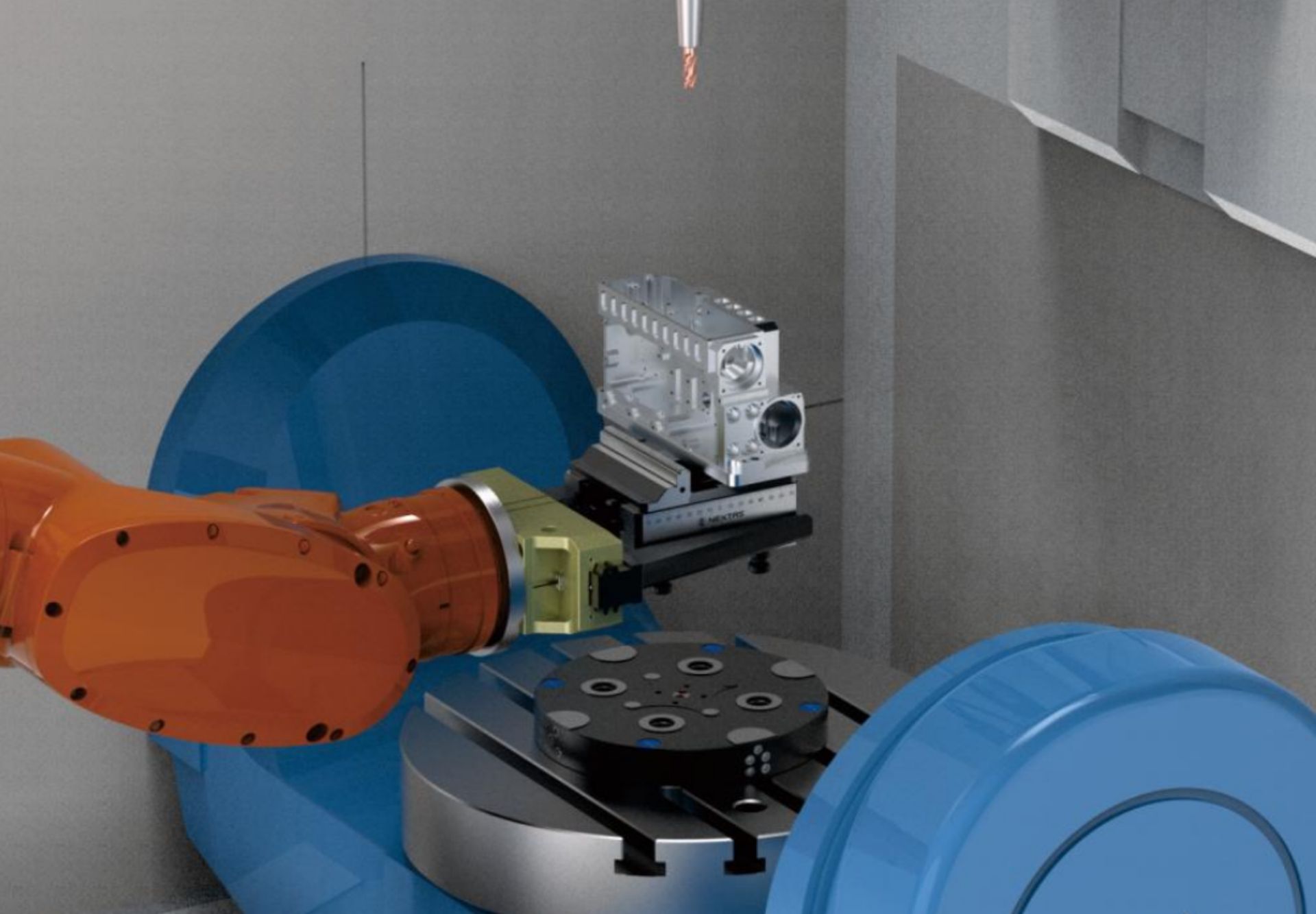
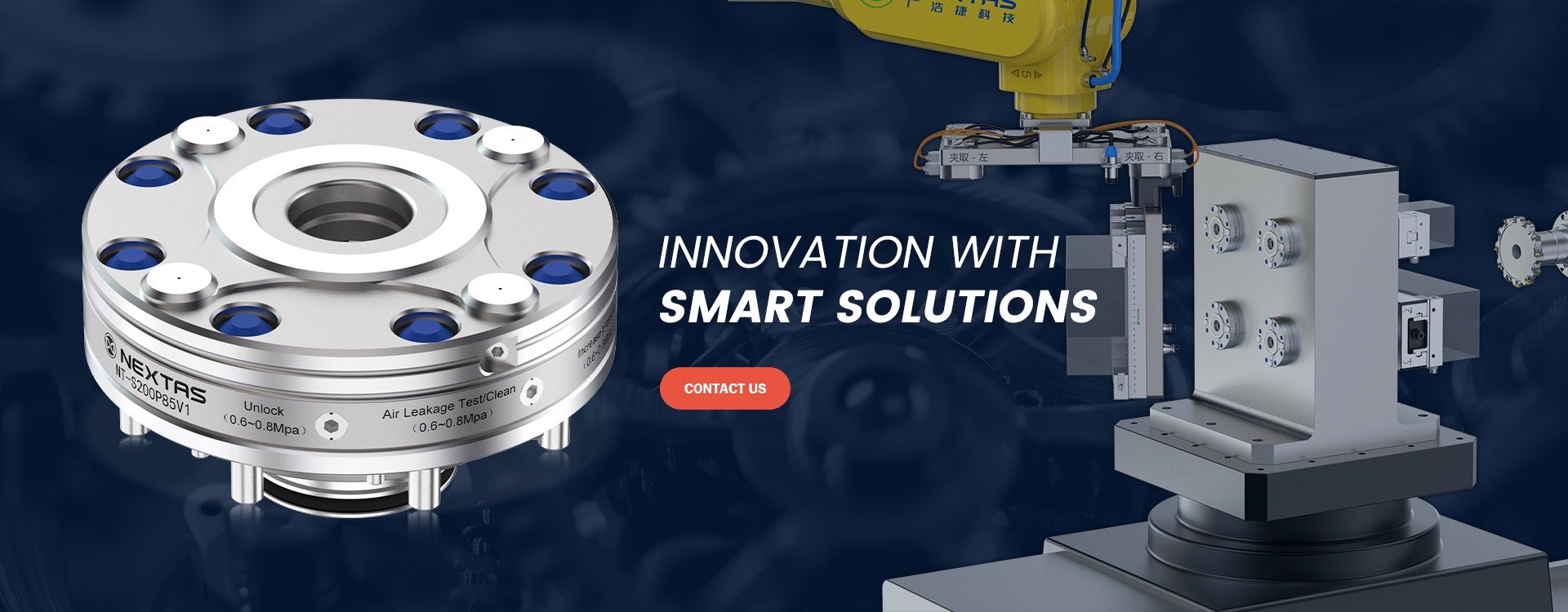
This page gives a compact overview of where Nextas fits in a modern CNC environment: modular zero-point systems for faster changeovers, self-centering vises for stable multi-side machining, and custom pneumatic or hydraulic fixtures when standard workholding is no longer enough. It is written for teams comparing suppliers, not just browsing catalogs.

  • For procurement: understand product range, quality control, and customization capability.
  • For process engineers: see where standard workholding ends and custom fixture design begins.
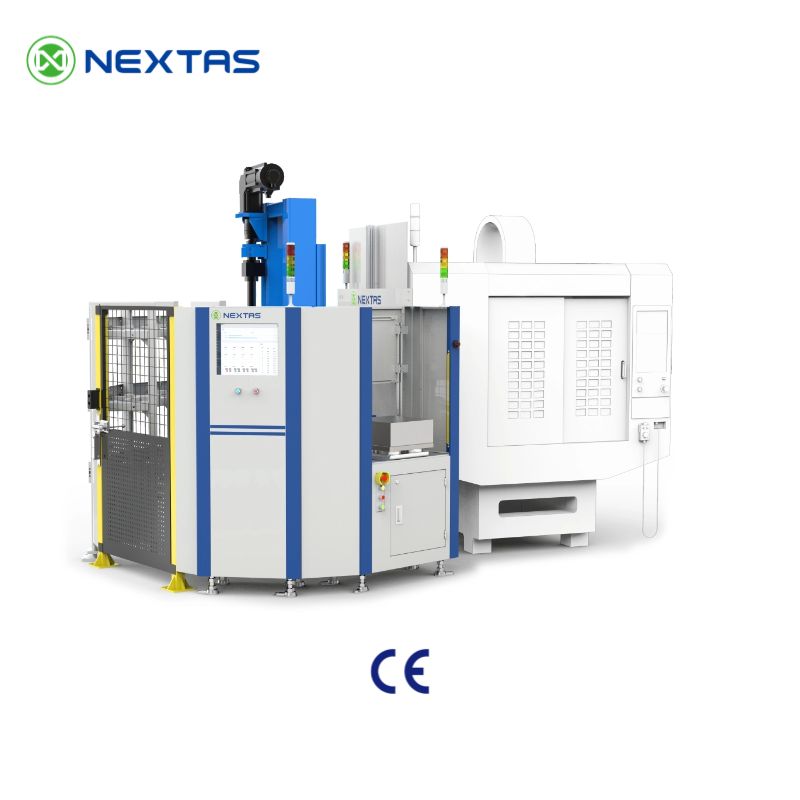
  • For automation projects: assess whether the supplier can support pallets, robots, and lights-out production.

If you are shortlisting vendors for a new machining cell or a fixture standardization project, the comparison guide and FAQs below will help you judge fit more quickly.
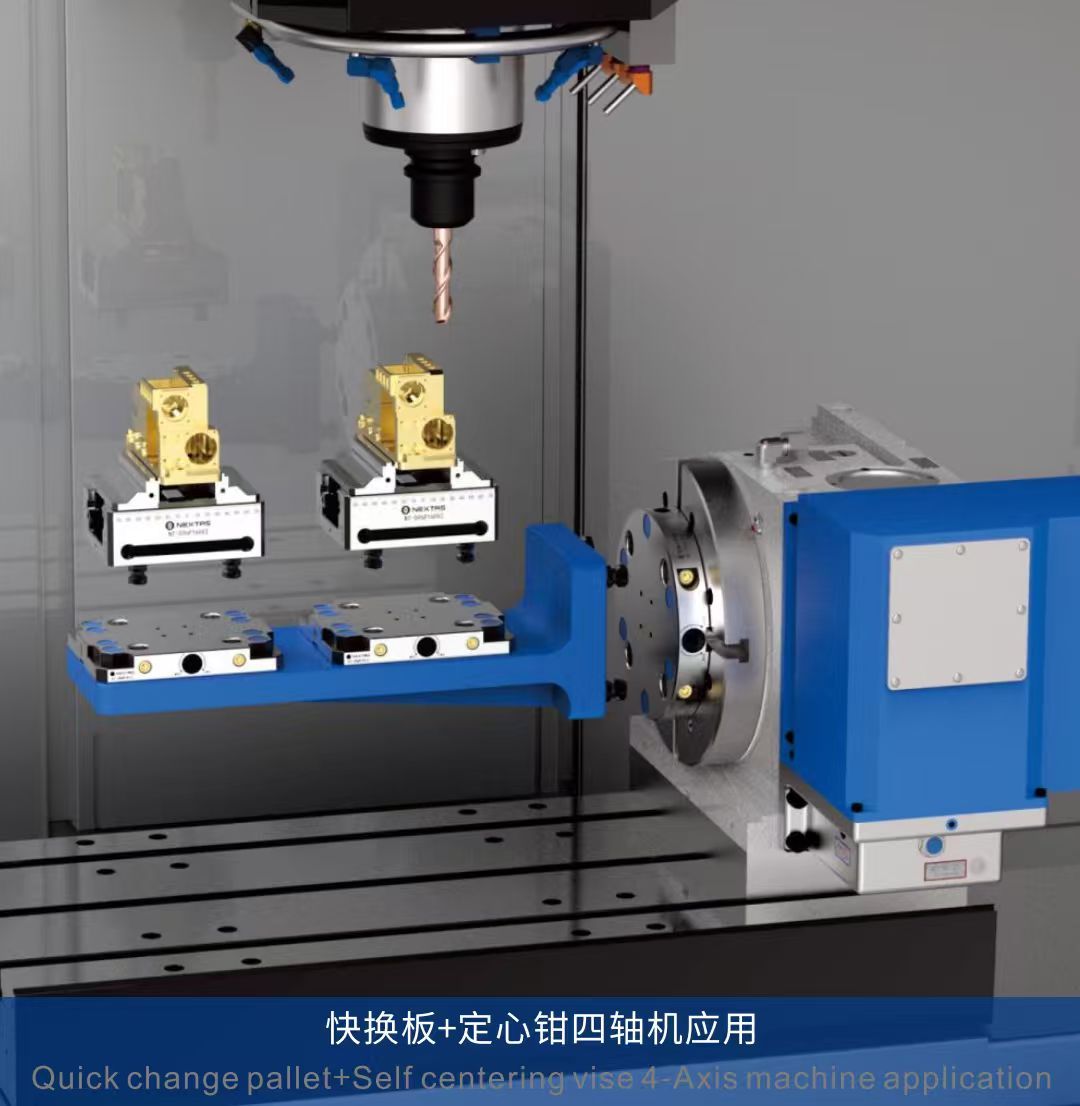
Table of contents
Nextas

Need help narrowing down the right setup?

Share your machine model, material, workpiece size, and tolerance target. We will help you shortlist a practical workholding path.

  • Machine + material review
  • Fixture stack-up suggestions
  • Fast reply via WhatsApp or form

Comparison, Selection & Cost Guide (Quick Tables)

Use the quick tables below to choose the right workholding setup for jobs like “Nextas: Your Trusted Workholding Fixtures Manufacturer Since 2009”. We focus on changeover time, repeatability, automation readiness, and total cost—so you can make a confident choice fast.

Quick comparison: common workholding options

OptionBest forStrengthsWatch-outsTypical changeover
Zero-point system / zero-point clamping plateFrequent part changes, multi-part families, modular setupsFast repeatable locating, scalable, automation-readyNeeds clean interfaces; plan for chip control30–120 sec
Pneumatic viseHigh mix + unattended runs where cycle time mattersStable clamping force, easy automation, consistent loadingAir quality + pressure stability; safety interlocks1–3 min
Self-centering viseSymmetric parts, 5-axis access, quick centeringCenters fast, reduces setup errors, good for 5-axisJaw travel limits; verify part envelope1–5 min
Hydraulic fixtureHigh-volume or high-clamp-force machiningStrong & stable, great for tight tolerancesHigher upfront cost; maintenance & leak checks5–20 min
Custom dedicated fixture / jigOne part, very stable process, repeat productionMax stability, lowest unit cost at scaleSlow to change; redesign needed for new parts10–60 min
Pallet changerParallel setup + spindle utilization gainsSetup off-machine, better OEE, easier lights-outNeeds process discipline + pallet standardsVaries (2–10 min off-machine)
FMS / pallet pool (automation)Many SKUs + long unattended windowsBest throughput + scheduling flexibilityHighest system complexity; needs planningN/A (system-level)
Standardized base (datum) + quick-changeAny shop improving setup time and consistencyReduces variation and speeds changeoversRequires discipline: standards + cleaningVaries

Fast selection: match your scenario

Your scenarioRecommended setupNotes
Want a simple first step to reduce setup timeStandard base + Zero-Point Clamping System (when ready)Start with 1 machine/cell; document standards and grow.
1–10 pcs, frequent changeovers, < 0.02 mm targetsZero-point system + modular baseBuild a “standardized base” and swap top tooling.
10–200 pcs, operator present, mixed geometriesSelf-centering vise or pneumatic vise + soft jawsAdd quick jaw change + pre-set stops.
200+ pcs, high clamp force, stable part familyHydraulic fixture or dedicated fixtureOptimize for cycle time + tool access.
Lights-out / unmanned shift (2–8+ hours)Pneumatic vise + pallet changer or FMSPrioritize sensing, chip evacuation, and fail-safe clamping.

What affects price (and how to control it)

Cost driverWhy it changes priceHow to reduce cost
Standardization effortTime to define datums, torque, and routinesUse a simple checklist; train operators; audit monthly.
Repeatability requirement (e.g., ≤0.01 mm)Tighter repeatability needs higher precision interfaces and QCStandardize datums; use proven modules; avoid over-spec.
Changeover frequencyMore swaps reward quick-change systems (ROI grows fast)Measure setup time; prioritize the biggest bottleneck.
Automation level (sensors, interlocks, palletization)Adds hardware + integration timeStart with one cell; reuse components across machines.
Workpiece size & materialLarge/heavy parts need stronger clamping + bigger basesUse modular plates; right-size the fixture footprint.
Engineering time (custom vs modular)Custom design drives NRE costPrefer modular stacks; keep custom parts minimal.

Common mistakes (and quick fixes)

MistakeSymptomFix
Buying hardware without a standardNo improvement, more confusionDefine datum/pallet standard first.
Skipping documentationKnowledge trapped in one personWrite a 1-page setup SOP + photos.
Skipping chip control on locating surfacesRepeatability drifts; “mystery” setup errorsAdd air blast, covers, and a cleaning routine.
Over-clamping thin partsWarping, chatter, tolerance issuesUse proper jaw support + controlled clamping force.
No standard datum / pallet standardEvery setup becomes a one-offDefine a shop standard (datums, pallet, bolt pattern).
Choosing by lowest price onlyHigher labor cost + downtimeEvaluate total cost: labor, scrap, changeover time.

Want a recommendation for your parts? Send us your machine model, material, and tolerance target — we’ll suggest a practical setup.

Frequently Asked Questions

What industries do you primarily serve?

We serve a wide range of high-precision industries, including aerospace, automotive, medical device manufacturing, mold and die, and general engineering. Our products are built to meet the strict tolerance and reliability standards required in these demanding fields.

Can you explain your OEM/ODM process?

Our OEM/ODM process is collaborative. It typically starts with your team providing detailed requirements, such as workpiece drawings (CAD models), machine specifications, production goals (e.g., cycle time, volume), and any specific challenges. Our 50+ R&D engineers will then analyze the requirements, propose a design concept, and work with you through design iterations, prototyping, testing, and final mass production, maintaining the final solution perfectly matches your needs.

How do you ensure the precision and quality of your workholding fixtures?

Quality is ensured through three main pillars:
1. Advanced Machinery: We use high-precision equipment like OKUMA 5-axis centers and Okamoto grinders, which are capable of holding extremely tight tolerances.
2. In-House Control: We manage the entire production process, from raw material sourcing to final heat treatment and finishing.
3. Rigorous Inspection: We are ISO 9001 certified and use advanced metrology equipment (like CMMs) to inspect every critical component, maintaining guaranteed repeatability and performance before shipment.

Are your products compatible with CNC machines from brands like Haas, DMG Mori, or Hermle?

Yes. Our workholding systems (like the Zero-Point and Self-Centering Vises) are designed based on universal standards and are compatible with nearly all major CNC machine brands, including those from Europe, America, and Asia. We offer a variety of mounting options to integrate directly with your existing 3-axis, 4-axis, or 5-axis machine tables.

What is the typical lead time for a standard product versus a custom ODM fixture?

For our standard products (e.g., self-centering vises, zero-point chucks), we often maintain inventory and can ship within a few days. For custom (ODM/OEM) fixtures, the lead time depends on complexity. It can range from 4 to 8 weeks, which includes design consultation, manufacturing, and thorough testing. We always provide a clear timeline estimate after reviewing your specific project requirements.

Keep exploring

Continue with closely matched guides that show how Nextas products fit real machining and automation projects.

Browse all articles →

Match the hardware

These product pages are the best place to move from general brand interest into specific hardware and application planning.

Browse all products →
Get Engineering Advice →