Blog

High-Performance Zero-Point Clamping Plates: Elevate Your Machining Efficiency

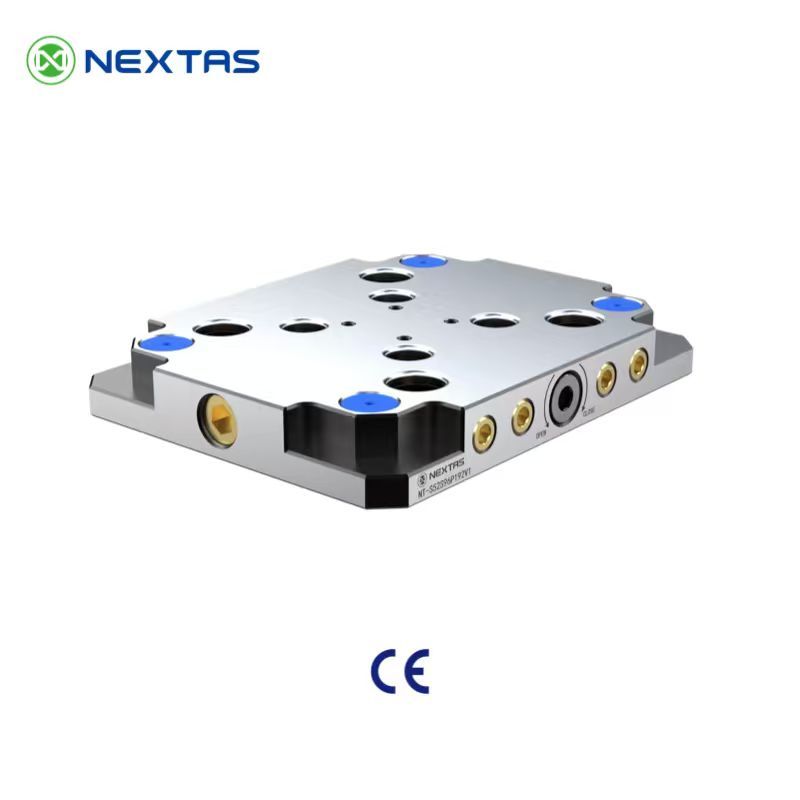
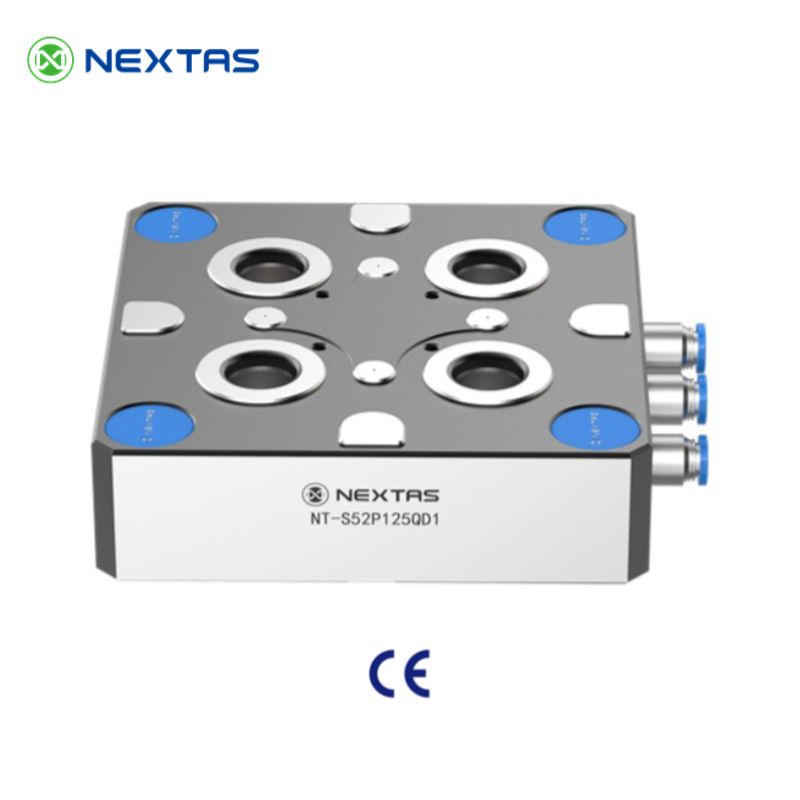
Discover how our high-performance zero-point clamping plates significantly boost your machining efficiency and product quality with repeat positioning accuracy of less than 0.005mm, a clamping force of up to 30KN, and compatibility with international brands like LANG.

Published on July 19, 20255 min read

Compatible with Leading International Brands

One of the standout features of our zero-point quick-change plates is their exceptional compatibility. Available with 52MM and 96MM pull stud hole spacings, they are perfectly designed to work with renowned international brands like LANG. This means you don’t have to overhaul your entire tooling system to enjoy the benefits of our high-quality products. Whether you’re upgrading your current setup or expanding your production line, our quick-change plates fit right in, saving you time and resources.

Industry-Leading Repeat Positioning Accuracy

Precision is non-negotiable in machining, and our zero-point quick-change plates deliver in spades. Boasting a repeat positioning accuracy of less than 0.005mm, they set a new benchmark for excellence in the industry. This ultra-high precision ensures that every time you swap out workpieces or tools, the positioning remains consistent, minimizing errors and reducing scrap rates. Whether you’re working on intricate components or large-scale productions, you can trust our plates to maintain the accuracy your operations demand.

Powerful Clamping Force and Durable Construction

When it comes to machining heavy workpieces, a strong and reliable clamping force is essential. Our zero-point quick-change plates are built to handle the toughest jobs, with a clamping force of up to 30KN. This impressive force ensures that even the heaviest workpieces stay securely in place during machining, preventing slippage and ensuring stable, high-quality results.

We understand that industrial equipment needs to withstand rigorous daily use, which is why our zero-point quick-change plates are built to last. The main body is crafted from high-quality stainless steel that undergoes a specialized hardening process, achieving a hardness of HRC55-58. This exceptional hardness ensures resistance to wear, impact, and corrosion, significantly extending the product’s lifespan.

Superior Surface Treatment and Customizable Bases

To further enhance precision and durability, our zero-point quick-change plates undergo surface hardening and ultra-high-precision grinding. The surface hardening process adds an extra layer of protection, making the plates more resistant to scratches and wear. Meanwhile, the ultra-high-precision grinding ensures a smooth, flat surface that minimizes friction and ensures perfect contact with workpieces and tools.

Every machining setup is unique, which is why we offer customizable bases for our zero-point quick-change plates. Whether you need a specific size, shape, or mounting configuration, our team can tailor the base to meet your exact requirements. This versatility allows our plates to be used across a wide range of machine tools and industries.

Why Choose Our Zero-Point Clamping Plates?

  • Seamless Compatibility: Works with international brands like LANG, thanks to 52MM and 96MM pull stud hole spacings.
  • Unmatched Precision: Repeat positioning accuracy <0.005mm for error-free machining.
  • Powerful Clamping: 30KN clamping force handles heavy workpieces with ease.
  • Exceptional Durability: Stainless steel construction with HRC55-58 hardness for long life.
  • Superior Surface Treatment: Surface hardening and precision grinding for enhanced performance.
  • Customizable Design: Tailored bases for versatile applications across industries.

Comparison, Selection & Cost Guide (Quick Tables)

Use the quick tables below to choose the right workholding setup for jobs like “High-Performance Zero-Point Clamping Plates: Elevate Your Machining Efficiency”. We focus on changeover time, repeatability, automation readiness, and total cost—so you can make a confident choice fast.

Quick comparison: common workholding options

OptionBest forStrengthsWatch-outsTypical changeover
Zero-point system / zero-point clamping plateFrequent part changes, multi-part families, modular setupsFast repeatable locating, scalable, automation-readyNeeds clean interfaces; plan for chip control30–120 sec
Zero Point Clamping Plate + pallet standardsHigh repeatability + fast swaps on fixtures/palletsStable datum, scalable modularity, automation‑readyCleanliness + stud compatibility; plan chip control20–60 sec
Pneumatic viseHigh mix + unattended runs where cycle time mattersStable clamping force, easy automation, consistent loadingAir quality + pressure stability; safety interlocks1–3 min
Self-centering viseSymmetric parts, 5-axis access, quick centeringCenters fast, reduces setup errors, good for 5-axisJaw travel limits; verify part envelope1–5 min
Hydraulic fixtureHigh-volume or high-clamp-force machiningStrong & stable, great for tight tolerancesHigher upfront cost; maintenance & leak checks5–20 min
Custom dedicated fixture / jigOne part, very stable process, repeat productionMax stability, lowest unit cost at scaleSlow to change; redesign needed for new parts10–60 min
Pallet changerParallel setup + spindle utilization gainsSetup off-machine, better OEE, easier lights-outNeeds process discipline + pallet standardsVaries (2–10 min off-machine)
FMS / pallet pool (automation)Many SKUs + long unattended windowsBest throughput + scheduling flexibilityHighest system complexity; needs planningN/A (system-level)

Fast selection: match your scenario

Your scenarioRecommended setupNotes
High‑mix work; target repeatability ≤0.01 mmZero Point Clamping System + standard pallet/stud kitDefine a master datum; add chip covers; get a layout for layout help.
1–10 pcs, frequent changeovers, < 0.02 mm targetsZero-point system + modular baseBuild a “standardized base” and swap top tooling.
10–200 pcs, operator present, mixed geometriesSelf-centering vise or pneumatic vise + soft jawsAdd quick jaw change + pre-set stops.
200+ pcs, high clamp force, stable part familyHydraulic fixture or dedicated fixtureOptimize for cycle time + tool access.
Lights-out / unmanned shift (2–8+ hours)Pneumatic vise + pallet changer or FMSPrioritize sensing, chip evacuation, and fail-safe clamping.

What affects price (and how to control it)

Cost driverWhy it changes priceHow to reduce cost
Pallet/stud standardizationMore pallets/studs costs more upfront but saves changeover timePhase in pallets; reuse patterns across machines.
Repeatability requirement (e.g., ≤0.01 mm)Tighter repeatability needs higher precision interfaces and QCStandardize datums; use proven modules; avoid over-spec.
Changeover frequencyMore swaps reward quick-change systems (ROI grows fast)Measure setup time; prioritize the biggest bottleneck.
Automation level (sensors, interlocks, palletization)Adds hardware + integration timeStart with one cell; reuse components across machines.
Workpiece size & materialLarge/heavy parts need stronger clamping + bigger basesUse modular plates; right-size the fixture footprint.
Engineering time (custom vs modular)Custom design drives NRE costPrefer modular stacks; keep custom parts minimal.

Common mistakes (and quick fixes)

MistakeSymptomFix
Ignoring interface cleanlinessRepeatability drift, random tolerance errorsUse covers + air blast + cleaning routine.
Mixing incompatible studs/palletsHard‑to‑debug positioning errorsLock one standard; document torque & specs.
Skipping chip control on locating surfacesRepeatability drifts; “mystery” setup errorsAdd air blast, covers, and a cleaning routine.
Over-clamping thin partsWarping, chatter, tolerance issuesUse proper jaw support + controlled clamping force.
No standard datum / pallet standardEvery setup becomes a one-offDefine a shop standard (datums, pallet, bolt pattern).
Choosing by lowest price onlyHigher labor cost + downtimeEvaluate total cost: labor, scrap, changeover time.

Want a recommendation for your parts? Send us your machine model, material, and tolerance target — we’ll suggest a practical setup.

Frequently Asked Questions

What's the difference between your 52mm and 96mm pull stud spacing?

The 52mm and 96mm spacings refer to the distance between the clamping studs. This matches international standards, like those set by LANG. The 96mm spacing is typically used for larger base plates and heavier workpieces, offering greater stability, while the 52mm spacing is common for smaller vises and fixtures. Both offer the same <0.005mm repeatability.

How is the 30KN clamping force achieved and is it mechanical?

The clamping force is achieved through a high-precision, spring-actuated mechanical locking system. When engaged, a series of powerful springs apply constant, high pressure to lock the pull studs. This is *not* reliant on pneumatic or hydraulic pressure to *hold* (only to release), ensuring that clamping force is maintained even if air pressure is lost, which is a critical safety feature.

You mention HRC55-58 hardness. Why is this specific range important?

This hardness (HRC55-58), achieved through a specialized stainless steel hardening process, represents the optimal balance between toughness and wear resistance. It's hard enough to resist wear, deformation, and brinelling from the pull studs over millions of cycles, but not so brittle that it risks cracking under sharp impacts or heavy loads, ensuring long-term precision and durability.

Can these plates be used in an automated setup with robots?

Yes, absolutely. These plates are designed for automation. They feature integrated air-blast ports for self-cleaning of the clamping mechanism and reference surfaces, which is essential to clear chips and coolant before a new pallet is loaded by a robot. We also offer options for pneumatic sensing to confirm the "clamped" or "unclamped" state, providing critical feedback to the robot controller.

What maintenance is required for these zero-point plates?

Maintenance is minimal but important for longevity. We recommend a daily visual inspection and cleaning of the reference surfaces. Periodically (e.g., monthly, depending on use), the mechanism should be cleaned and lubricated with a light, acid-free grease as specified in our technical manual. The sealed design protects the internal mechanism from coolant and chips, but regular preventative care ensures decades of flawless operation.

Ready to Elevate Your Machining Quality?

Don't let clamping issues drag down your production efficiency. Choose NextasTech's high-performance zero-point clamping plates and experience the difference top-tier precision can make.

Request a Technical Consultation —
Request a Technical Consultation →