Blog

Unlock CNC Efficiency: The Magic of Manual Pallet Changer System

Discover how a Manual Pallet Changer System can boost your CNC efficiency by over 70%. Learn how it eliminates downtime through simultaneous operations. Read the Zhibo Technology case study.

Published on November 11, 20254 min read

In a typical 8-hour workday, these interruptions can amount to several hours, significantly reducing actual machining time. If setup and clamping are complex, this downtime is even worse. This is the problem the Manual Pallet Changer System was born to solve.

Manual Pallet Changer System: An Overview

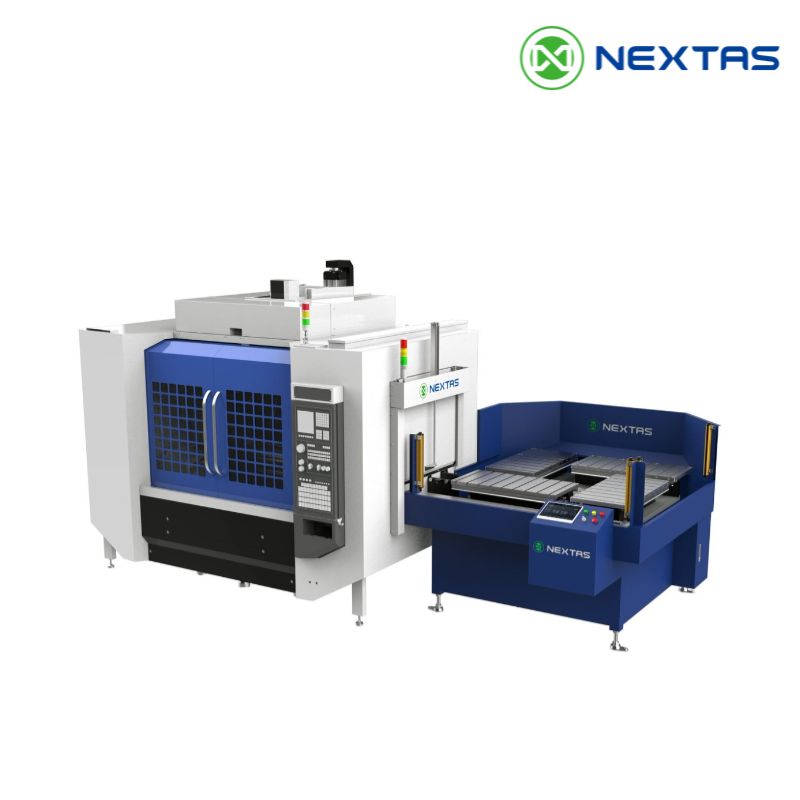
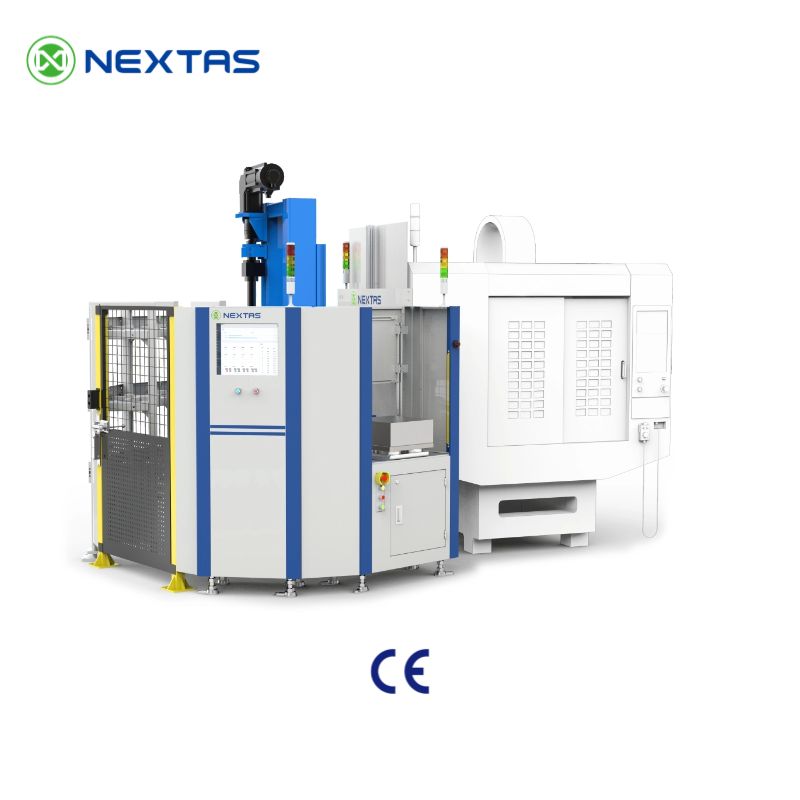
The Manual Pallet Changer System is a game-changing innovation designed to facilitate the seamless and efficient replacement of pallets within a CNC machine. At its core, the system consists of two or more pallets.

When one pallet is inside the CNC machine undergoing machining, the other pallet is positioned outside for workpiece loading, unloading, and setup. This allows for a continuous workflow. Once the in-machine process is complete, the system enables a quick and precise exchange. The used pallet moves out, and the newly-loaded pallet moves in, minimizing downtime between cycles.

How the Manual Pallet Changer System Boosts CNC Efficiency

The system's impact on productivity comes from two primary advantages: enabling parallel operations and simplicity of use.

Simultaneous In-Machine and Out-Machine Operations

The most significant advantage is the ability to perform operations simultaneously. While a workpiece on one pallet is being machined, operators can load, unload, or set up a new workpiece on the other pallet outside the machine. This parallel process completely revolutionizes the traditional, sequential workflow.

In a traditional setup, the machine is idle during workpiece changes. With a Manual Pallet Changer System, this idle time is eliminated. As soon as one job is done, the pallet changer swaps the pallets, and the machining process resumes immediately on the new workpiece.

Easy to Apply

The system is also highly praised for its easy application. It does not require complex training. Even operators with basic CNC knowledge can quickly familiarize themselves with the system. Its control interface is intuitive, with clear instructions. This simplicity reduces the learning curve, saves training time, and minimizes the likelihood of human error during pallet changes.

The Real-World Impact: Shenzhen Zhibo Technology's Success Story

Shenzhen Zhibo Technology, founded in 2016, specializes in precision-engineered components for the electronics, automotive, and aerospace industries. Before adopting the system, their production was hampered by long workpiece change-over times.

The Challenge Before Using the System

The traditional process required the CNC machine to stop for each workpiece replacement. For one high-precision component, this setup time was approximately 8-10 minutes per cycle. With a machining time of 20-25 minutes, this meant nearly one-third of the total production time was spent on non-machining tasks. This idle time created a bottleneck, making it difficult to meet growing customer orders.

The Transformation After Adoption

After implementing the Manual Pallet Changer System, Zhibo Technology witnessed a remarkable transformation. The company experienced an increase in production efficiency of over 70%. The idle time from change-overs was eliminated.

As a result, the daily production output of their high-precision components increased from around 80 pieces to more than 140 pieces. This led to a significant decrease in production costs, with an estimated 30% savings in labor costs related to workpiece handling. Zhibo Technology's success is a testament to the system's effectiveness.

Why Choose a Manual Pallet Changer System?

In summary, the Manual Pallet Changer System offers a plethora of benefits. Its ability to enable simultaneous operations is a game-changer, significantly reducing production time and increasing output. Its ease of application ensures it can be quickly integrated into existing production lines without extensive training.

If your company is struggling with low CNC machining efficiency, long production cycles, or high production costs, it's time to consider this system. By making this investment, you can stay ahead in a competitive industry, meet customer demands, and improve your bottom line.
Comparison, Selection & Cost Guide (Quick Tables)

Use the quick tables below to choose the right workholding setup for jobs like “Unlock CNC Efficiency: The Magic of Manual Pallet Changer System”. We focus on changeover time, repeatability, automation readiness, and total cost—so you can make a confident choice fast.

Quick comparison: common workholding options

OptionBest forStrengthsWatch-outsTypical changeover
Zero-point system / zero-point clamping plateFrequent part changes, multi-part families, modular setupsFast repeatable locating, scalable, automation-readyNeeds clean interfaces; plan for chip control30–120 sec
Pneumatic viseHigh mix + unattended runs where cycle time mattersStable clamping force, easy automation, consistent loadingAir quality + pressure stability; safety interlocks1–3 min
Self-centering viseSymmetric parts, 5-axis access, quick centeringCenters fast, reduces setup errors, good for 5-axisJaw travel limits; verify part envelope1–5 min
Hydraulic fixtureHigh-volume or high-clamp-force machiningStrong & stable, great for tight tolerancesHigher upfront cost; maintenance & leak checks5–20 min
Custom dedicated fixture / jigOne part, very stable process, repeat productionMax stability, lowest unit cost at scaleSlow to change; redesign needed for new parts10–60 min
Pallet changerParallel setup + spindle utilization gainsSetup off-machine, better OEE, easier lights-outNeeds process discipline + pallet standardsVaries (2–10 min off-machine)
Automatic Pallet Changer + Zero Point Clamping SystemParallel setup + long unattended windowsHigher OEE, standardized setups, easier lights‑outNeeds pallet standards + recovery planOff‑machine 2–10 min
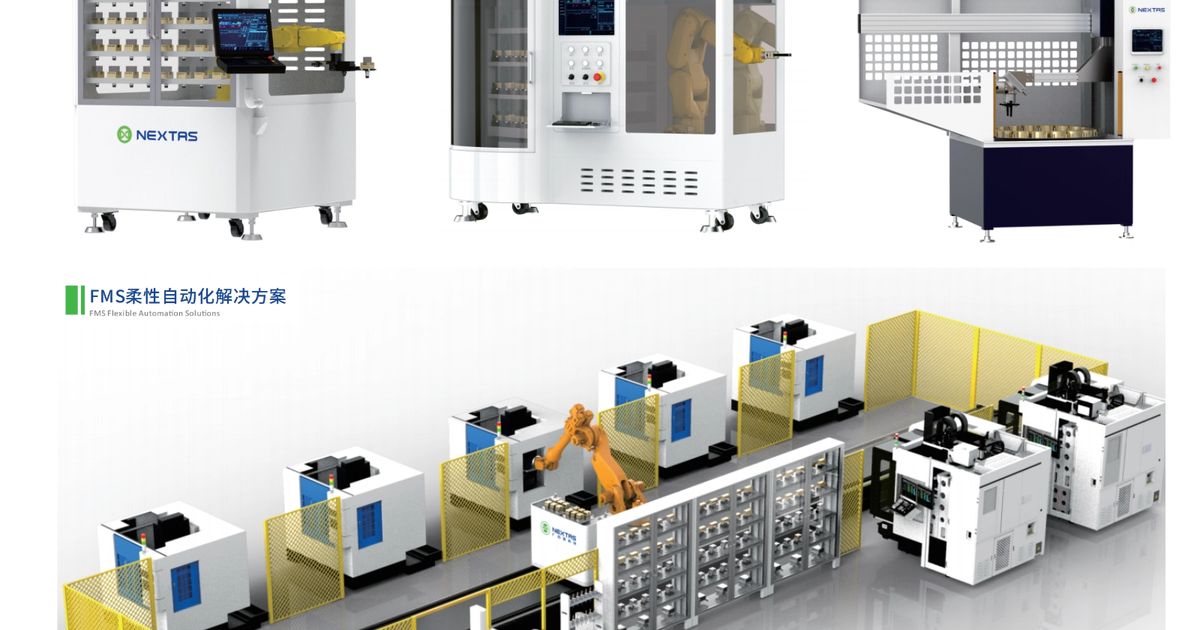
FMS / pallet pool (automation)Many SKUs + long unattended windowsBest throughput + scheduling flexibilityHighest system complexity; needs planningN/A (system-level)

Fast selection: match your scenario

Your scenarioRecommended setupNotes
Target 6–24h unattended machiningAutomatic Pallet Changer + zero‑point palletsAdd tool‑life monitoring + “recover from stop” SOP.
1–10 pcs, frequent changeovers, < 0.02 mm targetsZero-point system + modular baseBuild a “standardized base” and swap top tooling.
10–200 pcs, operator present, mixed geometriesSelf-centering vise or pneumatic vise + soft jawsAdd quick jaw change + pre-set stops.
200+ pcs, high clamp force, stable part familyHydraulic fixture or dedicated fixtureOptimize for cycle time + tool access.
Lights-out / unmanned shift (2–8+ hours)Pneumatic vise + pallet changer or FMSPrioritize sensing, chip evacuation, and fail-safe clamping.

What affects price (and how to control it)

Cost driverWhy it changes priceHow to reduce cost
Integration + safetySensors, interlocks, and commissioning drive total costStart small (2–4 pallets); expand after stable run.
Repeatability requirement (e.g., ≤0.01 mm)Tighter repeatability needs higher precision interfaces and QCStandardize datums; use proven modules; avoid over-spec.
Changeover frequencyMore swaps reward quick-change systems (ROI grows fast)Measure setup time; prioritize the biggest bottleneck.
Automation level (sensors, interlocks, palletization)Adds hardware + integration timeStart with one cell; reuse components across machines.
Workpiece size & materialLarge/heavy parts need stronger clamping + bigger basesUse modular plates; right-size the fixture footprint.
Engineering time (custom vs modular)Custom design drives NRE costPrefer modular stacks; keep custom parts minimal.

Common mistakes (and quick fixes)

MistakeSymptomFix
No recovery strategyCell stops at night; lost hoursDefine alarm flow, spare tools, and restart steps.
Inconsistent pallet standardsSetup errors and crash riskLock one datum/pattern; label and audit pallets.
Skipping chip control on locating surfacesRepeatability drifts; “mystery” setup errorsAdd air blast, covers, and a cleaning routine.
Over-clamping thin partsWarping, chatter, tolerance issuesUse proper jaw support + controlled clamping force.
No standard datum / pallet standardEvery setup becomes a one-offDefine a shop standard (datums, pallet, bolt pattern).
Choosing by lowest price onlyHigher labor cost + downtimeEvaluate total cost: labor, scrap, changeover time.

Want a recommendation for your parts? Send us your machine model, material, and tolerance target — we’ll suggest a practical setup.

Frequently Asked Questions

What is the typical time for a manual pallet exchange?

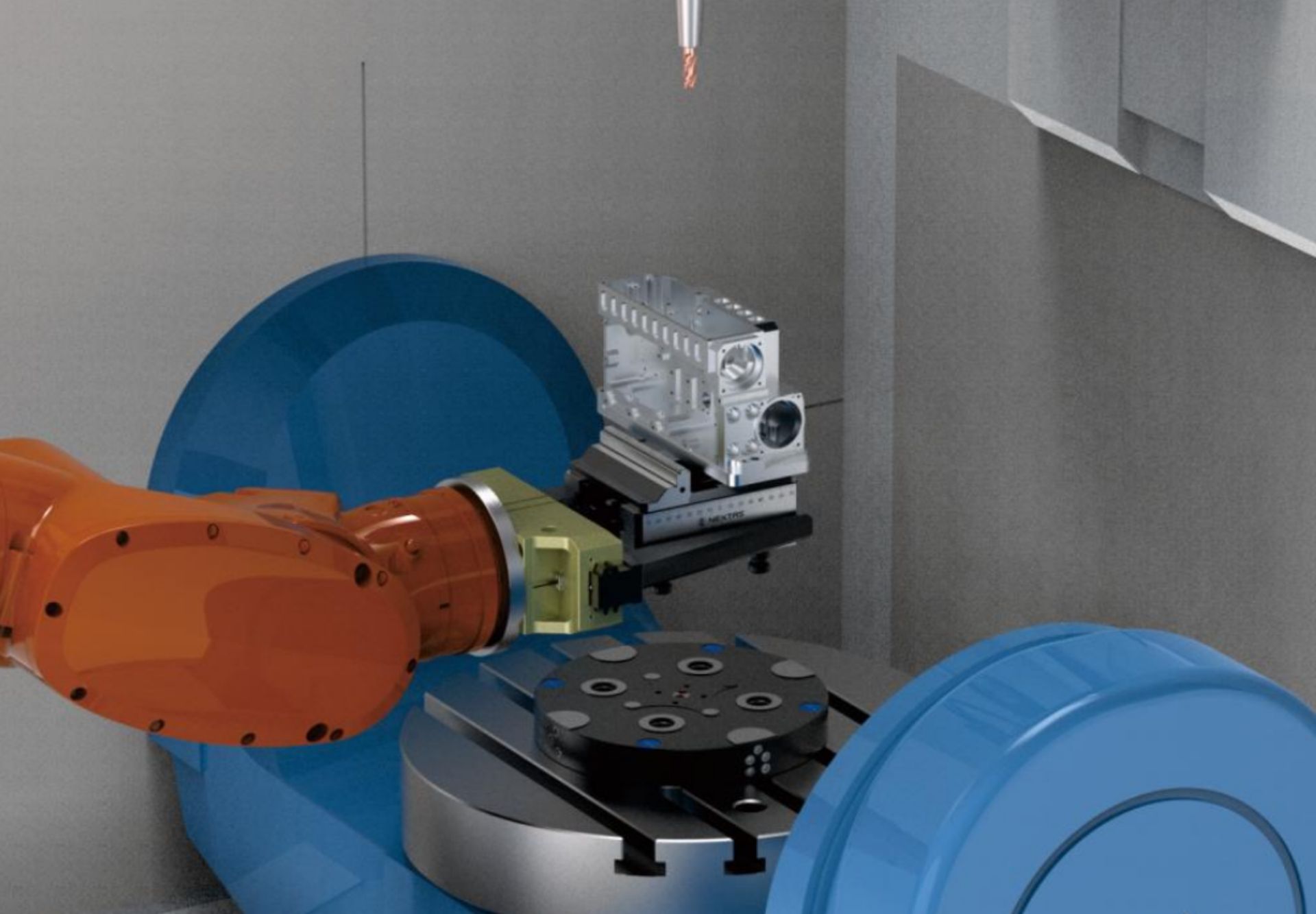
While the machining setup (loading, clamping, aligning the part) on the external pallet might take minutes or more, the physical swap of the pallet itself is extremely fast. A well-designed manual pallet changer, especially one integrated with a zero-point system, allows an operator to unlock, slide out the old pallet, slide in the new one, and lock it in **under 60 seconds**.

Can a manual pallet changer be retrofitted to my existing CNC machine?

Yes, absolutely. That is one of their primary advantages. Most manual pallet changers are designed to be mounted directly onto the existing T-slot table of a 3-axis or 5-axis machining center. They typically consist of a receiver plate (which stays on the machine bed) and the swappable pallets. Installation is straightforward and provides an immediate efficiency upgrade without needing to buy a new machine.

How does this compare to a fully automatic pallet changer (APC)?

A fully automatic (APC) system, often built into the machine, provides "lights-out" capability but comes at a significantly higher cost and complexity. A **manual** system is the perfect bridge solution. It provides 90% of the benefit (eliminating setup downtime) for a fraction of the cost. It's ideal for high-mix, low-volume production where setup times are a major bottleneck, but full automation isn't yet justified.

What ensures the positioning accuracy when swapping pallets?

This is the most critical function. The system relies on a high-precision locating and locking mechanism. Often, this is a **zero-point clamping system (like NextasTech's)**. These systems use precision-ground studs and clamping segments that pull the pallet down onto a flat receiver plate with high force, guaranteeing a repeat positioning accuracy of <0.005mm. This ensures that when a new pallet is loaded, its X, Y, and Z datums are exactly where the machine expects them to be, no re-probing needed.

Ready to Eliminate CNC Downtime?

Stop wasting hours on setup. It's time to upgrade to a Manual Pallet Changer System and see what a 70% efficiency boost looks like for your operations.

Get a Quote Today →
Request a Technical Consultation →