English
 Español
 Français
 Deutsch
 Polski
 Türkçe
 Русский
 简体中文
简体中文
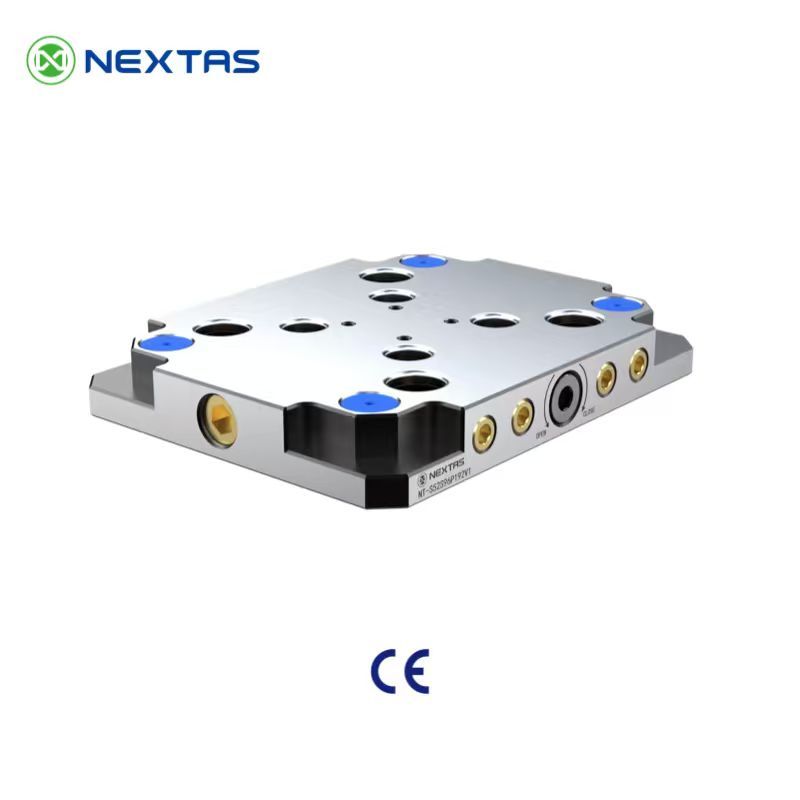
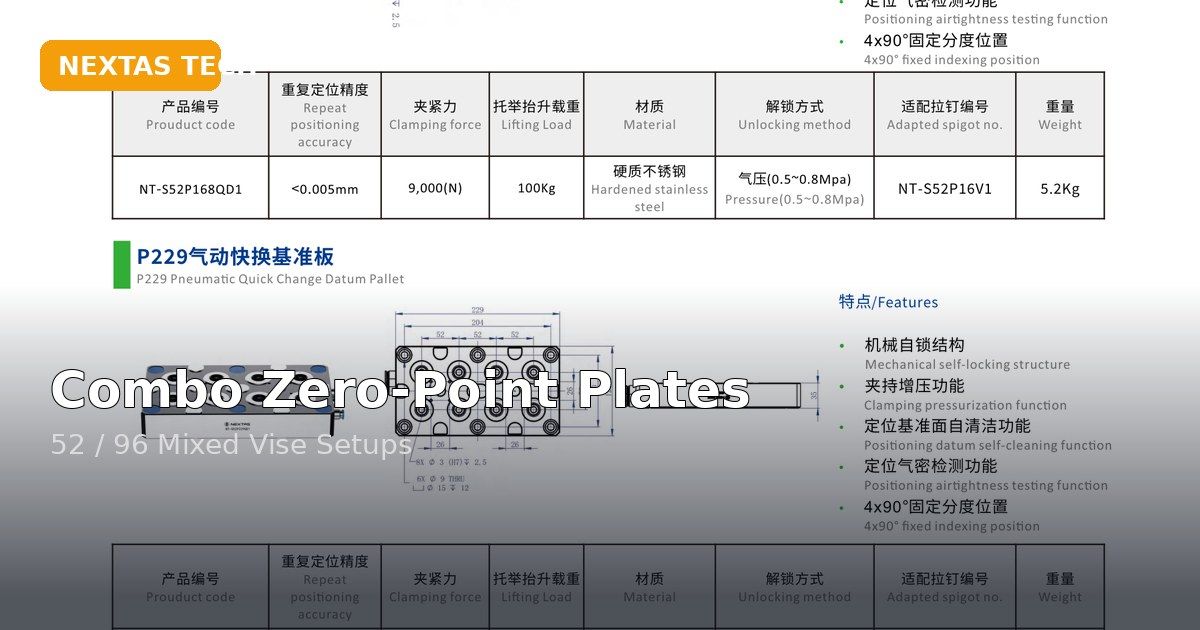
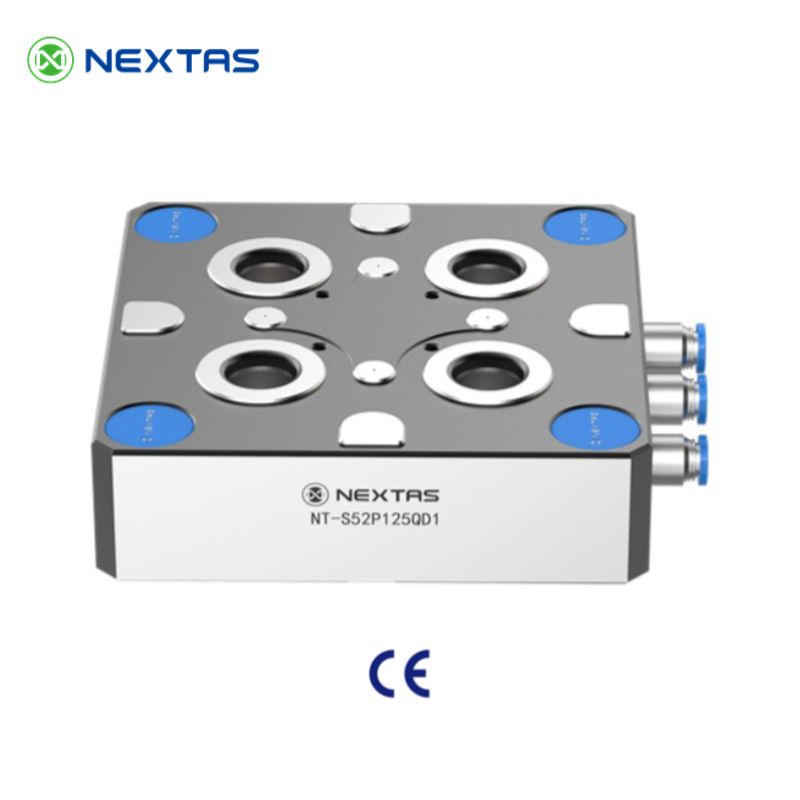
A universal zero-point clamping plate makes sense when you want one repeatable interface for vises, pallets, and custom nests across more than one machine or part family. Instead of treating every fixture as a standalone setup, the plate becomes the common datum that lets you standardize changeovers and reduce repeated alignment work.
That matters most in high-mix production. Shops running VMC, HMC, and 5-axis work often need to switch between self-centering vises, custom fixtures, and palletized jobs within the same week. A common plate architecture shortens setup planning, makes offline preparation easier, and keeps expansion paths open for automation later.
- Best fit: multi-part families, frequent changeovers, and mixed fixture stacks.
- Main value: one interface standard for multiple workholding types.
- Decision focus: plate size, rigidity, hole pattern, and compatibility with future automation.