Blog

5-Axis Self-Centering Vise: What Makes It Ideal for Complex Machining?

Explore why the 5-axis self‑centering vise is indispensable for complex machining. Learn about its symmetric clamping mechanism, modular compatibility and how it eliminates secondary operations to boost precision and productivity.

Published on July 30, 20253 min read
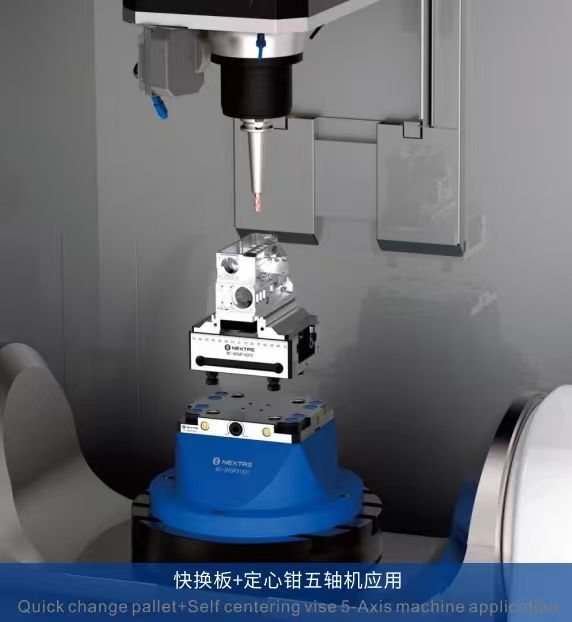
A 5-axis CNC machine equipped with a self-centering vise mounted on a quick-change pallet.
A 5-axis CNC machine equipped with a self‑centering vise mounted on a quick‑change pallet.

Simultaneous Precision and Versatility

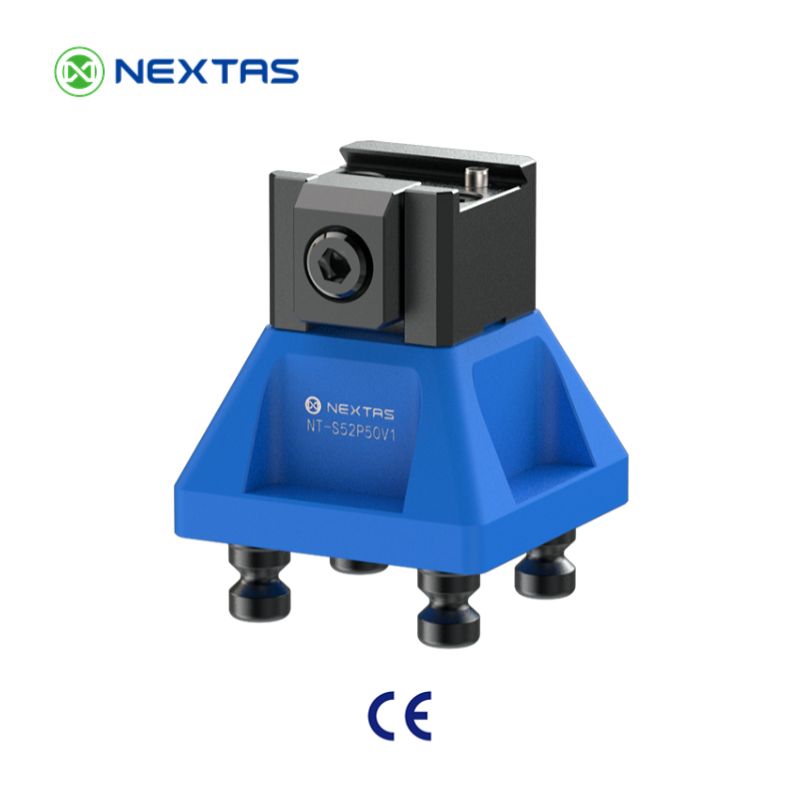
Traditional vises struggle when parts must be rotated across X, Y, Z and rotational axes. A 5‑axis self‑centering vise uses a symmetric clamping mechanism that automatically centers the workpiece and applies equal force from both jaws. Because the workpiece stays perfectly centered as the machine traverses complex tool paths, features like holes, slots and contours line up on every face without the need for secondary setups.

Key Design Features That Drive Performance

  • High‑Strength, Low‑Profile Construction: A compact body maximizes spindle clearance for deep cuts and overhanging features. Hardened steel or aluminum alloys balance rigidity with low mass, reducing vibration during high‑speed machining.
  • Dual‑Jaw Synchronization: Internal gears or cams ensure both jaws move in unison, centering the workpiece with micron‑level accuracy. This eliminates manual alignment and the human errors associated with conventional vises.
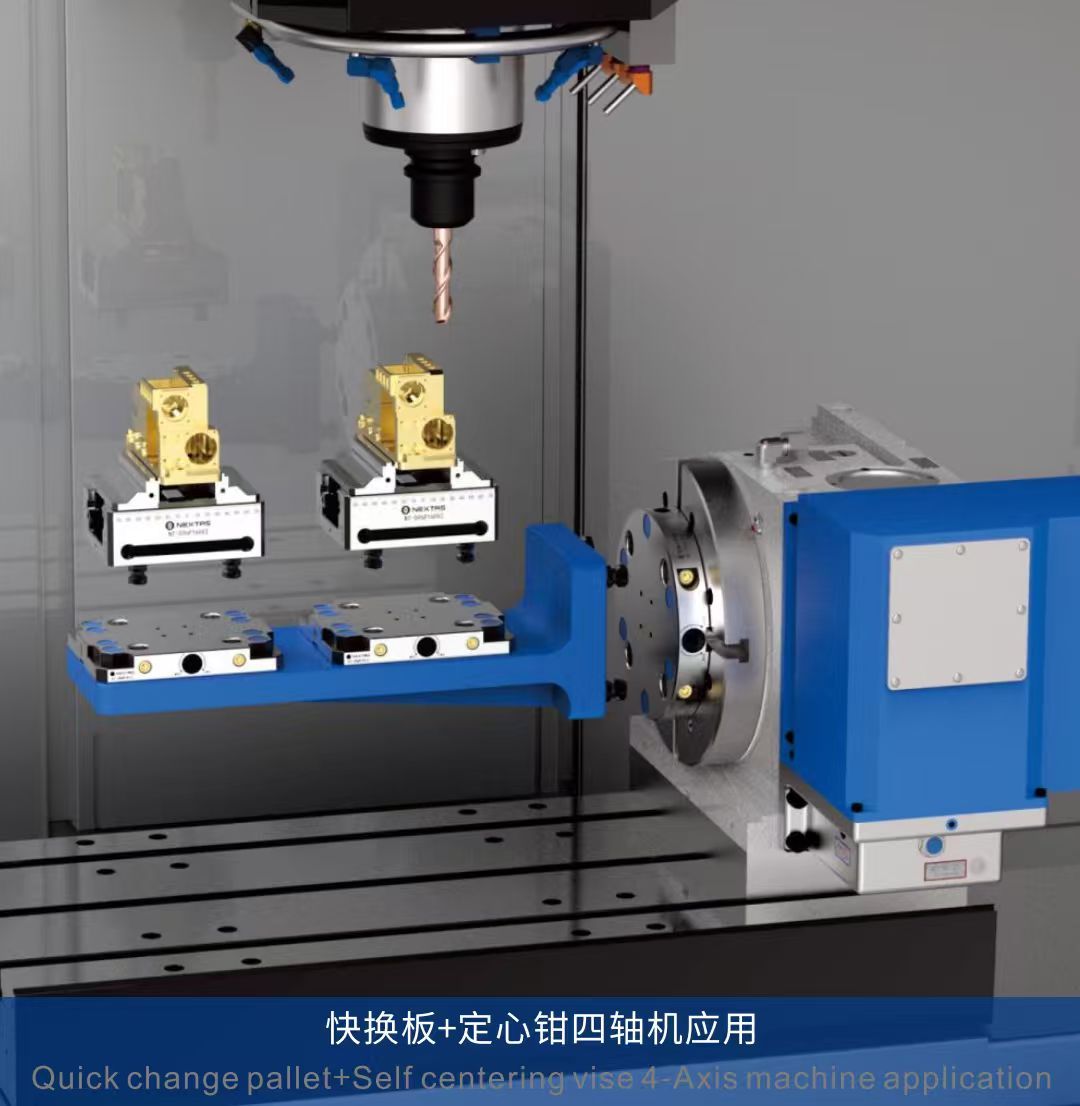
  • Modular Compatibility: Many models integrate with quick‑change base systems, such as zero‑point clamping plates, for rapid job changeovers. The ability to swap fixtures in minutes keeps high‑mix production running smoothly.
  • Adjustable Clamping Force: Whether machining delicate aerospace components or rugged industrial parts, operators can fine‑tune clamp pressure to prevent deformation while maintaining a secure grip.

Why Complex Machining Can’t Afford to Skip It

  • Eliminates Secondary Operations: By giving the spindle full 5‑axis access, all faces of a part can be machined in one setup. This avoids repositioning and reduces cumulative alignment error.
  • Reduces Scrap Rates: Automatic centering drastically lowers the risk of off‑axis errors. Shops adopting 5‑axis self‑centering vises report significantly fewer scrapped parts versus traditional clamping.
  • Boosts Productivity: Quick setup times combined with uninterrupted multi‑axis cutting shorten cycle times. Many manufacturers see double‑digit reductions in per‑part machining time after switching to self‑centering vises.

Choosing the Right 5‑Axis Self‑Centering Vise

Not all vises are created equal. Consider these factors when selecting a model for demanding work:

  • Accuracy Rating: Look for repeatability within ±0.02 mm to meet tight tolerances.
  • Clamping Range: Make sure the vise accommodates your smallest and largest parts—from small 10.0 mm components to larger 320 mm workpieces.
  • Material Compatibility: For high‑temperature alloys such as Inconel, choose jaws and lubricants designed for heat and wear resistance.
  • Certifications: Models compliant with ISO 9001 or aerospace standards like AS 9100 are essential for critical applications.
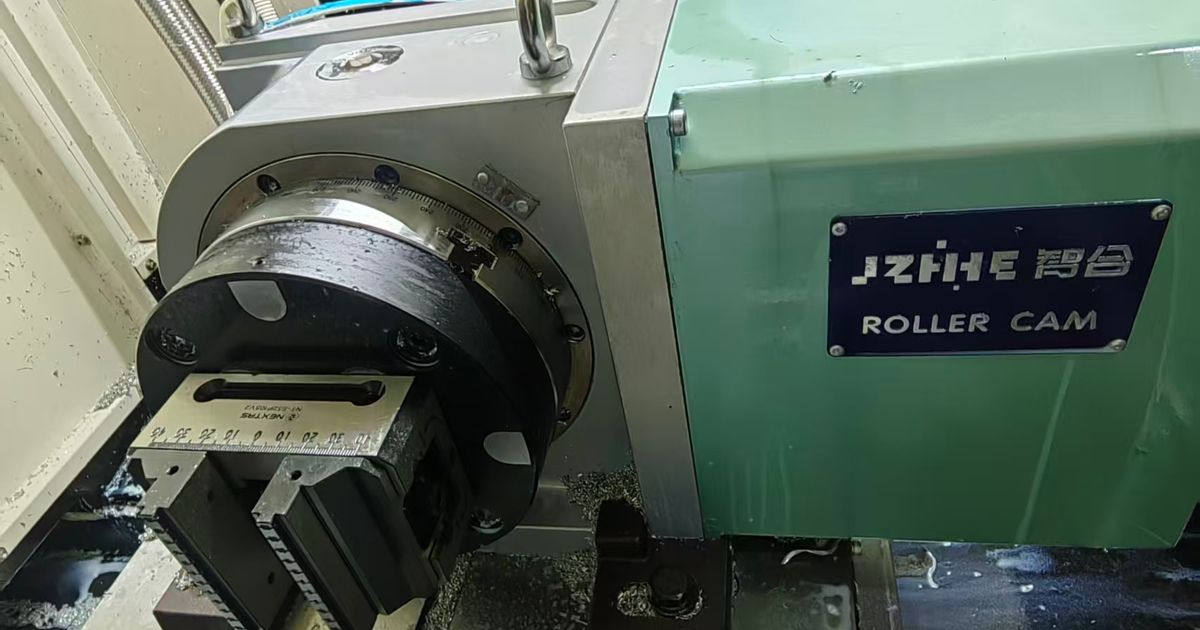
Another view of a 5-axis self-centering vise on a quick-change pallet inside a CNC machining center.
The self‑centering vise allows full multi‑axis access while keeping the workpiece perfectly centered.

Final Thoughts

Complex 5‑axis machining leaves no room for error. A high‑quality self‑centering vise isn’t just a fixture—it’s a precision partner that ensures parts meet specifications, reduces waste and keeps production on schedule. When you’re ready to elevate your machining capability, invest in a vise that delivers symmetric clamping, modular compatibility and micron‑level repeatability.


Comparison, Selection & Cost Guide (Quick Tables)

Use the quick tables below to choose the right workholding setup for jobs like “5-Axis Self-Centering Vise: What Makes It Ideal for Complex Machining?”. We focus on changeover time, repeatability, automation readiness, and total cost—so you can make a confident choice fast.

Quick comparison: common workholding options

OptionBest forStrengthsWatch-outsTypical changeover
Zero-point system / zero-point clamping plateFrequent part changes, multi-part families, modular setupsFast repeatable locating, scalable, automation-readyNeeds clean interfaces; plan for chip control30–120 sec
Pneumatic viseHigh mix + unattended runs where cycle time mattersStable clamping force, easy automation, consistent loadingAir quality + pressure stability; safety interlocks1–3 min
Self-centering viseSymmetric parts, 5-axis access, quick centeringCenters fast, reduces setup errors, good for 5-axisJaw travel limits; verify part envelope1–5 min
Self Centering Vise + Zero Point Clamping System5‑axis access + concentricity‑sensitive partsFast centering, less probing, repeatable swapsCheck jaw travel/collisions; keep datums clean30–90 sec
Hydraulic fixtureHigh-volume or high-clamp-force machiningStrong & stable, great for tight tolerancesHigher upfront cost; maintenance & leak checks5–20 min
Custom dedicated fixture / jigOne part, very stable process, repeat productionMax stability, lowest unit cost at scaleSlow to change; redesign needed for new parts10–60 min
Pallet changerParallel setup + spindle utilization gainsSetup off-machine, better OEE, easier lights-outNeeds process discipline + pallet standardsVaries (2–10 min off-machine)
FMS / pallet pool (automation)Many SKUs + long unattended windowsBest throughput + scheduling flexibilityHighest system complexity; needs planningN/A (system-level)

Fast selection: match your scenario

Your scenarioRecommended setupNotes
Need quick centering on 5‑axis (minimal probing)Self Centering Vise + zero‑point basePreset jaw stop; simulate envelope before cutting.
1–10 pcs, frequent changeovers, < 0.02 mm targetsZero-point system + modular baseBuild a “standardized base” and swap top tooling.
10–200 pcs, operator present, mixed geometriesSelf-centering vise or pneumatic vise + soft jawsAdd quick jaw change + pre-set stops.
200+ pcs, high clamp force, stable part familyHydraulic fixture or dedicated fixtureOptimize for cycle time + tool access.
Lights-out / unmanned shift (2–8+ hours)Pneumatic vise + pallet changer or FMSPrioritize sensing, chip evacuation, and fail-safe clamping.

What affects price (and how to control it)

Cost driverWhy it changes priceHow to reduce cost
Extra jaw sets / soft jawsCustom jaws improve grip, access, and balanceStandardize jaw blanks; reuse proven jaw profiles.
Repeatability requirement (e.g., ≤0.01 mm)Tighter repeatability needs higher precision interfaces and QCStandardize datums; use proven modules; avoid over-spec.
Changeover frequencyMore swaps reward quick-change systems (ROI grows fast)Measure setup time; prioritize the biggest bottleneck.
Automation level (sensors, interlocks, palletization)Adds hardware + integration timeStart with one cell; reuse components across machines.
Workpiece size & materialLarge/heavy parts need stronger clamping + bigger basesUse modular plates; right-size the fixture footprint.
Engineering time (custom vs modular)Custom design drives NRE costPrefer modular stacks; keep custom parts minimal.

Common mistakes (and quick fixes)

MistakeSymptomFix
Over‑tightening thin wallsPart distortion / out‑of‑roundUse step jaws/supports; lower clamp force.
Not checking clearance & jaw travelCollision or limited tool accessVerify envelope; use risers/short jaws.
Skipping chip control on locating surfacesRepeatability drifts; “mystery” setup errorsAdd air blast, covers, and a cleaning routine.
Over-clamping thin partsWarping, chatter, tolerance issuesUse proper jaw support + controlled clamping force.
No standard datum / pallet standardEvery setup becomes a one-offDefine a shop standard (datums, pallet, bolt pattern).
Choosing by lowest price onlyHigher labor cost + downtimeEvaluate total cost: labor, scrap, changeover time.

Want a recommendation for your parts? Send us your machine model, material, and tolerance target — we’ll suggest a practical setup.

Frequently Asked Questions

What is the centering accuracy of the NextasTech 5-axis self-centering vise?

Our 5-axis self-centering vises are engineered for high precision, consistently delivering a centering accuracy of ±0.005mm (5 microns). This precision is crucial for complex, multi-sided parts where tolerances are tight and cumulative error is not acceptable.

How does a self-centering vise improve 5-axis machining efficiency?

It dramatically cuts setup time by automatically positioning the workpiece at the exact programmable center. More importantly, its compact, high-profile design allows the spindle and tool to access all five sides of a part in a single operation. This eliminates the need for costly secondary setups and re-fixturing, which is a major source of error and delay.

Are your 5-axis vises compatible with automation systems?

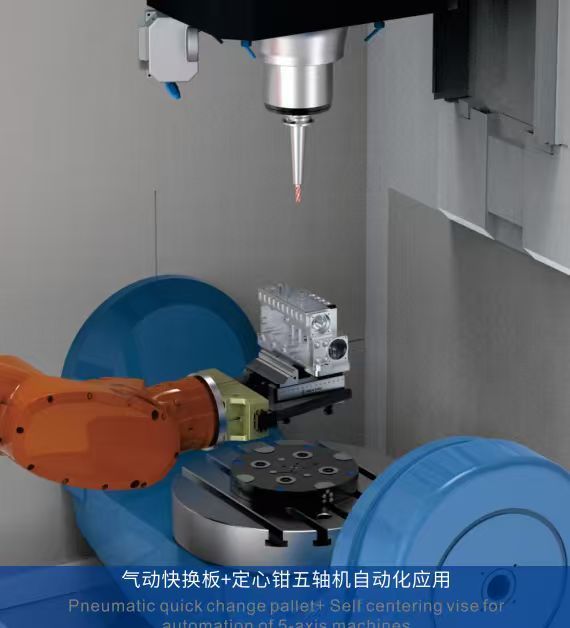
Yes. Our vises are designed for automation. They can be mounted directly on our zero-point quick-change pallets (like the E-Series or R-Series chucks). This allows a robot to swap the entire vise and workpiece assembly in seconds, providing a reliable and repeatable solution for lights-out manufacturing and maximizing machine uptime.

What jaw types are available for gripping different workpiece materials?

We offer a wide variety of interchangeable jaw types to suit your application. This includes hardened serrated jaws for an aggressive grip on raw stock, and machinable soft jaws that can be custom-cut to fit the unique profile of your workpiece. This versatility ensures secure, distortion-free clamping, even for delicate or complex finished parts.

Ready to Transform Your Complex Machining?

Experience the advantages of a 5‑axis self‑centering vise in your own shop. Contact us today for high‑precision workholding solutions that eliminate secondary setups and accelerate production.

Request a Consultation →
Request a Technical Consultation →