Blog

How High‑Precision Pneumatic Vises Power Uninterrupted Automation in Manufacturing

Discover how high‑precision pneumatic vises enable lights‑out manufacturing by delivering consistent clamping, programmable control and seamless integration with robotics for 24/7 automated production.

Published on August 20, 20256 min read
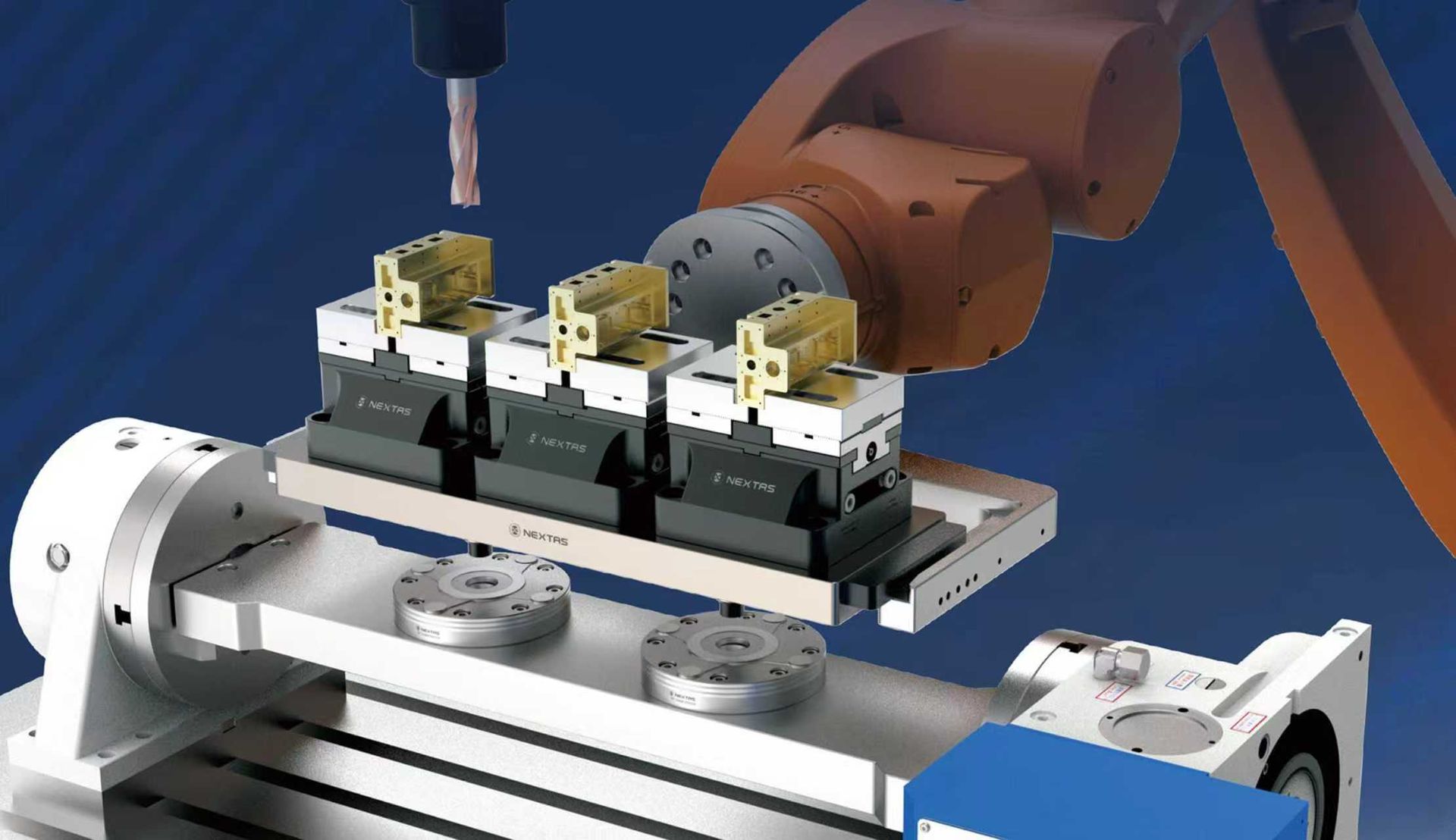
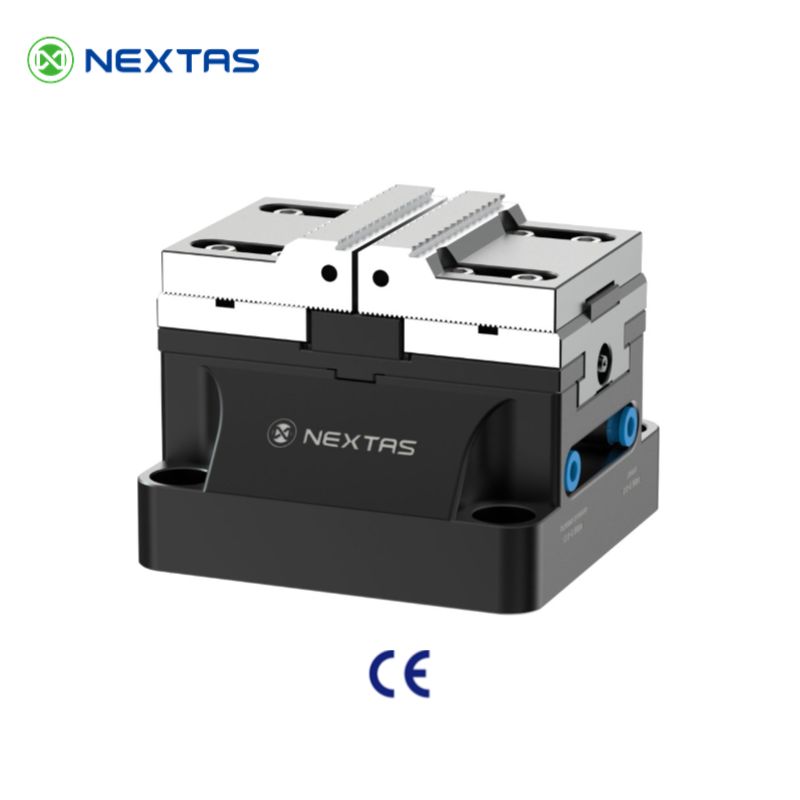
High-precision pneumatic vise with robotic arm in an automated manufacturing cell.
High‑precision pneumatic vise working with a robotic arm in an automated cell.

Pneumatic Performance: The Foundation of Automated Reliability

Unlike manual or hydraulic vises, a high‑precision pneumatic vise relies on compressed air for actuation—delivering consistent, repeatable clamping (often within ±0.005 mm) that’s essential for automated workflows. This pneumatic advantage eliminates human variability: no more over‑tightening that damages delicate medical parts, or under‑clamping that risks slippage during aerospace component machining. The air‑driven design also ensures fast response times—clamping and releasing in seconds—laying the groundwork for rapid changeovers. Pneumatic systems generally have long operating lives and require little maintenance.

Machine Program Control: Syncing with Automated Systems

What truly integrates high‑precision pneumatic vises into modern automation is their ability to be controlled via machine tool programs. CNC machines can send real‑time signals to adjust clamping force, activate safety locks or trigger release—all without manual intervention. For example, in a medical part machining line, the vise automatically tweaks pressure when switching from aluminum to titanium workpieces, ensuring optimal grip without compromising part integrity. This programmability turns “set‑it‑and‑forget‑it?into a reality.

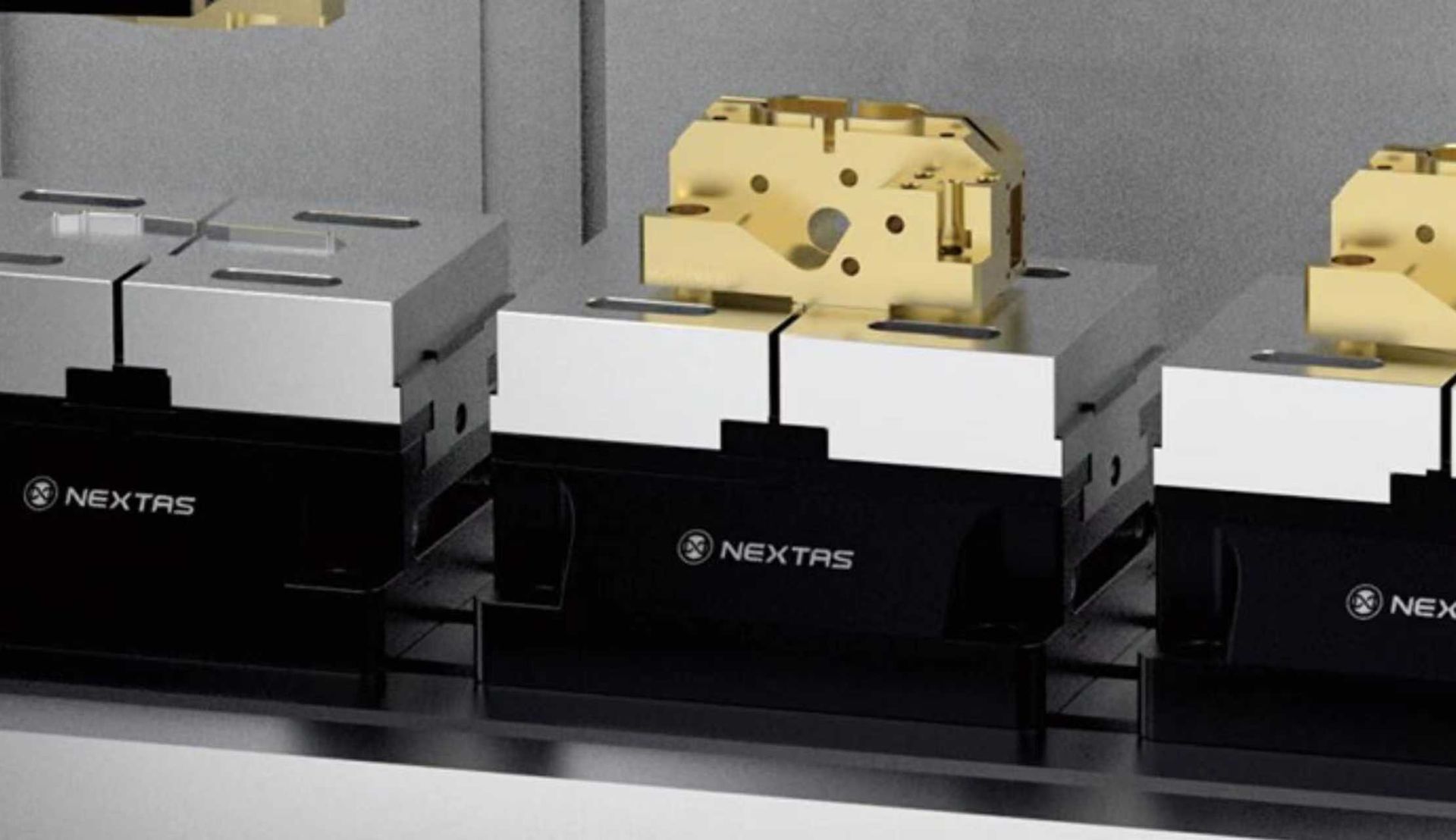
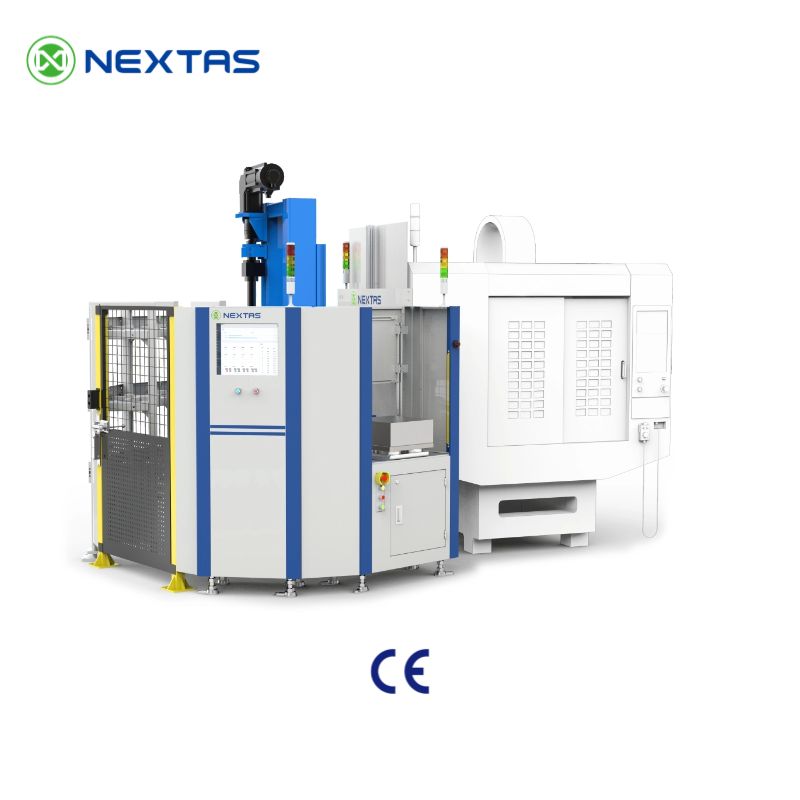
CNC machine equipped with a pneumatic vise and control system.
CNC machine equipped with a pneumatic vise and integrated control system for automated clamping.

Collaboration with Robotic Arms: Streamlining Load‑and‑Clamp Cycles

The magic of automation happens when tools work in harmony—and high‑precision pneumatic vises pair seamlessly with robotic arms. As the robot executes its gripping and placing motions, the vise’s pneumatic actuation syncs perfectly: the robot positions a workpiece, the vise clamps instantly, and once machining ends, it releases just as the robot returns to load the next part. This coordination cuts changeover time by 80% or more compared to manual setups.

Enabling 24/7 Uninterrupted Operation

For manufacturers chasing maximum uptime, the high‑precision pneumatic vise is a game‑changer. Its durable pneumatic components (resistant to wear and debris) and “fail‑safe locked?design ensure it can run round‑the‑clock. In lights‑out factories—where production of goods is fully automated without requiring human labour—CNC machines can run unattended, keeping lines moving even overnight. Lights‑out manufacturing isn’t science fiction; robot‑built robots at Fanuc run unsupervised for weeks, proving that 24/7 automation is achievable.

Why It Matters for Specialized Industries

In aerospace manufacturing, where parts like turbine blades require micron‑level precision, the vise’s consistent clamping prevents misalignment that would ruin expensive materials. In medical part machining, its gentle‑yet‑secure grip protects fragile components like surgical instruments, avoiding costly scrap. For any automated line, it’s not just a clamping tool—it’s a bridge between precision, speed, and uninterrupted productivity.

Conclusion

As automation evolves, the high‑precision pneumatic vise remains a non‑negotiable component for factories aiming to stay competitive. Its pneumatic performance, machine programmability, and robotic compatibility don’t just boost efficiency ?they redefine what’s possible for 24/7, error‑free manufacturing.

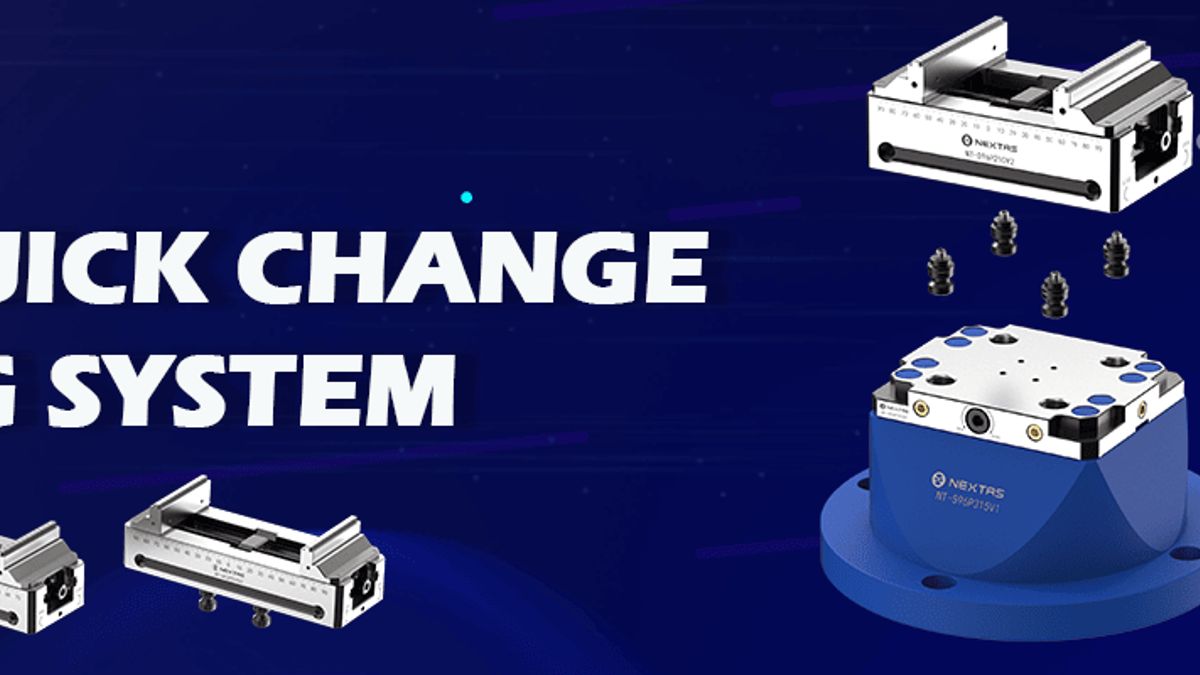
Benefits of high‑precision pneumatic vises for lights‑out manufacturing.

Comparison, Selection & Cost Guide (Quick Tables)

Use the quick tables below to choose the right workholding setup for jobs like “How High‑Precision Pneumatic Vises Power Uninterrupted Automation in Manufacturing”. We focus on changeover time, repeatability, automation readiness, and total cost—so you can make a confident choice fast.

Quick comparison: common workholding options

OptionBest forStrengthsWatch-outsTypical changeover
Zero-point system / zero-point clamping plateFrequent part changes, multi-part families, modular setupsFast repeatable locating, scalable, automation-readyNeeds clean interfaces; plan for chip control30–120 sec
Pneumatic viseHigh mix + unattended runs where cycle time mattersStable clamping force, easy automation, consistent loadingAir quality + pressure stability; safety interlocks1–3 min
Pneumatic Vise + pressure monitoringLights‑out machining with consistent clampingRepeatable force, easy automation, stable loadingAir quality/pressure stability; add safety interlocks1–3 min
Self-centering viseSymmetric parts, 5-axis access, quick centeringCenters fast, reduces setup errors, good for 5-axisJaw travel limits; verify part envelope1–5 min
Hydraulic fixtureHigh-volume or high-clamp-force machiningStrong & stable, great for tight tolerancesHigher upfront cost; maintenance & leak checks5–20 min
Custom dedicated fixture / jigOne part, very stable process, repeat productionMax stability, lowest unit cost at scaleSlow to change; redesign needed for new parts10–60 min
Pallet changerParallel setup + spindle utilization gainsSetup off-machine, better OEE, easier lights-outNeeds process discipline + pallet standardsVaries (2–10 min off-machine)
FMS / pallet pool (automation)Many SKUs + long unattended windowsBest throughput + scheduling flexibilityHighest system complexity; needs planningN/A (system-level)

Fast selection: match your scenario

Your scenarioRecommended setupNotes
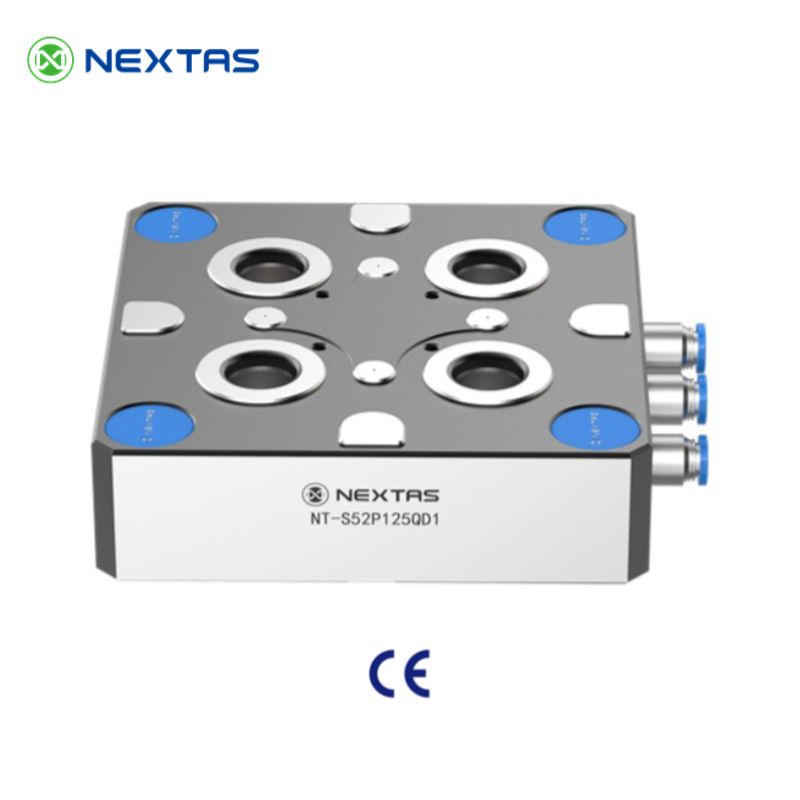
Unattended runs + short cycles (high mix)Pneumatic Vise + Pneumatic Zero Point PlateUse FRL + dryer; add “air‑low” alarm & dump valve.
1–10 pcs, frequent changeovers, < 0.02 mm targetsZero-point system + modular baseBuild a “standardized base” and swap top tooling.
10–200 pcs, operator present, mixed geometriesSelf-centering vise or pneumatic vise + soft jawsAdd quick jaw change + pre-set stops.
200+ pcs, high clamp force, stable part familyHydraulic fixture or dedicated fixtureOptimize for cycle time + tool access.
Lights-out / unmanned shift (2–8+ hours)Pneumatic vise + pallet changer or FMSPrioritize sensing, chip evacuation, and fail-safe clamping.

What affects price (and how to control it)

Cost driverWhy it changes priceHow to reduce cost
Air prep + sensorsDry/clean air and monitoring prevent scrap & downtimeUse a shared FRL station; start with basic pressure switch.
Repeatability requirement (e.g., ≤0.01 mm)Tighter repeatability needs higher precision interfaces and QCStandardize datums; use proven modules; avoid over-spec.
Changeover frequencyMore swaps reward quick-change systems (ROI grows fast)Measure setup time; prioritize the biggest bottleneck.
Automation level (sensors, interlocks, palletization)Adds hardware + integration timeStart with one cell; reuse components across machines.
Workpiece size & materialLarge/heavy parts need stronger clamping + bigger basesUse modular plates; right-size the fixture footprint.
Engineering time (custom vs modular)Custom design drives NRE costPrefer modular stacks; keep custom parts minimal.

Common mistakes (and quick fixes)

MistakeSymptomFix
Running with wet/dirty airForce drift, sticking, inconsistent clampAdd filter/dryer; schedule drain checks.
No pressure monitoringRandom scrap during nights/weekendsInstall pressure switch + interlock the cycle.
Skipping chip control on locating surfacesRepeatability drifts; “mystery” setup errorsAdd air blast, covers, and a cleaning routine.
Over-clamping thin partsWarping, chatter, tolerance issuesUse proper jaw support + controlled clamping force.
No standard datum / pallet standardEvery setup becomes a one-offDefine a shop standard (datums, pallet, bolt pattern).
Choosing by lowest price onlyHigher labor cost + downtimeEvaluate total cost: labor, scrap, changeover time.

Want a recommendation for your parts? Send us your machine model, material, and tolerance target — we’ll suggest a practical setup.

Frequently Asked Questions

What is the repeatability of your zero-point systems?

We guarantee a repeatability of ±0.002 mm. All products are verified on certified CMM equipment before shipment to ensure consistent quality for every part.

What materials are your core components made from and what is their hardness?

Our core components, such as clamping pins and receivers, are crafted from high-hardenability alloy steel. They undergo a proprietary heat treatment process to achieve a surface hardness of HRC 58-62, ensuring exceptional wear resistance and long-term stability.

How does the self-cleaning function work in your automation chucks?

Our automation chucks feature integrated air-blast channels. During the un-clamping sequence, a high-pressure air blast is directed at the mating surfaces (tapered pins and receivers) to clear away chips, coolant, and other debris. This ensures a clean and precise connection for the next pallet, which is critical for maintaining repeatability in automated cells.

Do you offer customized workholding solutions for unique applications?

Absolutely. While we offer a comprehensive standard product line, our engineering team specializes in developing custom solutions. We can design and manufacture bespoke fixtures, pallets, and clamping systems tailored to your specific workpiece geometry, machine specifications, and production goals. Contact us to discuss your project.

For 5-axis machining of thin-walled or delicate parts, what workholding do you recommend?

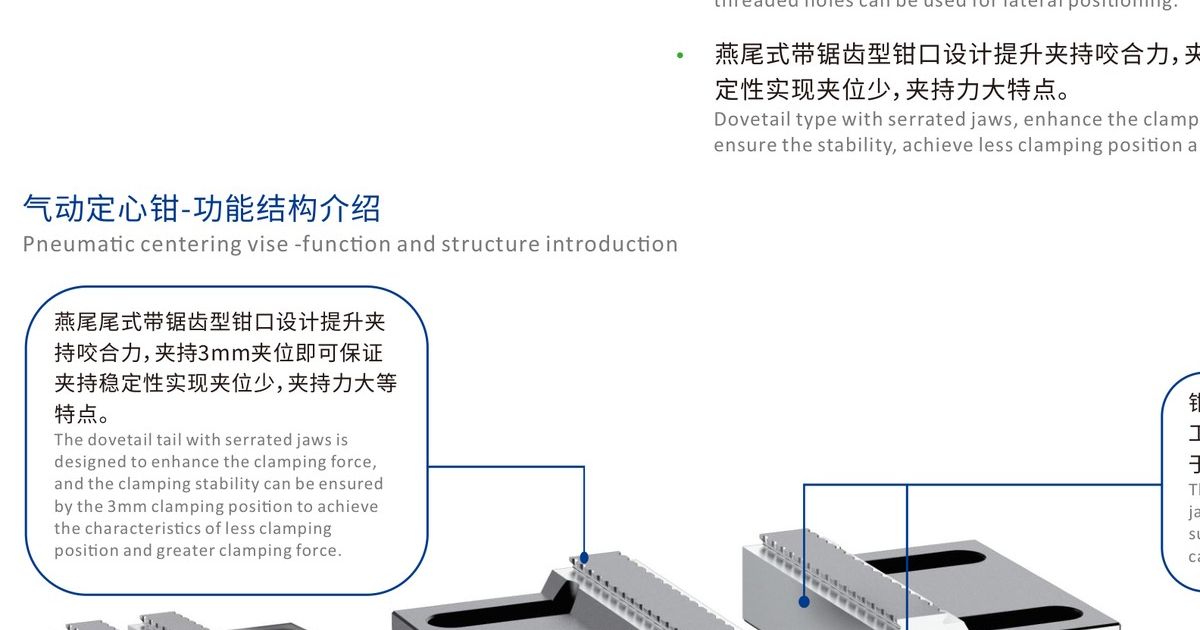
For delicate or thin-walled components where distortion is a concern, we highly recommend our Dovetail Fixtures. They provide exceptional clamping force with minimal material engagement (e.g., a 3mm dovetail) on the raw stock. This low-profile clamping allows for maximum tool access (5-side machining) while applying clamping forces in a direction that minimizes part deformation, ensuring high precision and stability.

How does your Self-Centering Vise maintain accuracy over time?

Our self-centering vises achieve high precision (centering accuracy of ±0.005mm) through a hardened and precision-ground leadscrew and nut system. More importantly, they feature an adjustable backlash-free nut design. This allows for compensation of any potential wear over years of use, enabling the vise to be recalibrated back to its original high accuracy, ensuring a long and precise service life.

What is the typical clamping force of a high-precision pneumatic vise, and is it adjustable?

Our high-precision pneumatic vises are engineered to provide substantial clamping force, often ranging from 2,500N to over 6,000N, depending on the model and input air pressure. A key feature for automation is that this force is highly adjustable and repeatable. By regulating the input air pressure (e.g., from 5 to 7 bar), you can precisely control the clamping force, making it ideal for holding delicate parts without distortion or securing heavy blocks for aggressive machining.

How do NextasTech pneumatic vises ensure reliability in harsh, high-debris machining environments?

Our vises are designed from the ground up for automated environments, which are often filled with chips and coolant. They feature a fully sealed design to protect the internal leadscrew and pneumatic components. Additionally, they incorporate a positive air pressure system that continuously flushes the internal mechanism, preventing any ingress of contaminants. This robust, sealed-and-purged design is fundamental to ensuring long-term reliability and maintaining precision with minimal maintenance.

Can your pneumatic vises be integrated with any CNC machine or robot controller?

Yes, integration is a core part of their design. Our pneumatic vises operate using standard pneumatic solenoid valves, which can be controlled by a simple M-code signal from any CNC machine's controller. For robotics, the same solenoid can be triggered by the robot controller's I/O, allowing for seamless handshaking. We also offer optional sensor feedback to confirm the 'clamped' or 'unclamped' state, providing a closed-loop signal for safe, fully-automated 'load-and-go' operation.

Ready to Automate with High‑Precision Pneumatic Vises?

Talk to our experts about high‑precision pneumatic vise solutions—engineered to deliver consistent clamping, fast changeovers and seamless integration with CNC and robotics.

Request a Technical Consultation →